- Home
- Posts
- How to Write Newsletters Like a Pro
How to Write Newsletters Like a Pro
Actionable tips to streamline your writing process and unlock creativity

Tony Varghese
November 11th, 2024
Table of Contents
Summary
Poorly written email content is one of the major reasons why your emails aren't converting into sales or getting any engagements.
But you're in luck!
In a recent webinar hosted by EJ White, Head of Growth at beehiiv with Francis Zierer, Editor of beehiiv’s Creator Spotlight, as a special guest, they shared high-level insights into how to write newsletters like a pro.
This article summarizes key takeaways and strategies that will help you write emails that connect with people and help build a stronger community.
Understanding Your Audience

The first step to writing effective newsletters is understanding your audience. If you can identify who you are writing for, your content will be clearer and more impactful.
Before you write the first letter in your email, you need to:
Create a detailed user persona of your audience: A simple strategy is to visualize who you are writing to; give them a name; how do they dress? How do they look? How do they speak? This way you can focus on an "audience of one" rather than trying to please multiple personas.
Consider demographics: A person's age, gender, income, or occupation can deeply influence their buying decisions or what they'll resonate with. 58-year-old Bob who works in finance would likely not be interested in reading newsletters about TikTok.
Interests, and challenges: Ask yourself, what topics are my audience passionate about? What kind of content do they consume regularly? What are their hobbies and interests? What are their goals and aspirations?
Having this info allows you to tailor your content that resonates with your readers and caters to their specific needs ultimately driving higher engagement.
Developing a Consistent Voice and Tone

Consistency in voice and tone is crucial for building a relationship with your audience. A well-defined content style builds familiarity, making readers more likely to return to read your content.
People like consistency, in romance or newsletters, it doesn't matter whether your newsletter is personal or formal, maintaining a consistent tone helps to set expectations and reinforces your brand identity because readers trust you to always deliver.
One of the best ways to maintain consistency in tone and voice is by creating a content style guide, this can be beneficial, especially for teams, as it ensures that all content adheres to the established voice and tone.
We also use a content guide for our writing team at beehiiv— it works!
Mastering the Hook

The hook or headline is one of the most critical elements of your newsletter, as it could make or break an important metric in your newsletter, I.e open rates.
If your open rate is low, engagement and conversions will plummet as your email evidently does not appear interesting enough to your target audience.
A compelling opening grabs attention and encourages readers to continue reading. This can be achieved through power words, intriguing questions, or bold statements that evoke curiosity.
A/B testing different headlines and hooks can provide insight into what resonates best with your audience, allowing you to refine your approach further.
Structuring Your Content for Readability
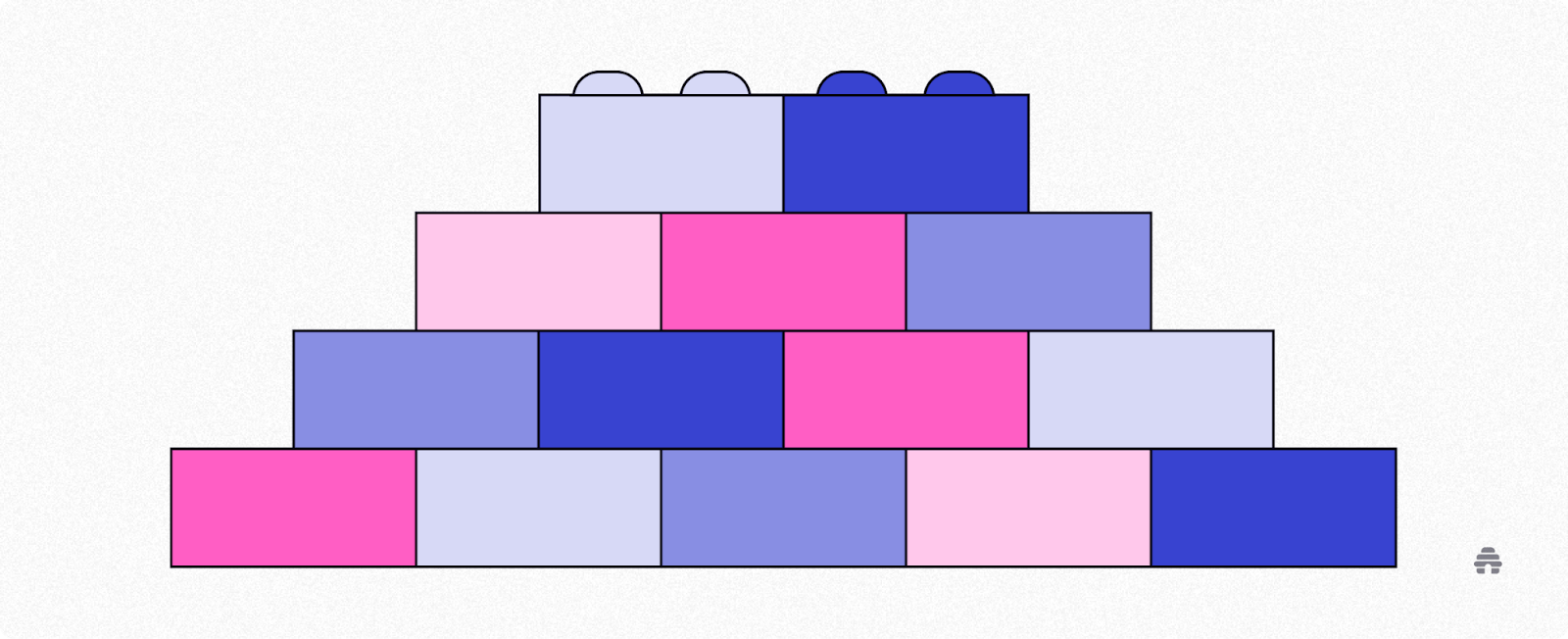
Effective structure enhances readability and keeps subscribers engaged, just like this webinar summary you’re reading currently.
Utilizing varying paragraph lengths and sentence structures creates a rhythm that facilitates easier comprehension.
Keep each paragraph to a minimum of 3 sentences max and incorporate visual elements like:
Headers
Lists
Block quotes
just like the one below
"Clear and concise writing is not just a matter of using simple language, but also of using a clear and logical structure." - William Zinsser.
This can break up text and make the content more digestible.
The Power of Storytelling

Storytelling is a powerful tool in newsletter writing— or any type of writing for that matter. It transforms dry facts into relatable narratives while building emotional connections with readers.
When you share anecdotes and personal experiences, you engage your audience on a deeper level, they feel like they're talking to a real person and this breeds familiarity and improves engagement.
Structuring your content around narratives not only captures interest but also makes information memorable, giving readers a sense of community that encourages them to return for more.
Editing for Clarity and Impact
A thorough review ensures clarity and precision, removing unnecessary words and repetitive phrases. Techniques like reading aloud or using editing tools like Grammarly or Hemingway can help catch awkward phrasing and improve overall flow.
Another effective way to refine your editing process is by involving others—whether through peer feedback or AI tools like Google Gemini. This collaborative approach can offer fresh perspectives and significantly elevate the overall quality of your work.
For example, this summary you’re reading at the moment, short as it may seem, had to go through two rounds of Quality Assurance with our editors before it got published.
Conclusion
Following these key principles, you can create newsletters that effectively engage and resonate with your audience, driving interest, action, and conversion.
Next Steps
Sign up to beehiiv if you haven't already
Set up your newsletter using this walk-through guide
Follow the steps in this summary to write emails that convert for your newsletter.
Resources in the Webinar 📚
Timestamps
Getting Started 👇
Q&A Session 🙋♂️
41:17 - How do you think about A/B testing as a framework around content?
42:47 - How does AI fit into your writing workflows?
44:34 - How do you know how long your newsletters should be?
46:24 - How to create a "View More on Web" section in a newsletter
47:03 - Join our Slack community
47:44 - Closing remarks

Related Articles


The one place to build.
Get beehiiv updates delivered directly to your inbox.
By subscribing you agree to our Privacy Policy and provide consent to receive updates from our company.