- Home
- Posts
- Lemon Squeezy Alternatives: Best & Worst Options (2026)
Lemon Squeezy Alternatives: Best & Worst Options (2026)
A Practical Evaluation of Lemon Squeezy Alternatives

Nicola Vaughan
April 07, 2026

What if one of the best Lemon Squeezy alternatives gave you more predictable payouts without increasing compliance risk?
Lemon Squeezy is a SaaS Commerce platform that businesses use to sell digital products and subscriptions to their customer base. While many people find it useful, there are alternatives out there that enable founders to achieve the following goals more easily:
Getting paid on time
Staying compliant globally
Avoid payment operations from becoming a distraction
I’ve heard these concerns voiced by many a software founder. When they find the best Lemon Squeezy alternative for their brand, they regain a sense of ownership over their revenue and their confidence improves.
Most modern competitors now support importing products, subscriptions, and customer data, allowing you to quickly transition without needing to spend too much time or effort doing so.
This guide is designed to break down the best and worst Lemon Squeezy alternatives in 2026 so that you can find the best setup for your business. You’ll learn the top (and worst) Lemon Squeezy competitors, how to switch efficiently, plus an understanding of why founders look for an alternative to Lemon Squeezy in the first place.
Table of Contents
Quick Verdict: Best and Worst Lemon Squeezy Alternatives
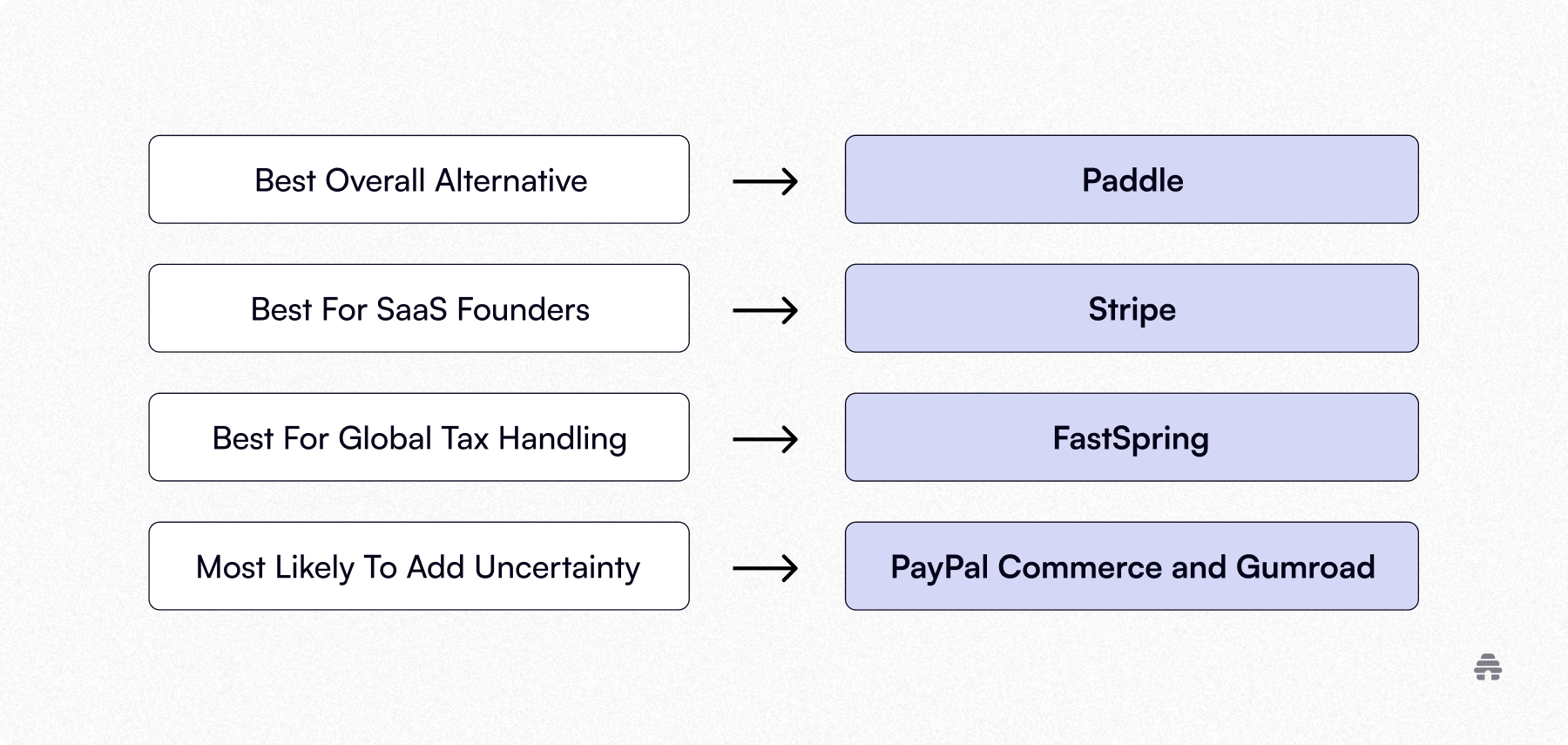
The best and worst Lemon Squeezy alternatives vary by business type and what you’re looking to achieve.
Here’s a quick look at these alternatives if you want a brief overview:
Best Overall Alternative: Paddle
Offers the best balance of compliance coverage, SaaS tooling, and reliable payouts.
Best for SaaS Founders: Stripe (with tax tools)
Offers maximum control and customization if you’re willing to manage the compliance side of things.
Best for Global Tax Handling: FastSpring
Provides excellent international VAT and sales tax coverage.
Most Likely To Add Uncertainty: PayPal Commerce and Gumroad
Low barrier to entry, but gives limited control, higher dispute risk, and weaker subscription tooling.
Why Founders Look for Lemon Squeezy Alternatives
Most founders don’t wake up one day and want to change payment systems. This is a gradual shift that happens after friction has built up over a period of time.
Common triggers for looking at Lemon Squeezy alternatives include:
Payout Delays: Unexpected reserve periods, rolling holds, or review processes that make access to cash slower.
Limited Support: Support can take days to respond, and when payment issues are urgent, this can make founders feel frustrated.
Fee Opacity: Processing, tax handling, and platform fees are often bundled together, making it difficult for businesses to transparently understand their costs.
Reduced Ownership: If a Merchant of Record platform legally ‘owns’ customer data, this can affect refunds, data access, and long-term valuation.
These pain points can push founders to look at other platforms that may reduce these problems and give them more control over their customer relationships.
Some founders are also building owned audiences through platforms like beehiiv, combining their online newsletters with an external payment infrastructure.
How I Evaluated These Lemon Squeezy Alternatives
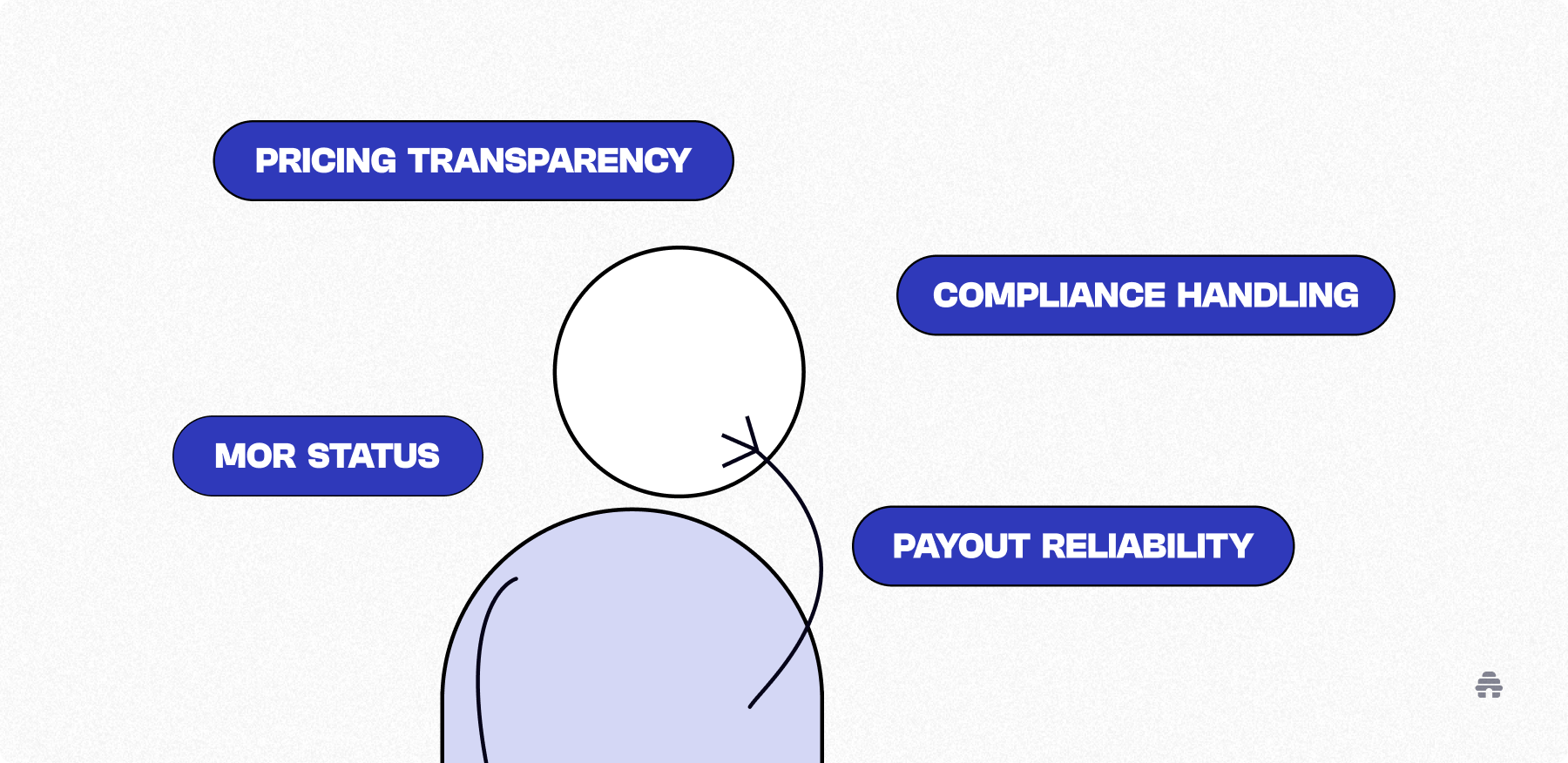
To compare Lemon Squeezy alternatives effectively, I focused on four primary areas:
Merchant of Record (MoR) Status: Does the platform act as the legal seller, handling taxes and liability, or is the brand responsible?
Compliance Handling: How well does the provider manage VAT, GST, sales tax, and digital goods regulations?
Pricing Transparency: Are fees predictable and transparent?
Payout Reliability: Are funds held or delayed, and are payment schedules consistent?
I also considered secondary factors such as API quality, subscription tools, and reporting depth.
Lemon Squeezy Alternatives Comparison Table
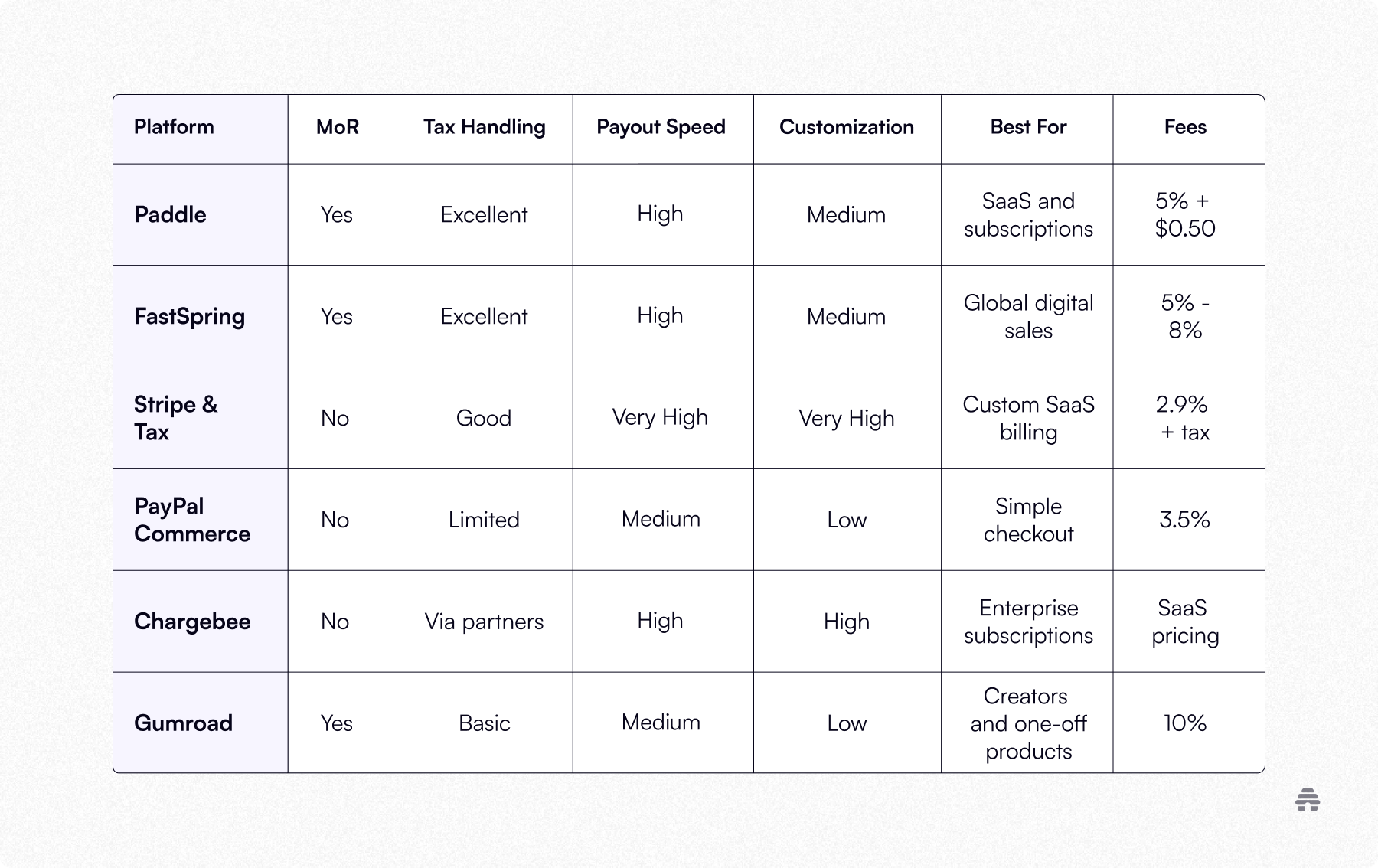
Best Lemon Squeezy Alternatives in 2026
Paddle
Best for: SaaS and subscription-based businesses that are looking for low compliance overheads.
Strengths:
Full Merchant of Record model
Handles VAT/GST globally
Strong subscription management
Reliable monthly payouts
Tradeoffs:
High headline fees
Less pricing flexibility
Limited checkout customization options
Paddle is the closest replacement for Lemon Squeezy, if you’re looking for a like-for-like alternative. If you prefer simplicity over margins, it’s a safe choice for your transition to a more reliable system.

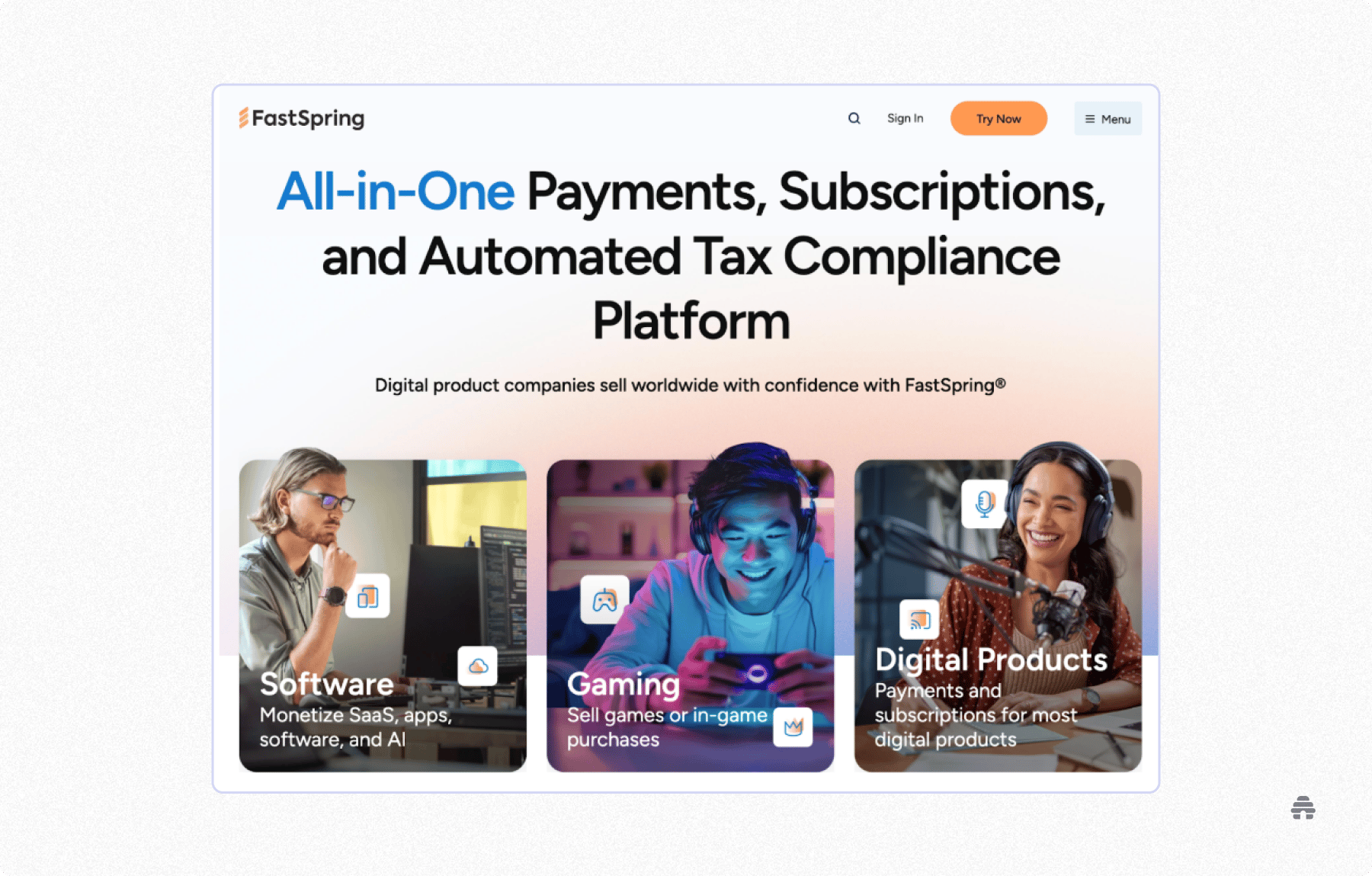
FastSpring
Best for: Global digital product selling and software downloads.
Strengths:
Good international tax coverage
Localized checkout experience
Multi-currency
Fraud protection
Tradeoffs:
Older interface
Less developer-friendly
Slower product iteration
FastSpring is a good choice if you have an international audience, and tax complexity is a big concern.
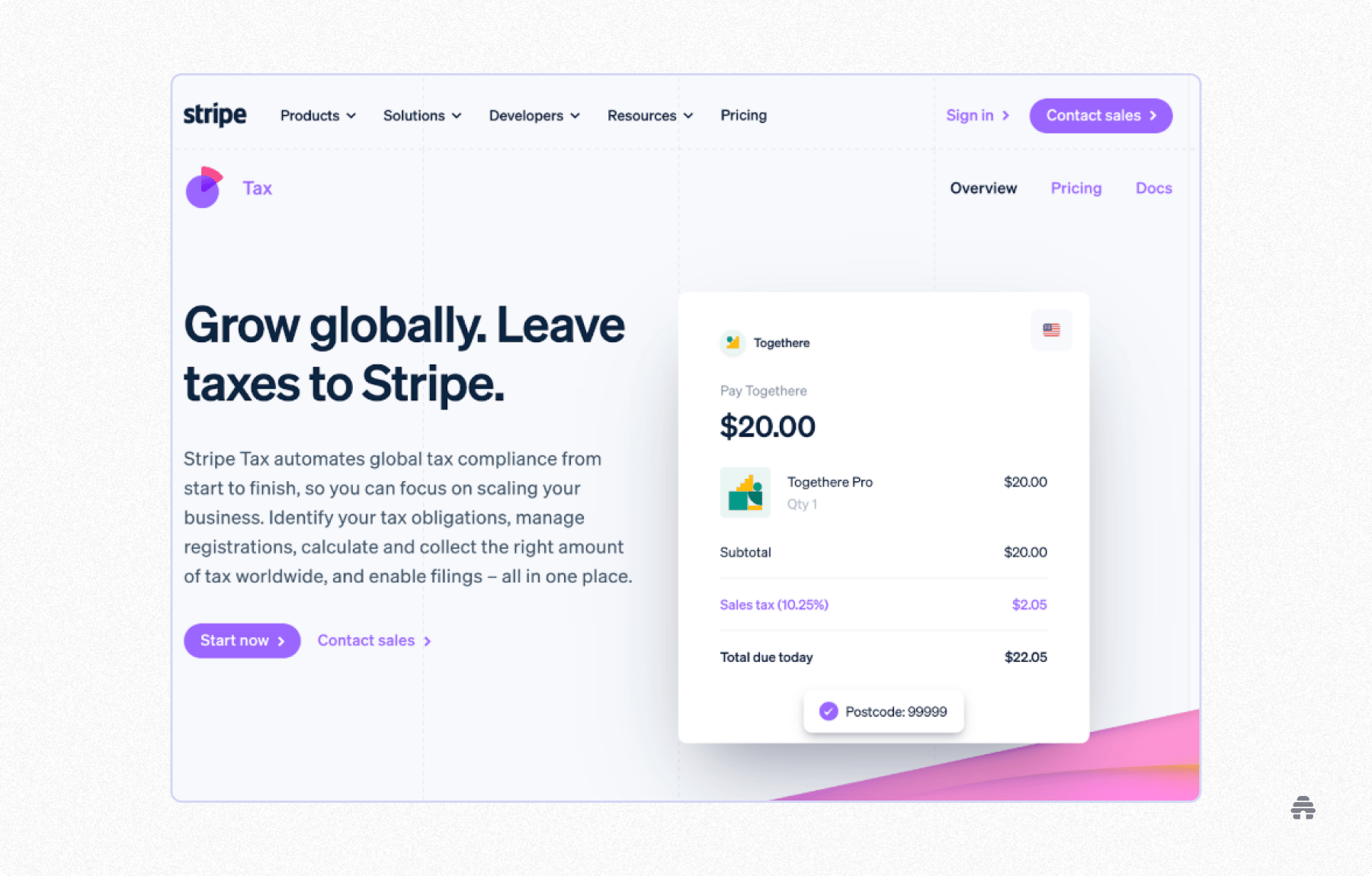
Stripe With Tax Tools
Best for: Technical founders seeking more control over their audience.
Strengths:
Excellent APIs
Fast payouts (instant/daily)
Stripe Tax integration
Tradeoffs:
The founder is responsible for compliance management
More legal exposure
Requires accounting support
While Stripe is not a Merchant of Record, you will gain flexibility, which is often worth it for funded or experienced teams.
PayPal Commerce
Best for: Lightweight checkout without a hefty setup.
Strengths:
Well-known, established brand
Fast onboarding
Global coverage
Tradeoffs:
May experience account freezes
Limited subscription options
Dispute-heavy environment
PayPal works as a secondary payment method and so can offer flexibility, but doesn’t act as core infrastructure.
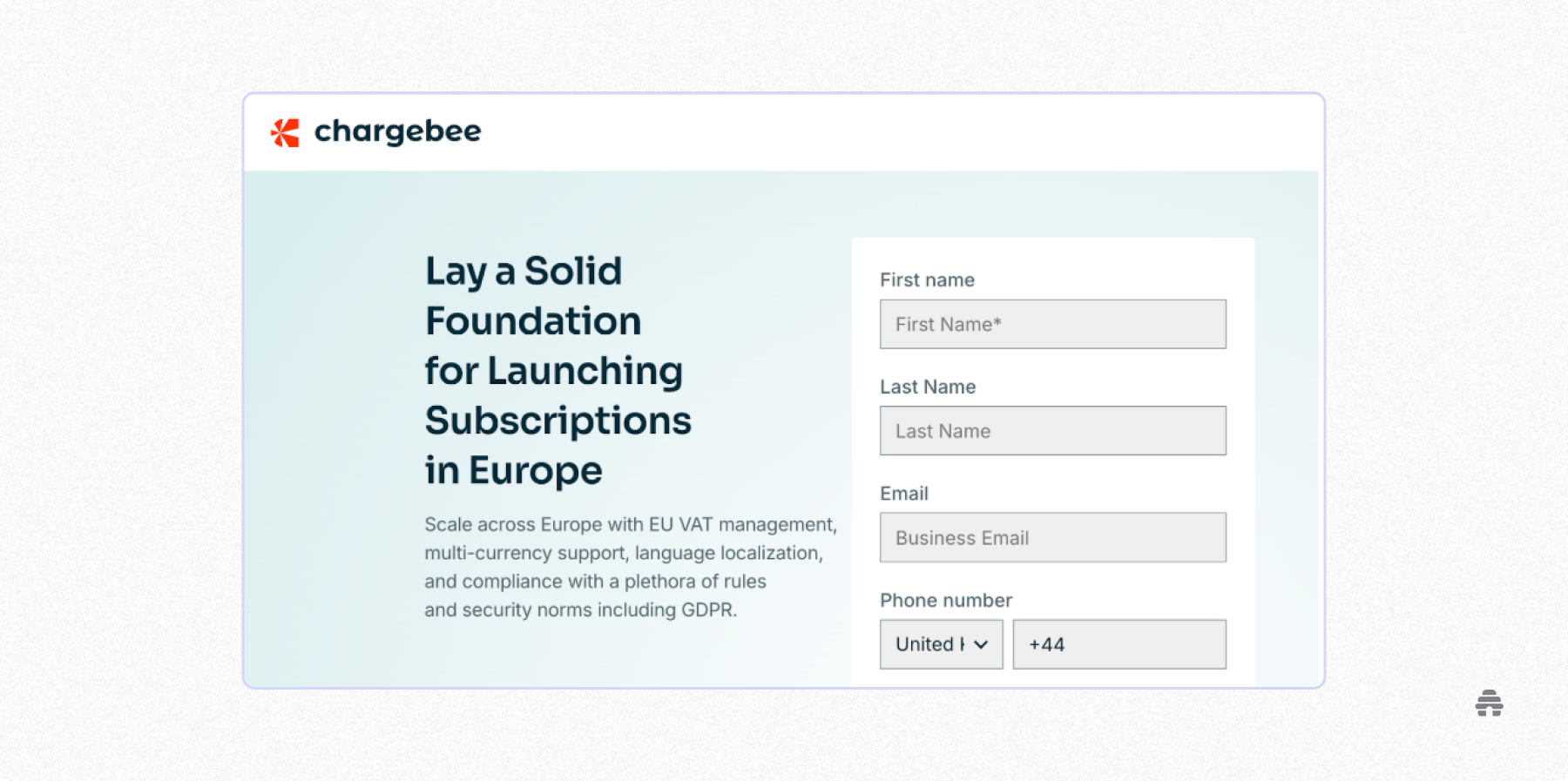
Chargebee
Best for: Growing SaaS with complex billing models.
Strengths:
Advanced subscription options
Revenue recognition tools
Enterprise integrations
Tradeoffs:
Requires a payment processor
Separate tax tools
Higher learning curve
Chargebee is a billing layer, not a payment solution. It can pair well with Stripe for high-functioning SaaS operations.
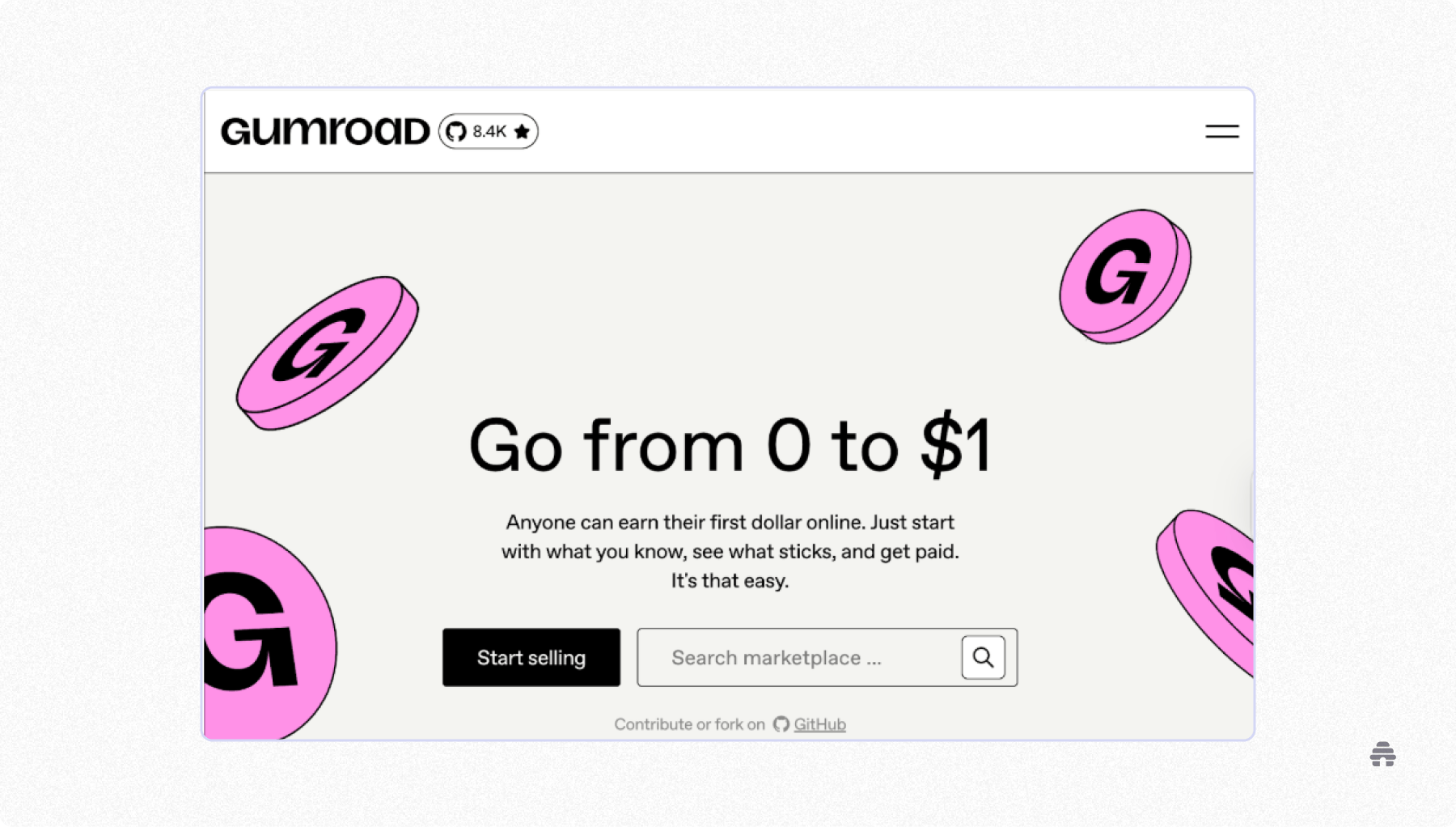
Gumroad
Best for: Solo creators selling simple online products.
Strengths:
Very easy setup
Handles basic taxes
Built-in audience
Tradeoffs:
High fees
Weak subscriptions
Limited branding opportunities
Gumroad is good for creators, but it rarely scales well for SaaS businesses.
The Worst Lemon Squeezy Alternatives and When To Avoid Them
Some tools feel safer and look attractive as a good alternative to Lemon Squeezy, but may create hidden costs or more operational overhead.
Examples include:
Generic Marketplaces: Platforms that “host” your product may limit pricing, branding, and customer ownership.
Local-Only Processors: Banks or regional gateways may offer low fees, but their international support could be shaky.
DIY Stacks Without Expertise: Combining random plugins, gateways, and tax tools without accounting support can lead to audit risk.
High-Dispute Platforms: Systems with weak fraud prevention can lead to funds being frozen regularly.
You should avoid any tools that trade short-term convenience for long-term stability. Your goal should be to find a tool that offers a better service than Lemon Squeezy, but doesn’t open gaps in tax handling or long-term goals.
Merchant of Record vs Payment Processor
Some Lemon Squeezy alternatives are official MoRs, while others are payment processors.
Both can work as alternatives, but it’s important to clearly understand this distinction so that you know what each platform is capable of.
Here’s a breakdown of the key differences between a Merchant of Record and a payment processor:
Merchant of Record:
The platform is the legal seller
Handles taxes and compliance
Manages refunds and disputes
Generally provides lower legal exposure
Examples of MoRs include Lemon Squeezy, Paddle, and FastSpring.
Payment Processor:
The founder is the seller
You manage taxes and liability
Offers greater control to founders
Examples include Stripe and PayPal.
In short, MoRs simplify operations, while payment processors maximize ownership. Neither is “better”; it just depends on what you’re looking for and how much responsibility you want your business to have.
Some businesses choose to run modular stacks, such as beehiiv for building an audience, Stripe or Paddle for payments, and separate tax tools to manage compliance effectively.
For example, Freelance Opportunities! Scaled to 11,000 subscribers on beehiiv, using the platform’s built-in engagement and earning tools, before plugging in Stripe or another payment processor into their stack.
Why Listen to Me? I have been working in the digital marketing space for over 10 years, predominantly helping brands with their email marketing and online presence. I now specialize in creating great content for beehiiv to help people nail their email strategies!
How To Switch From Lemon Squeezy

Migrating from any platform can feel scary until you break it down into practical, manageable steps.
Below you’ll find a step-by-step process for switching from Lemon Squeezy that you can follow throughout the migration, which tends to take most founders in the region of 2 - 6 weeks.
Step 1: Export Data
Download your customers, subscriptions, and transaction history so that you have everything ready in one place.
Step 2: Choose Your Model and Tool
Decide whether you’d prefer a MoR or a payment processor before selecting a specific tool.
Step 3: Recreate Products
Rebuild your pricing, plans, and coupons in the new system, ensuring everything has been carried across correctly.
Step 4: Migrate Subscriptions
Most platforms will allow for bulk imports or assisted transfers. It’s worth having a spreadsheet of all subscriptions so that you can check they’ve all been migrated correctly.
Step 5: Parallel Testing
Run both systems alongside each other for 1 - 2 cycles to check everything is working as it should.
Step 6: Communicate With Customers
Explain to your customers that you’ve migrated to a new system to reduce any misunderstandings or issues.
Some founders also use this transition to separate their audience and payments, moving content to beehiiv while migrating their checkout process to a dedicated payment processor.
Which Lemon Squeezy Alternative Is Right for You?
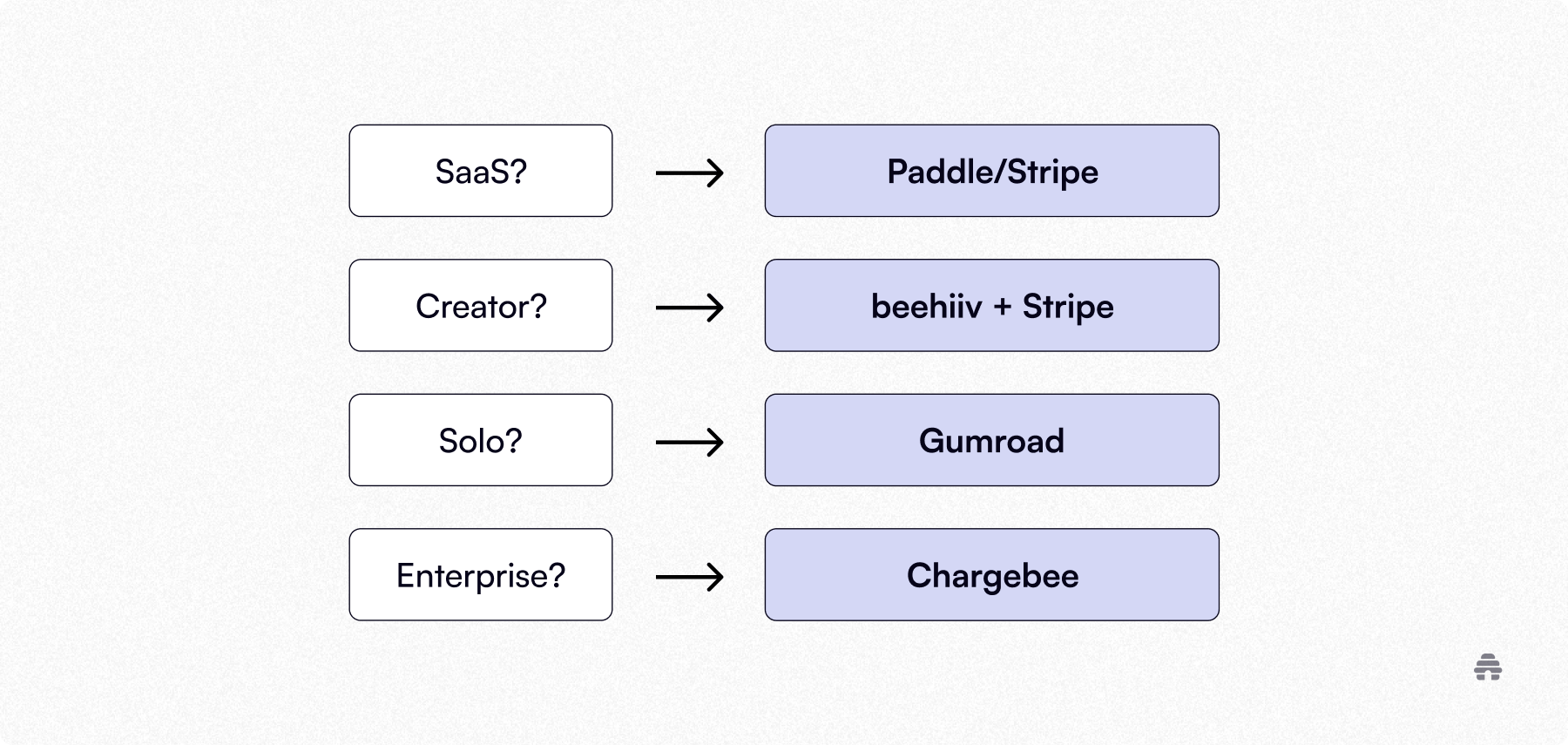
Choosing the right Lemon Squeezy alternative depends on your business type and how you manage day-to-day operations.
If you run an SaaS business, Paddle, Stripe, and Chargebee are great choices. They prioritize reliability and scalability, giving you a platform you can trust with your business for the long-term.
If you sell digital products, FastSpring and Gumroad could work for you. They offer international checkouts, allowing you to sell your products globally with multi-currency options.
If you run subscriptions at scale, Stripe and Chargebee are good options. They prioritize custom billing logic, offering custom SaaS billing and enterprise-level subscriptions.
If you’re a solo founder, Paddle and Gumroad are likely best due to low admin overheads and fast payout speeds.
If you run a newsletter or media business, you could combine platforms like beehiiv with Stripe or Paddle to gain better audience ownership and a flexible earning platform.
Ultimately, it’s best to match infrastructure to business maturity, rather than just looking at your current revenue. You want a tool that can help your business long-term, while also assisting with the general day-to-day.
Can You Really Afford Unpredictable Payouts?
It can be easy to underestimate the impact payment stability can have on your business, especially when it comes to decision-making.
Delayed payouts can make you hesitant to hire new staff, and fees often lead to founders avoiding reinvestments.
Your growth may also be limited if your compliance feels fragile.
The best Lemon Squeezy alternatives focus on supporting your business and instilling confidence, alongside acting as a subscription service. Whether you choose a Merchant of Record or build your own stack of tools, the key is knowing that you can trust your payment infrastructure enough to scale.
FAQs on Alternatives to Lemon Squeezy
Is Lemon Squeezy Free To Use?
No, Lemon Squeezy charges a percentage fee per transaction, plus processing fees. There is no fully free tier for selling via Lemon Squeezy.
What Is the Best Alternative to Stripe?
The best alternative to Strip is Paddle for hands-off compliance, or FastSpring for a simple alternative.
What Is the Opposite of Lemon Squeezy?
A payment processor like Stripe is a good option for an opposite alternative to Lemon Squeezy. Founders can gain control by using Stripe, but will lose built-in compliance features.
Why Use Lemon Squeezy?
Many founders use Lemon Squeezy for its Merchant of Record model, built-in tax system, and easy setup.
What Are Lemon Squeezy Alternatives?
Popular Lemon Squeezy alternatives include Paddle, FastSpring, Stripe (with tax tools), Chargebee, PayPal Commerce, and Gumroad.
How Much Does Lemon Squeezy Charge per Transaction?
Lemon Squeezy typically charges around 5% per transaction, plus a fixed fee. However, pricing can vary depending on plan and region.
Related Articles