- Home
- Posts
- 10 Predictions That Will Reshape Newsletter Businesses in 2026
10 Predictions That Will Reshape Newsletter Businesses in 2026
Ten Operators on Community-First Growth, Personalization, and Better Sponsorship Alignment.

Kanishka
March 14, 2026

A lot of newsletter advice still sounds like it did in 2020: write consistently, grow an email list, sell sponsorships, maybe add paid subscriptions later.
That advice is not wrong. It’s just incomplete.
The future of newsletters is evolving. In 2026, the newsletters that win will look less like “a writer with a list” and more like small, focused media companies.
Email is still the anchor, but it’s no longer the whole ship. The report backs this up with engagement and earning benchmarks (and a blunt warning: attention is fragmenting, clicks are harder to earn, and generic content is getting buried).
If you are building on a newsletter platform because you want a real business (not just a send), these 10 predictions will help you place your bets.
Prediction 1: The Inbox Becomes Home Base, Not the Whole Product
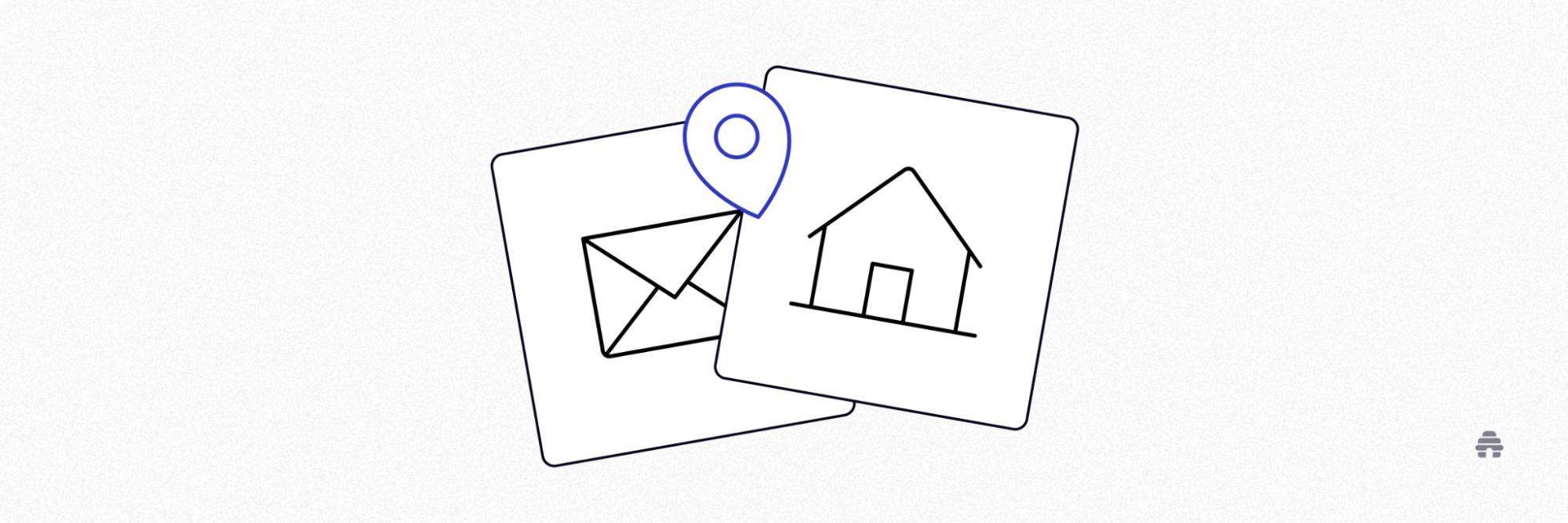
What’s changing is not whether email works. It’s what email unlocks.
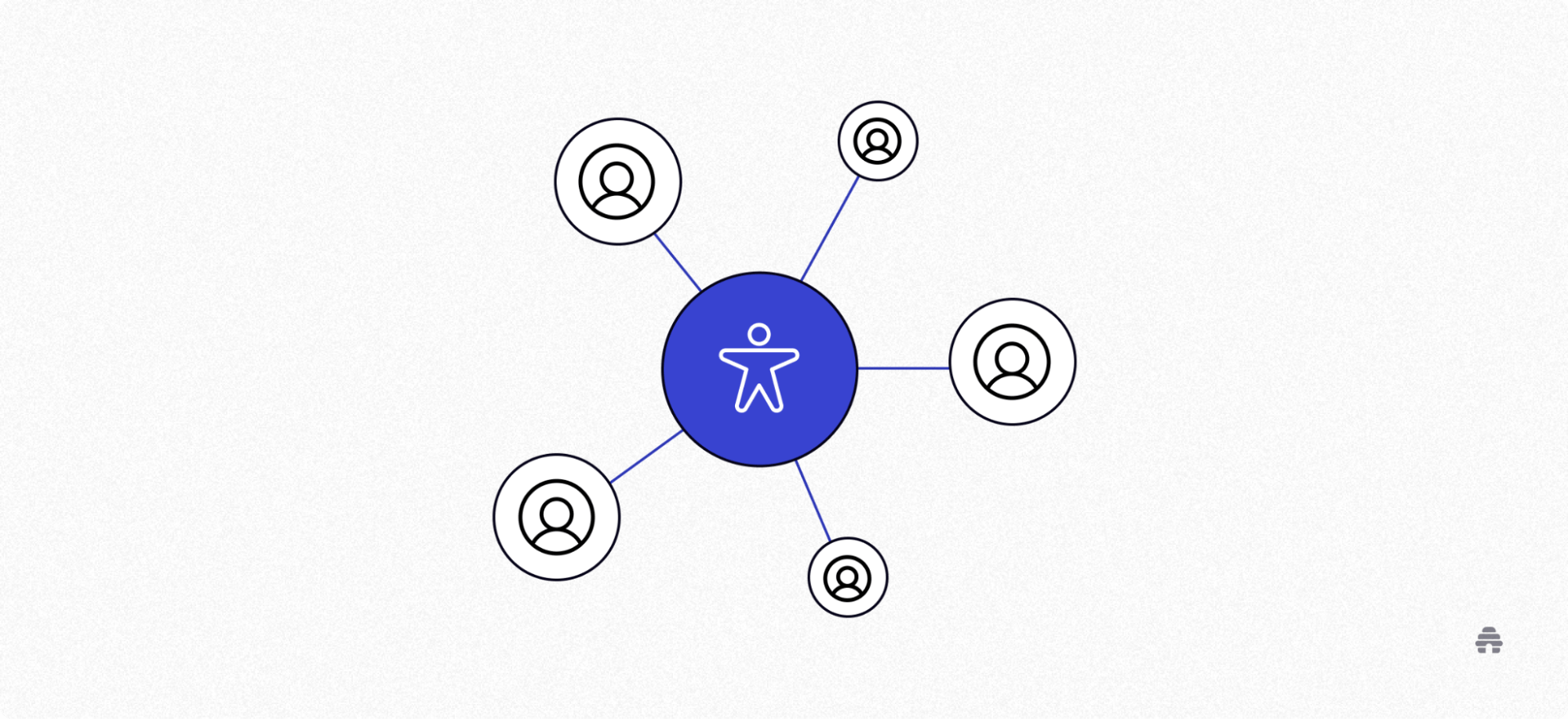
The report frames the modern model as a hub-and-spoke system: newsletter → website archive → companion formats → community → events.
Girlboss put it plainly: if you’re a modern media brand without a newsletter, you’re missing the owned audience layer that makes everything else work.
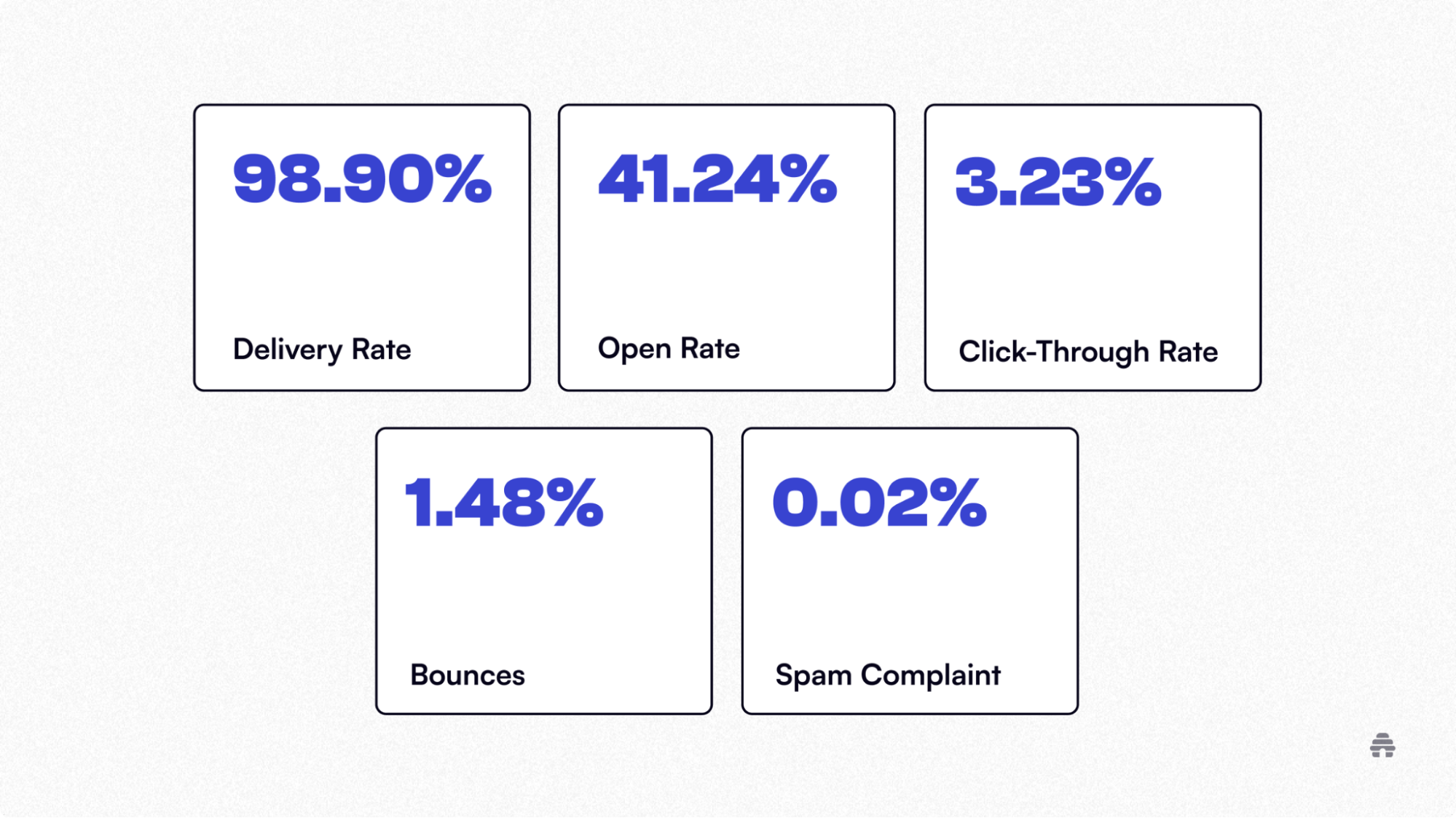
Which niches drive the highest opens? We’ve mapped deliverability, open rates, and CTR across top-performing niches.
Here is the full state of newsletters report in 2026.
Prediction 2: Web Publishing Stops Being Optional Because Discovery Moved Upstream

Newsletter trend in 2026: email building loyalty; growth coming from discovery.
HubSpot operators point out that newsletters can no longer be one-and-done sends. Publishing on the web gives content a second life in search, social feeds, Reddit threads, and answer engines. The archive is no longer a nice-to-have, it’s infrastructure.
This is where the “newsletter vs. blog” debate ends. Winning operators publish the same core work across both surfaces: email builds habit and relationship, while the web compounds discovery over time.
As newsletter creation continues to accelerate, supply is exploding. Distribution mechanics are what separate growing publications from stalled ones. The future of newsletters is about distribution.
Theme 2: Community-First Growth
Prediction 3: Community Becomes the Primary Retention Engine
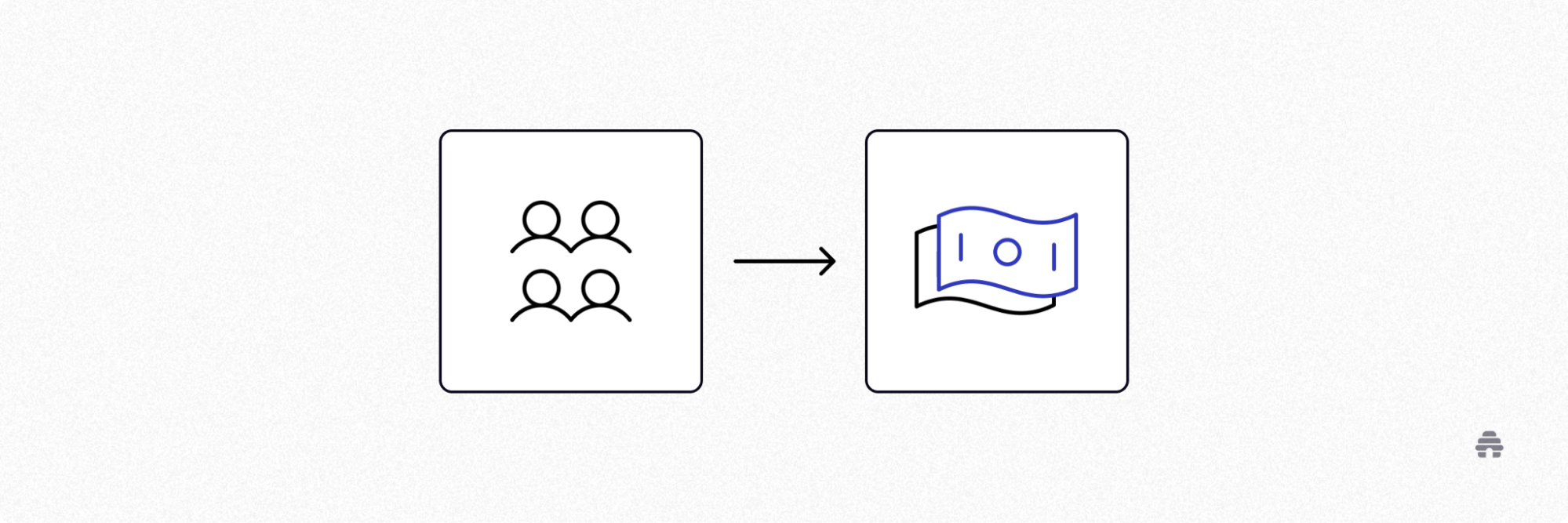
Austin Rief’s prediction reframes the next decade: community will be to the next 10 years what newsletters were to the last 10.
In a world of abundant and increasingly AI-generated content, genuine content often drives discovery. Growth shifts from “how many subscribers can we add?” to “how strong is the relationship we’re building?”Community is what drives conversion, retention, and long-term value.
This shows up operationally in engagement signals. Replies, interactions, and meaningful actions are increasingly tied to deliverability itself. When mailbox providers reward engagement, community behaviors don’t just retain readers, they protect distribution.
Prediction 4: Stronger Voice Beats Broader Coverage

Differentiation is no longer about what you cover. It’s about how unmistakable you sound.
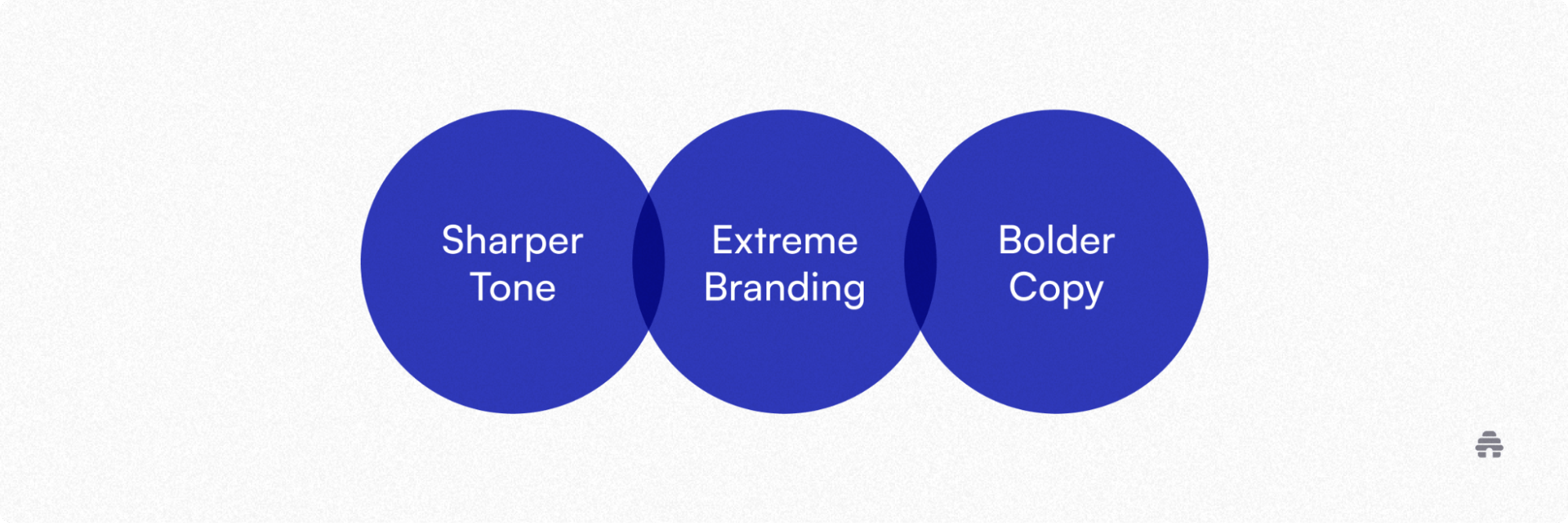
Rief predicts sharper tones, more extreme branding, and bolder copywriting. This isn’t aesthetic advice, it’s a moat. In a crowded inbox, personality becomes the filter readers rely on.
Ben Berkley’s framing captures it best: quality now equals personality. Readers reward voice, perspective, and consistency. The newsletters that feel human stand out against feeds that feel manufactured.
Why trust me: I’ve been strategizing content at beehiiv for over 3 years, with hands-on experience across email, the content economy, and audience-led growth.
Theme 3: IRL Events Become a Real Growth Channel
Prediction 5: Events Stop Being a Side Quest and Become a Business Line

IRL is no longer just a community perk. It’s a revenue and retention lever.
Generalist World demonstrates how quickly this scales when done intentionally: volunteer-led meetups across dozens of countries, thousands of people gathering in person, and a clear philosophy behind it. As systems become more optimized and more virtual, people increasingly crave the opposite.
The key insight is depth over scale. Community doesn’t grow strongest by adding more members; it grows strongest by creating shared experiences that matter.
Prediction 6: Physical Experiences Become Distribution for Niche Operators
Michael Kauffman’s model shows how newsletters evolve into something closer to local holding companies: merch runs, physical mail subscriptions, partnerships, and events that blur the line between digital and physical.
Even outside local media, the takeaway holds. Physical touchpoints create stories, loyalty, and word-of-mouth that ads can’t replicate. As hybrid revenue stacks become standard, experiences are no longer an add-on, they’re part of distribution.
Why Trust Me: I work on growth and distribution, with a particular interest in how search, content, and email compound over time. I enjoy breaking down complex systems into simple, usable frameworks that teams can actually apply.
Theme 4: AI-Driven Personalization and Automation Adoption
Prediction 7: AI Shifts From Content Generation to Relevance and Distribution

Using AI to write faster puts you in the most crowded lane.
Dan Krenitsyn predicts the real advantage comes from AI-powered distribution: segmentation, targeting, and automated multi-channel delivery. Content will get easier to generate. Relevance will get harder to maintain.
Right now, most newsletters still underuse automations. That gap creates an advantage for operators who invest in welcome flows, re-engagement, and behavior-based sends. The separation between professional operations and hobby newsletters widens here.
Prediction 8: Personalization Becomes a Deliverability Lever, Not Just a Conversion Tactic

Deliverability is no longer just technical; it’s behavioral.
Engagement signals increasingly determine inbox placement. Dave Smith describes reader engagement as the new firewall, with interactive elements like polls and quizzes sending stronger signals than passive opens.
At enterprise scale, TIME reinforces the same lesson: list hygiene, consistent cadence, and lifecycle automations are core priorities for 2026. Success is measured less by opens and more by clicks, replies, and post-click behavior.
Theme 5: Aligned Sponsorships and Partnerships
Prediction 9:The Sponsorship Bar Rises and Tone Match Becomes Performance-Critical
The Pour Over’s rule is simple: they removed sponsors they didn’t believe in.
That decision is economic. As clicks get scarcer, off-brand ads become more expensive than the revenue they generate. The future of sponsorships is fewer partners, better alignment, and ads written in the publication’s voice.
With CTR declining while opens rise, every misaligned message carries a higher opportunity cost.
Prediction 10: Hybrid Earning Becomes Default

The era of picking one revenue stream is over.
Ads, paid subscriptions, boosts, partnerships, and products increasingly coexist—but only when they map cleanly to reader intent. Earning works best when it follows segmentation.
This is where personalization and revenue converge. When operators understand what different segments value, partnerships become easier to sell and easier for readers to accept. Hybrid stacks are the new baseline.
Want to learn about more strategies that work in 2026? Check out the full report here.
A Practical Way To Use These Predictions This Week
If you want this to be more than an interesting read, here is a simple sequencing plan:
Pick one hub move: publish your archive on the web and treat it like a library.
Pick one community move: add a feedback loop you can actually respond to (replies, polls, small-group calls).
Pick one automation move: welcome series plus one re-engagement flow.
Pick one IRL experiment: a small meetup, workshop, or partner event you can repeat quarterly.
Audit your sponsorships: remove anything you would not recommend to a friend.
That is how a newsletter becomes a media business.
Start Using beehiiv
If your 2026 plan includes building a real newsletter business (not just sending emails), beehiiv is built for that operating model: owned distribution, growth loops, monetization, and the infrastructure to run newsletters like media companies.
Related Articles

The one place to build.