- Home
- Posts
- Impact of Apple MPP on Open Rates (And What To Track Instead)
Impact of Apple MPP on Open Rates (And What To Track Instead)
A Practical Breakdown of the Email Metrics That Still Matter

Nupur Mittal
December 17, 2025

If your email open rate suddenly spiked in late 2021, you can thank Apple, and there’s a consensus.

That’s when Apple Mail Privacy Protection (Apple MPP) rolled out in 2021 on iPhone, iPad, and Mac; and overnight, creators watched their analytics get bizarre. A newsletter that usually sat at a 28% open rate hit 55% out of nowhere.
A higher open rate looks good, but Apple’s MPP skews the data. Because Apple pre-opens emails through its proxy servers, your tracking pixel fires even when the subscriber never reads the email. That leads to inflated opens and shaky benchmarks
It’s been four years, and Apple MPP has pushed creators and marketers to look beyond the open to measure true engagement and understand their readers’ behavior.
In this guide, we’ll share how Apple MPP works and which metrics you should look at.
Table of Contents
What Is Apple Mail Privacy Protection (MPP)?
Apple MPP is a privacy feature built into Apple Mail on iPhone, iPad, and Mac. It preloads tracking pixels using Apple’s own servers and blocks senders (in this case, you) from measuring users’ tracking data, including:
IP address
Email opens and forwards
Time stamps (including those for open times)
Geolocation
Device type
Browser or platform
How Does MPP Work?
When “Protect Mail activity” is enabled, Apple doesn’t deliver emails directly to users. Instead, the company routes emails to an Apple-managed proxy server, where the message gets preloaded. This preloading process fetches images and tracking pixels automatically, which impacts a sender’s ability to collect data about the recipient.


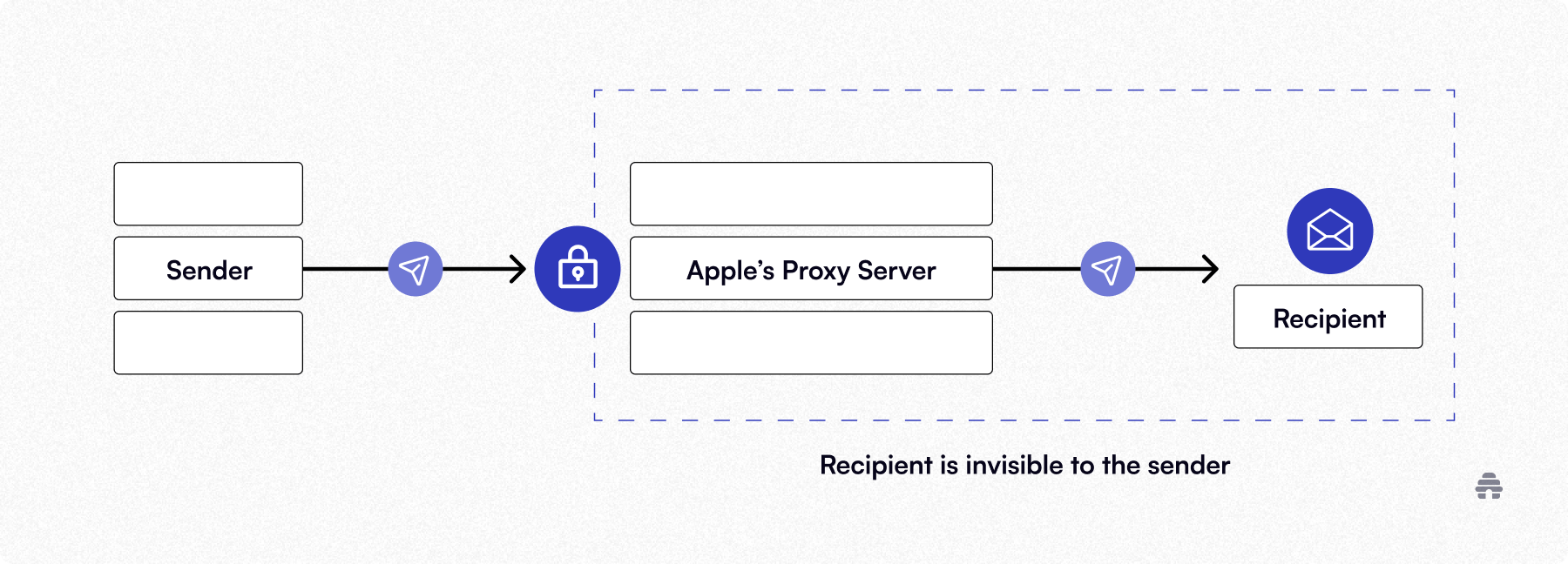
From Apple’s point of view, MPP is part of its broader “privacy first” identity. They already block cross-app tracking, limit third-party cookies in Safari, and reduce fingerprinting wherever possible. MPP was simply email’s turn.
How Apple MPP Impacts Open Rates
To understand the Mail Privacy Policy mechanism, we need to first understand tracking pixels.
A tracking pixel is a 1×1 image inside your email that loads when someone opens it, signaling to your ESP that the email was opened.
With MPP, Apple preloads this pixel on its server, creating a stream of “opens” that never actually happened by a human, aka your reader. Because of this, you see inflated opens even if the subscriber never really opened your emails.
A slightly assuring thing about Apple’s privacy policy is that it only applies to Apple Mail, not Apple devices in general.
But here’s the trick: it applies regardless of the email address used. So if a reader accesses your email in Apple Mail using their Gmail address, it remains untrackable.

This means your level of concern about your open rate should be based on the proportion of your list that uses Apple Mail. If your subscriber base tilts heavily toward Apple Mail, your open rate now includes a bunch of machine-triggered opens.
Which Email Metrics Are Reliable Post-MPP?
Open rates have never been the gold standard for measuring email performance. Even before Apple MPP, they were mostly a proxy for deliverability—basically a pulse check to confirm that your emails weren’t going straight to spam.
A high open rate doesn’t guarantee engagement. Someone could tap an email, glance at it for half a second, and bounce.
If you want a real read on whether your emails are doing their job, you need to look at the metrics beyond opens, like click-through rate, poll votes, reply rate, conversions, purchases, referral program activity, and subscription upgrades.
These metrics signal towards subscribers’ intentional behavior. A subscriber has to make a choice, tap something, or take an action—meaning you get an honest view of their interest, engagement, and intent.
How To Track Real Engagement After Apple MPP
The only reliable way to understand audience behavior now is to lean on metrics tied to intentional actions, such as clicks, replies, and conversions.
Here’s how to measure your email marketing effectiveness with clarity and accuracy.
Use ESPs That Adjust For MPP Automatically
Not every ESP has adapted to MPP. Some still treat every Apple preload as a legitimate open, which inflates engagement and distorts reporting.
beehiiv takes a different approach.
beehiiv’s analytics identify Apple MPP behavior and filter inflated opens to provide more realistic reporting. Instead of masking the problem, it reduces the impact of MPP, so you get cleaner baselines when evaluating audience activity, segmentation, lifecycle performance, and long-term trends.
“Unlike other platforms, [beehiiv] doesn’t just offer email-sending tools—it gives us everything we need to scale, engage, and actually understand our audience. The analytics, automation, and built-in growth features made it easy to transition and improve how we connect with our readers,” Salazar mentions.
Focus on Click-Throughs Instead of Opens
Click data is the most reliable indicator of the reader’s intent now. MPP doesn’t interfere with link tracking, so clicks still reveal which ideas resonate, which sections attract attention, and which calls to action (CTAs) move readers forward.
Structure your newsletters intentionally around click depth.
The Strategy Breakdown newsletter does this well: they place feedback polls, course links, and paid service links toward the end of each issue. When readers make it that far and interact—whether by voting, clicking on a link, or checking out an offer—it gives the team a clearer read on intent.
Such clicks help them identify potential clients and refine future content based on what their audience is actually engaging with.

Inside beehiiv, these insights surface clearly through the Performance view, which highlights top links, click concentration, and overall engagement rate. It gives you a cleaner, action-based picture of how your email performed.
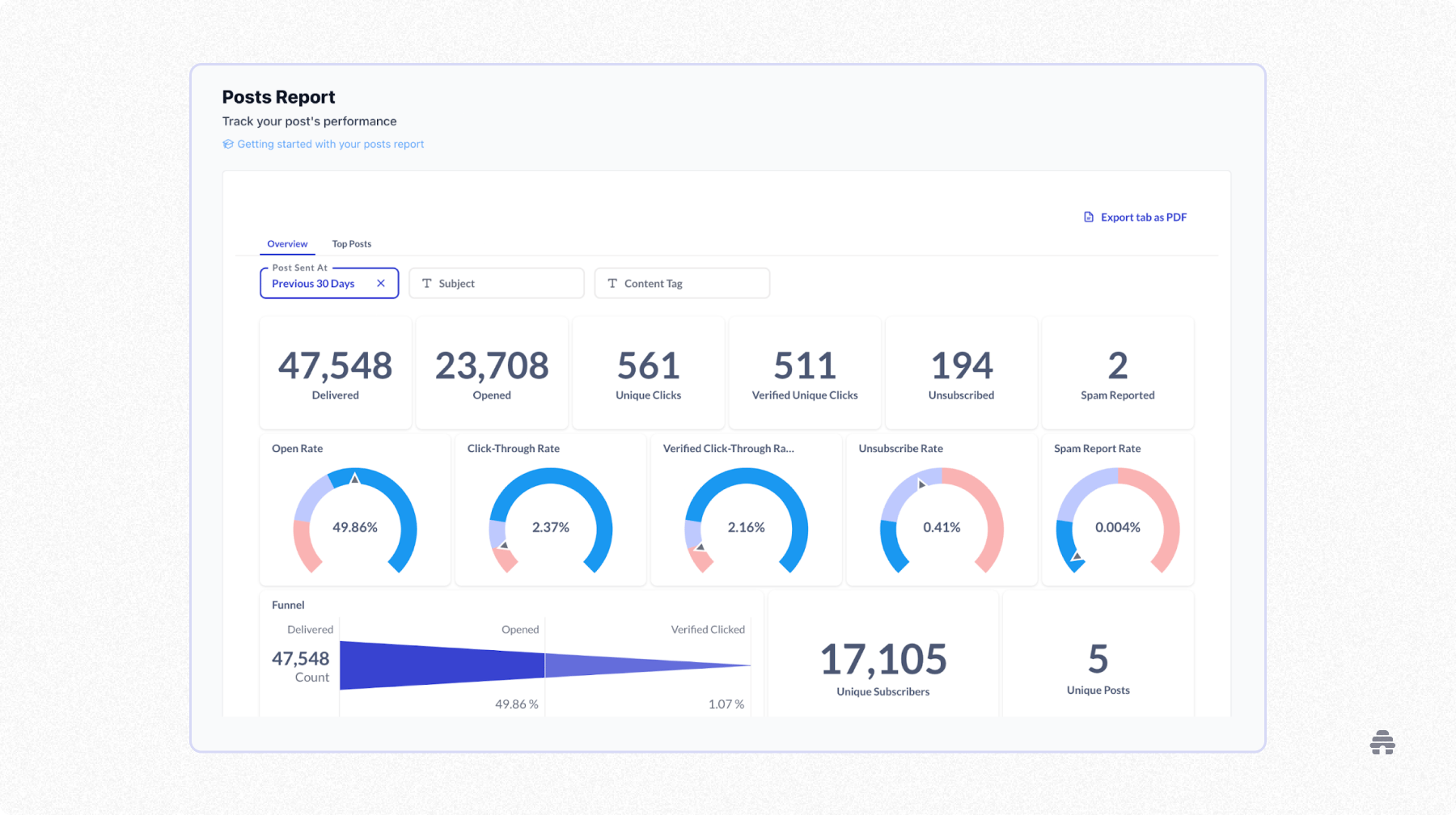
Segment Subscribers Based on Behavior
Study your subscribers’ behavior to create a segment that goes beyond their demographic or paid/non-paid.
beehiiv’s segmentation tools support different segment conditions, including behavior data. You can use referral activities, poll votes, or survey responses to identify your most engaged readers, tailor messaging, and run targeted re-engagement flows based on real interaction rather than algorithmic noise.
Evaluate Content Quality Through Readers’ Actions
Newsletter quality is best measured through the participation it generates. Replies, poll votes, survey responses, link popularity, or referral activity—all require deliberate action from a human reader. These signals paint a clearer picture of how an edition performed than open rate ever could.
beehiiv’s Interactions tab centralizes these signals, giving you a record of what subscribers did after opening the issue. You can see which topics are most engaging, which CTAs drove intended action, and which sections generated the most clicks.
Instead of relying on a single metric, you can now assess engagement through a combination of interactions—click distribution, participation rate, and share activity.

Treat Retention as the New North Star Metric
In the MPP era, retention is one of the most honest indicators of long-term email performance. If readers continue to open, click, and interact over time, the content is working. If they quietly stop engaging or churn, that’s a clearer signal than any open rate could provide.
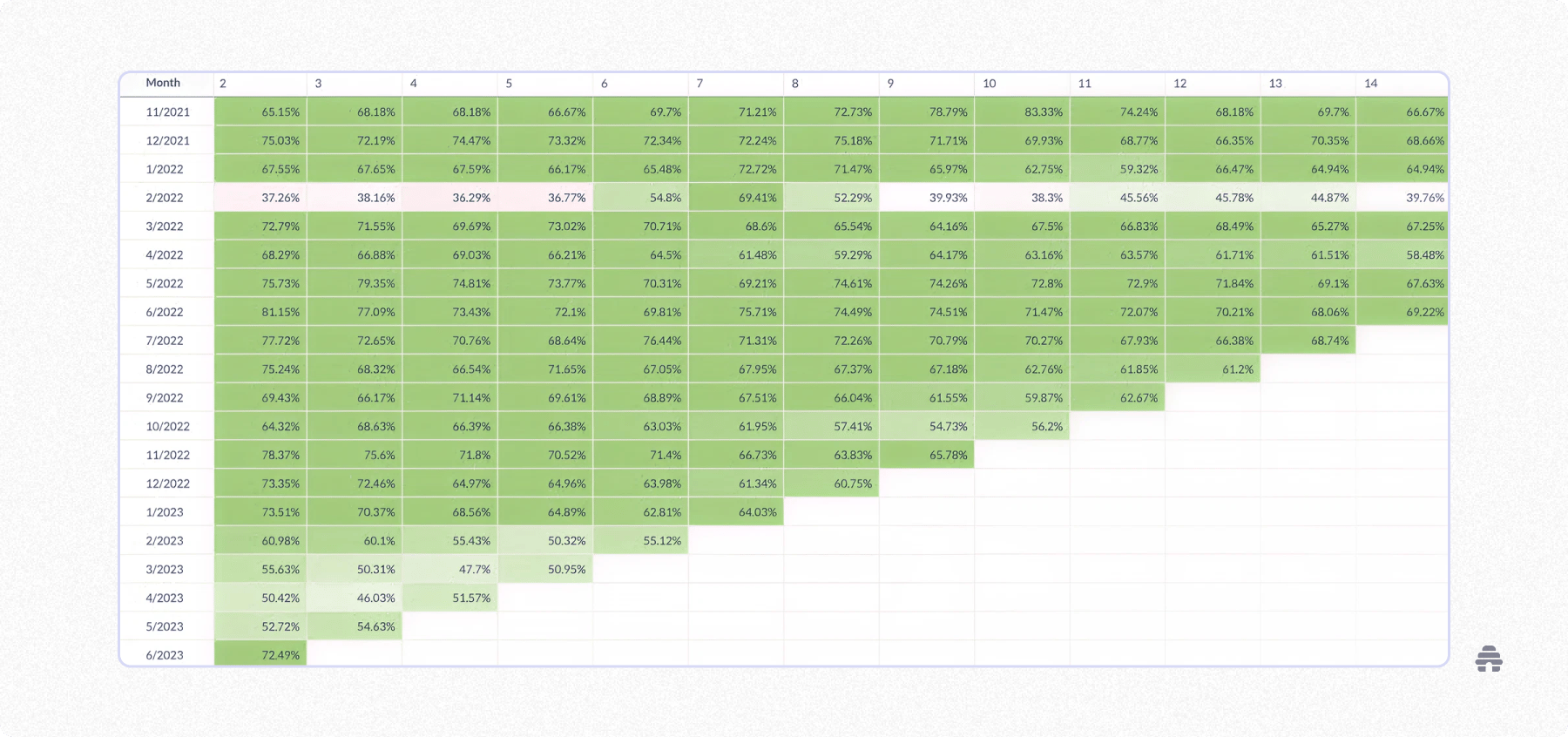
beehiiv’s cohort analysis visualizes subscriber behavior across the lifecycle, revealing when engagement naturally dips and where readers tend to fall off.
Use signals from cohort analysis to refine your onboarding sequences, adjust content strategy, and evaluate whether a newsletter is building real loyalty.
Look Beyond Open Rate With beehiiv
Apple MPP caused a lot of racket when it rolled out in 2021, but it ended up clarifying something the industry should’ve acknowledged long before: open rates are just a primary signal, not the measure of audience engagement.
In the post-MPP era, growing in email marketing is about how well you understand your audience and deliver content that they will read. beehiiv’s analytics toolkit is your best friend to look beyond opens and track verified clicks, analyze engagement patterns, and assess content’s performance.
And, with our Website Analytics rolled out, you get a complete package to measure your email and web performance. The queue is getting long, so make sure to sign up and take beehiiv for a test run.

Related Articles