- Home
- Posts
- The Best Examples of ESPs: From Mailchimp to beehiiv
The Best Examples of ESPs: From Mailchimp to beehiiv
Learn How Modern ESPs Are Built for Creators

Megan Smith
December 19, 2025

What exactly counts as an email service provider (ESP) in 2025? The definition has certainly shifted over the years.
Not long ago, the term brought to mind traditional email delivery tools focused on simply sending messages.
Today, an email service provider is so much more. The modern ESP is a powerful platform that combines audience management, advanced automation, and even monetization tools all in one place.
While industry mainstays like Mailchimp and other examples of ESPs have long been serving users, a new wave of ESPs is emerging.
Platforms like beehiiv represent the next generation, built specifically with the needs of modern creators in mind.
Let's explore how these platforms are changing the game and what it means for your email strategy.
Table of Contents
What Is an ESP (Email Service Provider)?
An email service provider, or ESP, is a software platform that helps you send emails to a large group of people at once. There are both free and paid ESPs for professionals.
Think of an ESP as a specialized post office for your digital messages. It handles the heavy lifting of sending mass emails, managing your subscriber lists, and showing you who opened your emails and clicked on your links.
One of an ESP’s most important jobs is email deliverability — making sure your emails actually land in recipients' inboxes instead of getting lost in spam folders.
Without an ESP, sending an email to thousands of subscribers from your personal Gmail or Outlook account would quickly get your address flagged as spam.
ESPs are built to handle this volume, ensuring that your messages actually reach their destination.
How ESPs Get Your Emails Delivered
Have you ever wondered how an email magically appears in an inbox? ESPs use a special system to make it happen, which involves a few technical but important pieces working together.
First, ESPs use something called a simple mail transfer protocol (SMTP) server. This is the engine that actually sends your email out onto the internet.
But just sending an email isn't enough. The ESP also needs to prove to receiving email servers like Gmail or Yahoo that you are a legitimate sender and not a spammer. This is where email authentication comes in.
ESPs use these methods to prove you’re legit:
Sender Policy Framework (SPF): a record that says, "Hey, this ESP is allowed to send emails on my behalf"
DomainKeys Identified Mail (DKIM): adds a digital signature to your email, proving it hasn't been tampered with
Domain-based Message Authentication, Reporting, and Conformance (DMARC): tells receiving servers what to do with emails that fail SPF or DKIM checks, giving you more control and protecting your reputation
Together, these tools build trust and significantly boost your email deliverability — the chance of your email landing in the primary inbox instead of the spam folder.
Creating and Tracking a Campaign
Imagine you want to send a weekly newsletter. When you choose one of the best examples of ESPs, you can log in, choose a template, and write your content.
Next, you’d select the list of subscribers you want to send it to. After you hit "send," the real magic begins.
The ESP's dashboard will show you key newsletter metrics in real-time. You can see your open rate (how many people opened the email), click-through rate (how many clicked a link), and even who unsubscribed.
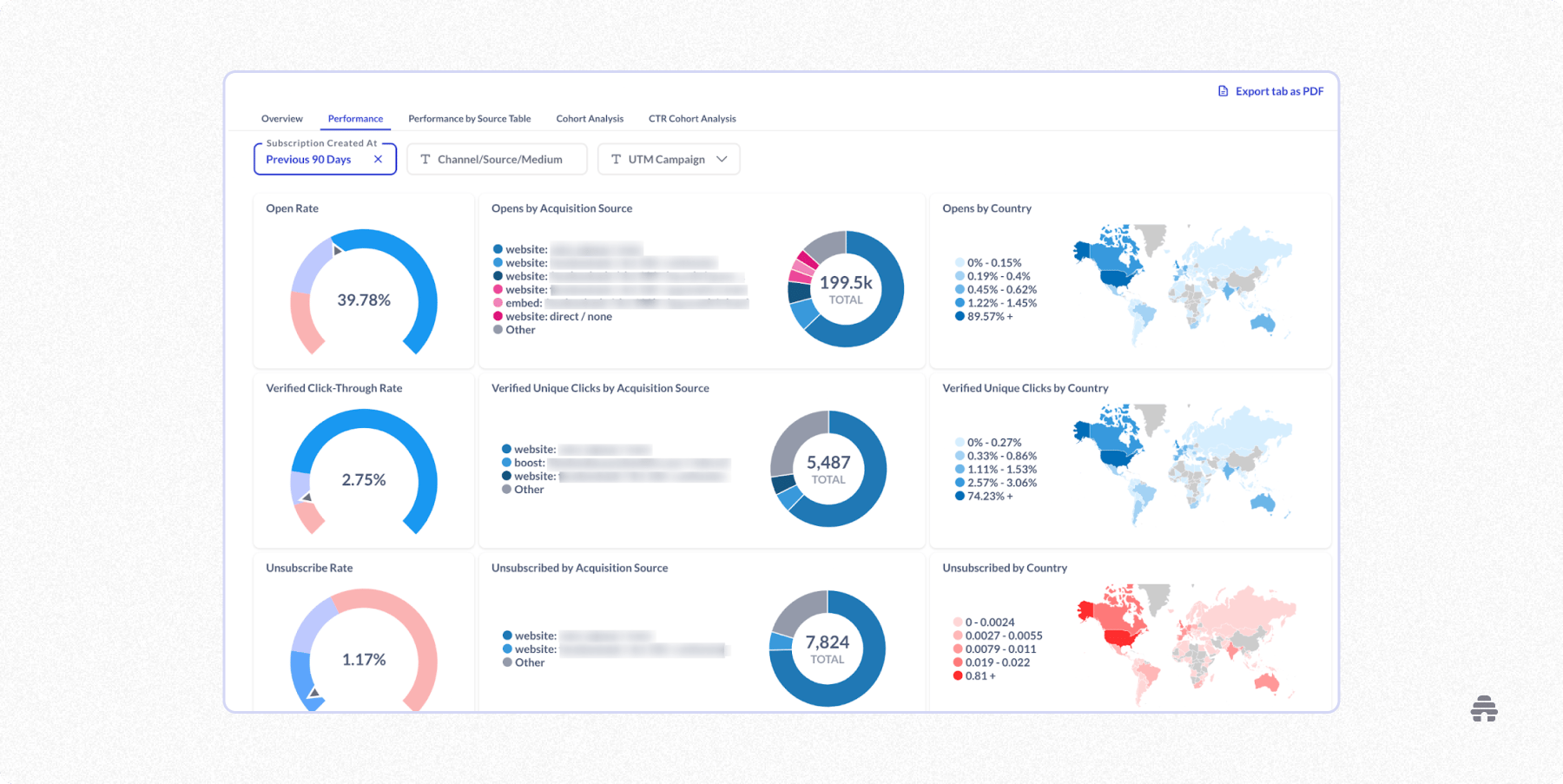
This data is priceless for understanding what your audience loves.
Why the Right ESP Matters for Creators
Not all ESPs are created equal, and choosing the wrong one can cause major headaches.
A platform with poor deliverability means your hard work ends up in spam folders. An ESP with clunky segmentation tools makes it difficult to send targeted messages to different parts of your audience.
Many traditional ESPs were built for corporate marketing teams, not individual content creators. Their features might be overly complex or focused on E-commerce sales funnels.
For creators, the goal is often different. They want to build a community and monetize content directly. That's why finding an ESP designed with a creator's workflow in mind is so crucial.
The Most Common Examples Of ESPs
The world of email service providers is vast, with options for every type of user. From small businesses to professional creators, there's a platform designed for nearly every need.

Understanding the key examples of ESPs can help you find the perfect match for your goals.
Let's look at some of the most popular ESPs and who they're best for.
Brevo

Brevo (formerly Sendinblue) is well-known for its versatility and affordable pricing.
Alongside email marketing, Brevo offers short message service (SMS) campaigns, live chat, customer relationship management (CRM) tools, and marketing automation — all from a single dashboard.
Brevo is ideal for small to medium-sized businesses that want a platform capable of handling ESP marketing campaigns without breaking the bank. On the other hand, larger teams and people who want free landing page tools may need to look elsewhere.
Brevo’s simple design and pay-as-you-go features make it approachable.
Mailchimp

Mailchimp is one of the most recognizable names in email marketing. It's known for its user-friendly interface and compatibility with other marketing tools.
That makes the ESP a go-to choice for beginners and small businesses just starting their email journey.
Mailchimp excels as an all-in-one marketing platform, offering landing pages, social media tools, and simple automations. However, plans quickly become expensive with tiered pricing and unfavorable subscription counts.
If you need a straightforward tool to get your marketing off the ground, Mailchimp is a solid starting point.
Kit

Kit (formerly ConvertKit) was built with creators in mind from day one. Its platform focuses on helping bloggers, podcasters, and online course instructors grow and manage their audiences.
Kit offers powerful tagging and segmentation features that make it easy to send targeted content.
This ESP is best for professional creators who need robust automation and list management tools. It lets you treat subscribers as individuals rather than a homogenous mass.
On the other hand, Kit users find the platform lacking when it comes to reporting tools and analytics, which is one area where beehiiv excels.
ActiveCampaign
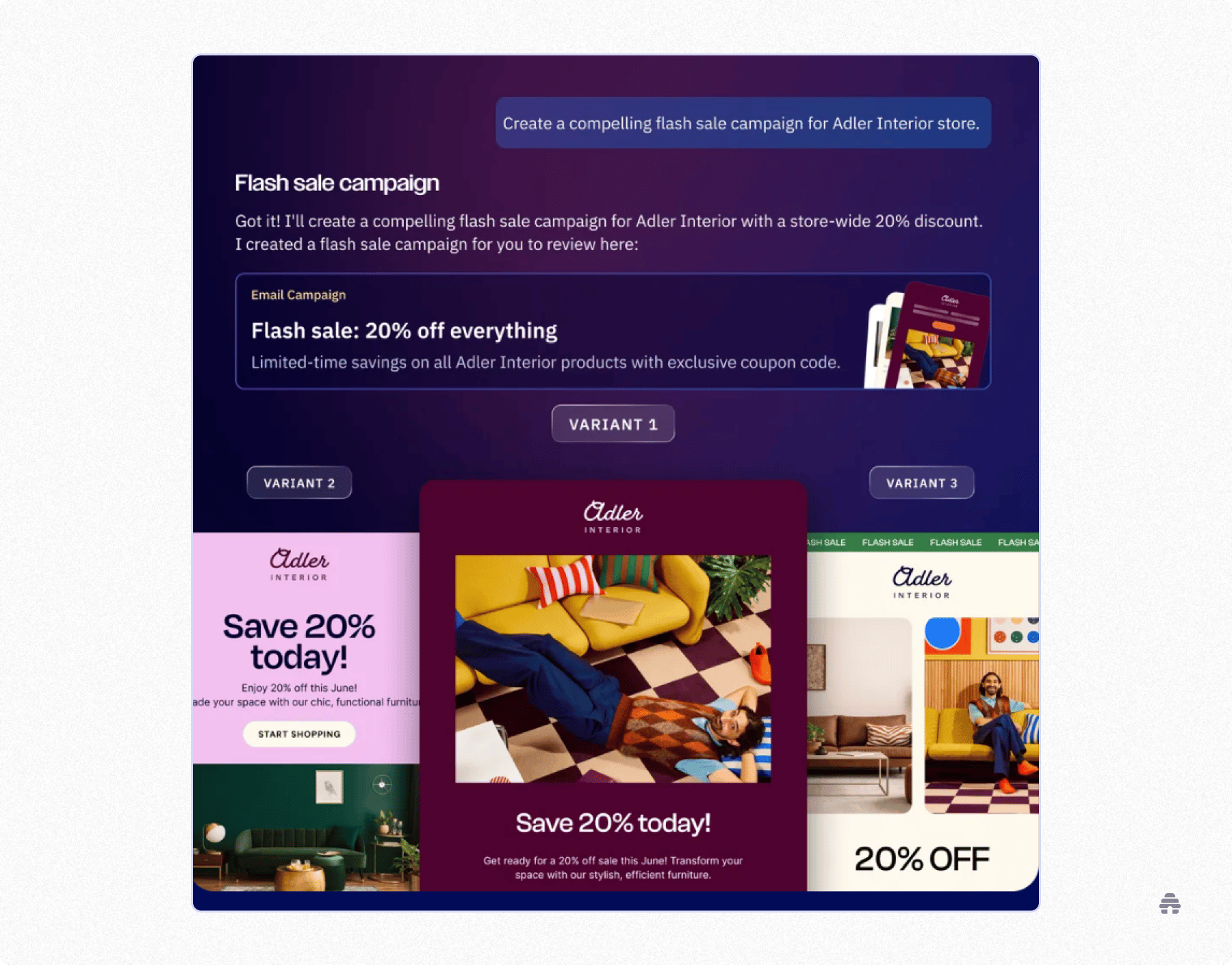
ActiveCampaign is known for its marketing automations. It offers some of the best on the market and goes far beyond simple email campaigns.
The platform features a sophisticated customer relationship management (CRM) system that tracks every interaction a contact has with your business.
ActiveCampaign is ideal for sales-focused businesses and experienced marketers who need complex automation workflows. On the other hand, it doesn't offer a free plan, and the free trial only lasts 14 days.
If your goal is to nurture leads through a detailed sales funnel, ActiveCampaign has the advanced tools you need.
beehiiv

beehiiv represents the new wave of ESPs designed specifically for newsletter creators.
The platform combines a powerful writing and publishing experience with built-in tools for growth and monetization all in one place.
beehiiv is the perfect fit for writers and creators who want to build a media brand around their newsletter.
beehiiv also keeps launching new features for its creators. Here’s some from the latest drop:
An AI-powered website builder
The ability to sell digital products
A more extensive template library
Better web analytics
Plus, the platform’s core features like premium subscriptions, an ad network, and referral programs provide a direct path to turning your content into a business.
How beehiiv Differs From Traditional ESPs
While many platforms can send an email, beehiiv was built differently from the ground up. It’s not just an email service provider; it’s an all-in-one platform for creators to write, grow, and earn from their newsletters.
Traditional ESPs often require you to stitch together various tools for publishing, analytics, and making money. beehiiv brings everything under one roof.
This integrated approach means you spend less time managing software and more time creating great content. Unique tools like beehiiv’s native Ad Network and Boosts are built right in, offering growth and revenue channels that other ESPs simply don't provide.
A great example? Bogey Bois, a golf media brand and newsletter, chose beehiiv and quickly scaled to 220,000 readers. They credit beehiiv’s Ad Network and straightforward platform for making it simple to grow their audience and monetize their newsletter.

The brand’s journey shows just how big an impact the right ESP can have for creators.
Another creator, Joël Collin-Demers of Pure Procurement, made the switch from Substack to beehiiv for similar reasons. He was looking for a newsletter platform that could give him a cohesive content ecosystem and match his values as a niche creator.
Collin-Demers points to beehiiv’s frequent product updates, no-code website builder, and the way the platform listens to its users as game-changers that helped him turn his email into the center of his brand’s growth.
Built for Creators, Not Just Marketers
Many examples of ESPs in email marketing were designed for corporate teams. They focus on complex sales funnels and intricate automation sequences that are often overkill for a newsletter creator.
These types of interfaces can feel clunky and unintuitive for someone whose main goal is to publish great content and build a loyal community.
beehiiv flips that script. The platform is designed around the writing experience. The editor is clean and powerful, making it easy to create beautiful newsletters without fighting the software.
beehiiv focuses on community building and direct engagement, not just lead nurturing.
Growth Tools That Go Beyond Email Delivery
Take Handmade Seller magazine, for example: By switching to beehiiv, they reduced their tech stack from 25 tools to just seven in six days. This move didn’t just make workflows smoother—it sparked a 34% jump in paying subscribers and a 300% surge in content output.

That’s the power of turning your ESP into a true growth engine.
While a traditional ESP's job is done once the email is sent, beehiiv sees that as just the beginning. We've built powerful growth tools directly into the platform to help you get discovered.
Our Recommendations feature lets you partner with other newsletters on the platform, showing your publication to their audience and vice versa.
Another tool, Boosts, allows you to pay other creators to promote your newsletter, driving high-quality subscribers to your list.
These features turn your ESP into a growth engine.
Built-In Monetization and Analytics
For most creators, monetizing a newsletter means finding sponsors, managing affiliate links, or using third-party payment platforms. This process can be manual, time-consuming, and disconnected from your email platform.
beehiiv offers monetization from day one. You can launch paid subscriptions, get matched with high-paying sponsors through our Ad Network, and earn revenue through Boosts.
All of this is managed within your beehiiv dashboard, with clear analytics that show you exactly how much you're earning and where it's coming from.
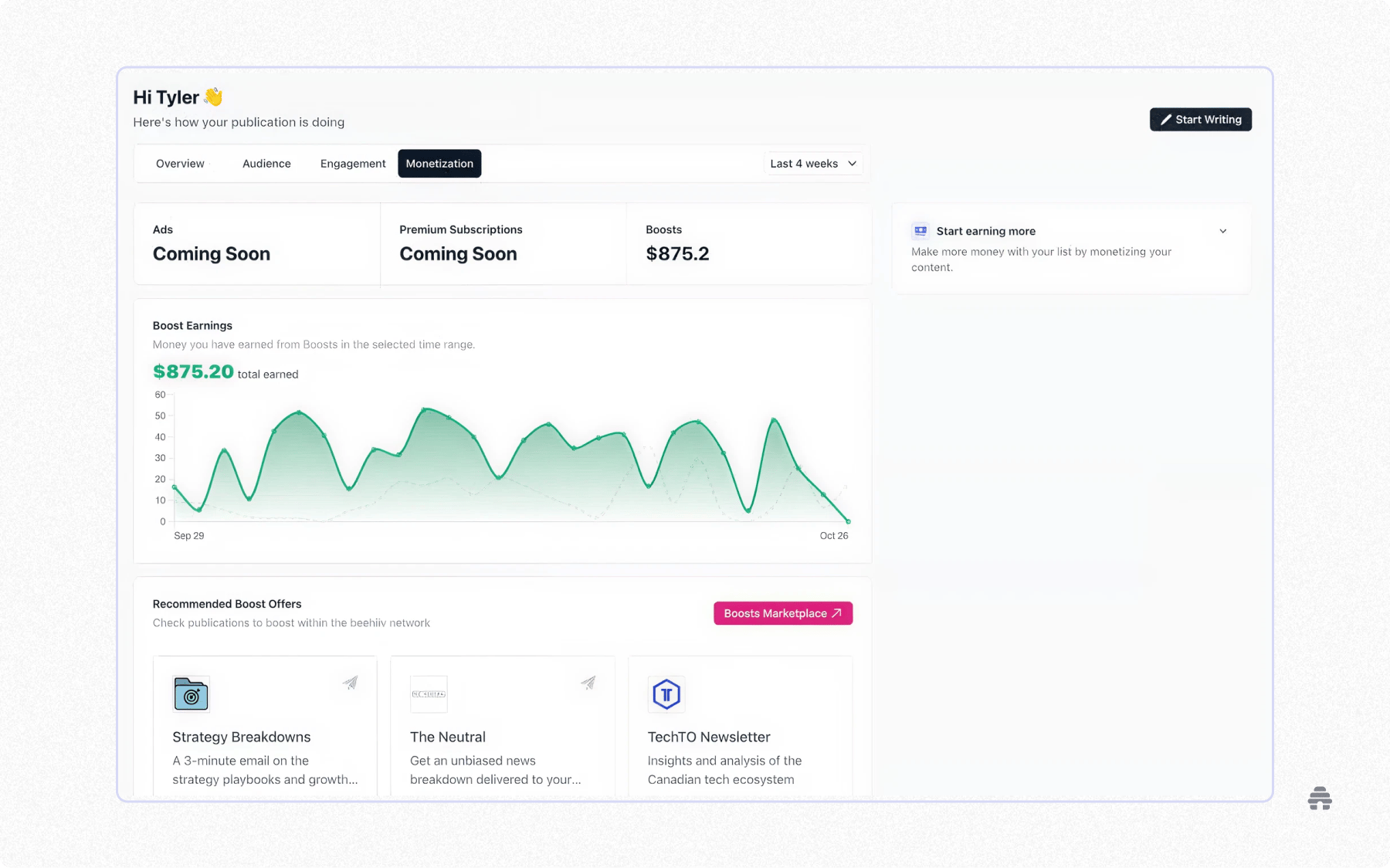
Even large publishers are seeing the impact. When TIME moved over 2 million subscribers to beehiiv, their editorial team gained access to built-in revenue tools and deep audience insights—all without relying on developers or third-party systems.
The team was able to quickly understand which newsletters drove engagement and revenue, experiment with new monetization strategies, and create a more connected experience for readers. It's a real example of how the right ESP turns data and built-in tools into actual growth.
My Take on Choosing an ESP
Choosing the right ESP is a big decision.
The platform you pick will be the foundation for your content business, so it's important to find one that supports your goals instead of getting in your way.
Many traditional ESPs do one thing well: they send emails. But modern creators need more than just a delivery service.
You need tools that help you write, grow, analyze, and monetize—all without needing a degree in marketing automation or a dozen different software subscriptions.
This is where I believe beehiiv stands out.
beehiiv isn’t just another option on the long list of email service providers for business needs. It’s the first platform I’ve seen that truly gives creators the full stack of tools needed to build a newsletter brand under one roof.
The focus is on your content and your community.
By combining a powerful editor, audience analytics, and built-in growth and monetization features, beehiiv removes the friction that slows creators down.
You can spend your time on what matters most: creating amazing content for your readers.
If you’re ready to see what a creator-first platform can do for you, why not give beehiiv a try?
Sign up for your free trial today!

Why Trust Me
I’m an experienced content creator and digital marketer who specializes in email marketing and web publishing. I’ve tried many different ESPs but settled on beehiiv for my own needs.
Frequently Asked Questions
What is an example of ESP?
An ESP, or email service provider, is a platform designed to help you send emails to a large list of subscribers. Think of it as a specialized tool for mass communication that handles everything from managing your audience to ensuring that your emails actually land in the inbox.
ESPs provide the infrastructure for bulk sending, list management, campaign tracking, and analytics. They use authentication methods like SPF and DKIM to build trust with receiving servers, which improves your deliverability and keeps you out of the spam folder.
What is the most popular ESP?
Determining the "most popular" ESP depends on how you measure it. Mailchimp often leads in terms of the sheer number of users, especially among small businesses. This is largely due to its long-standing reputation and user-friendly interface.
However, for professional creators and newsletter operators, platforms like beehiiv and ConvertKit are rapidly gaining popularity. They offer specialized tools for monetization and growth that are better suited for content-focused businesses.
What are five examples of email service providers?
The ESP landscape is diverse, with platforms built for different needs. Here are five common examples:
beehiiv: an all-in-one platform for creators to write, grow, and monetize their newsletters
Mailchimp: a popular choice for small businesses needing an all-around marketing tool
ConvertKit: a creator-focused platform with strong automation and segmentation features
ActiveCampaign: a powerful tool for businesses focused on sales and marketing automation
Brevo: a comprehensive platform for enterprises looking for advanced segmentation, personalization, and analytics capabilities
When considering which ESP to use, it's important to evaluate your specific needs and the size of your subscriber list.
Are Gmail, Yahoo, or Outlook considered ESPs?
No, Gmail is not an ESP, nor are Yahoo or Outlook. While you use them to send and receive emails, they are classified as inbox service providers (ISPs) or mailbox providers.
These services are designed for one-to-one or small-group personal communication. They lack the tools needed to manage subscriber lists, track engagement analytics, or handle bulk sending in a way that avoids spam filters.
Attempting to send a mass email from a personal account will likely get your address blocked.
Related Articles


The one place to build.
Get beehiiv updates delivered directly to your inbox.
By subscribing you agree to our Privacy Policy and provide consent to receive updates from our company.