- Home
- Posts
- Create and Sell Digital Products: A Starter’s Guide
Create and Sell Digital Products: A Starter’s Guide
Turn Your Knowledge Into Profit With Digital Products

Megan Smith
December 14, 2025
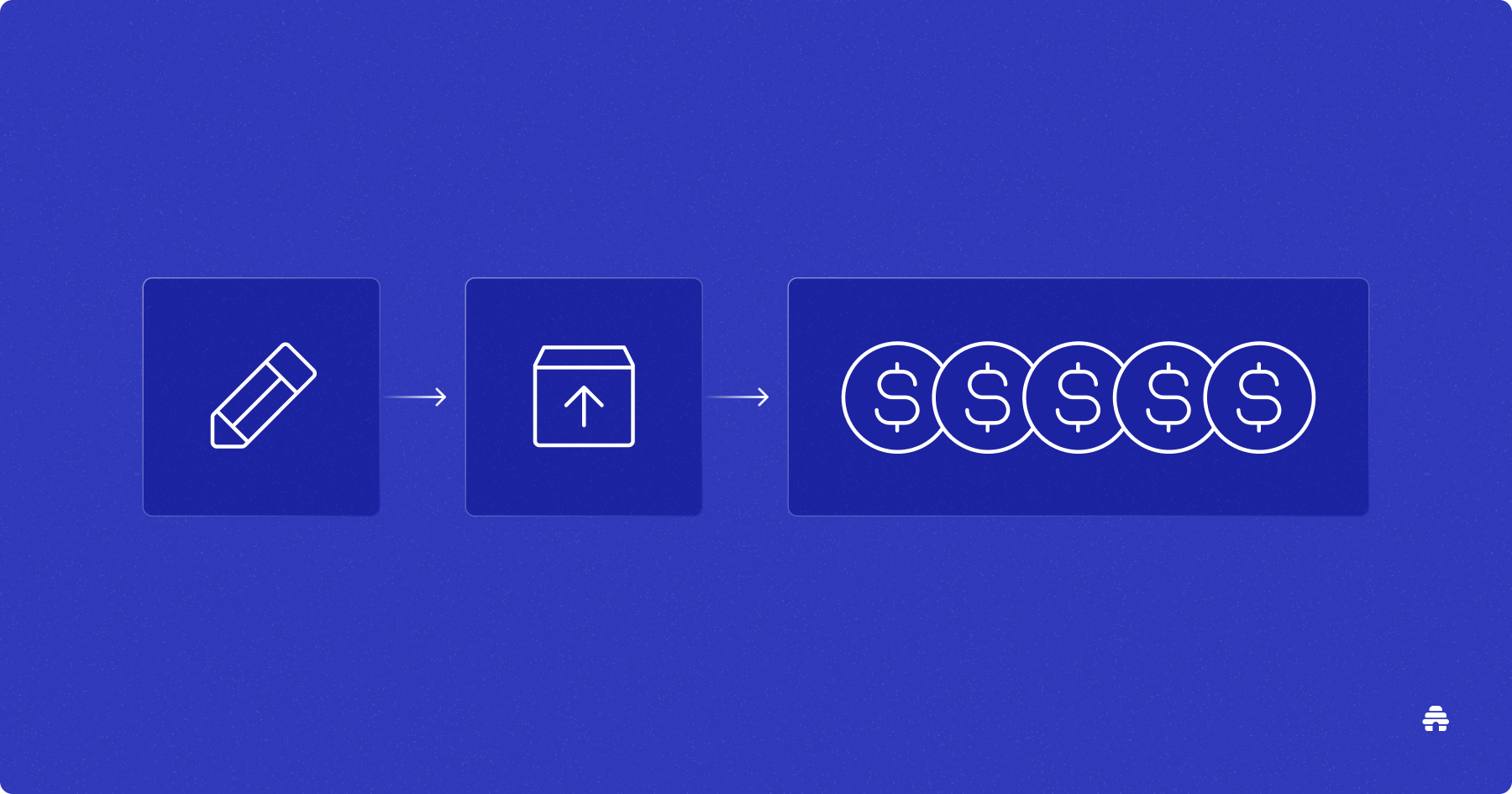
In case you missed the announcement, beehiiv's massive rollout of features presents some serious opportunities for creators to sell digital products and earn from their expertise. Ka-ching.
Tap into the booming world of digital products, earning from your knowledge and passion.
With beehiiv’s built-in digital product tools, you can connect to Stripe and instantly convert your newsletter audience's trust into sales.
This article provides a clear roadmap for selling digital products. Here's what to sell, where to sell it, and how to use beehiiv as your all-in-one solution.
Table of Contents
How To Sell Digital Products in 2026
Selling digital products is one of the most straightforward ways to earn from your content. Here’s how to build a product your audience actually wants and sell it to them.
Step 1: Find and Validate Your Product Idea
Start by looking at your skills, bandwidth, and audience. What do you enjoy creating and doing well? How much time do you have to give the project? What do people ask about most often?
Take note of digital products that are popular in your niche, but also look for gaps you can fill.
Once you have an idea, validate it. You can do this by polling your newsletter subscribers, asking questions on social media, or even pre-selling the product to gauge interest.
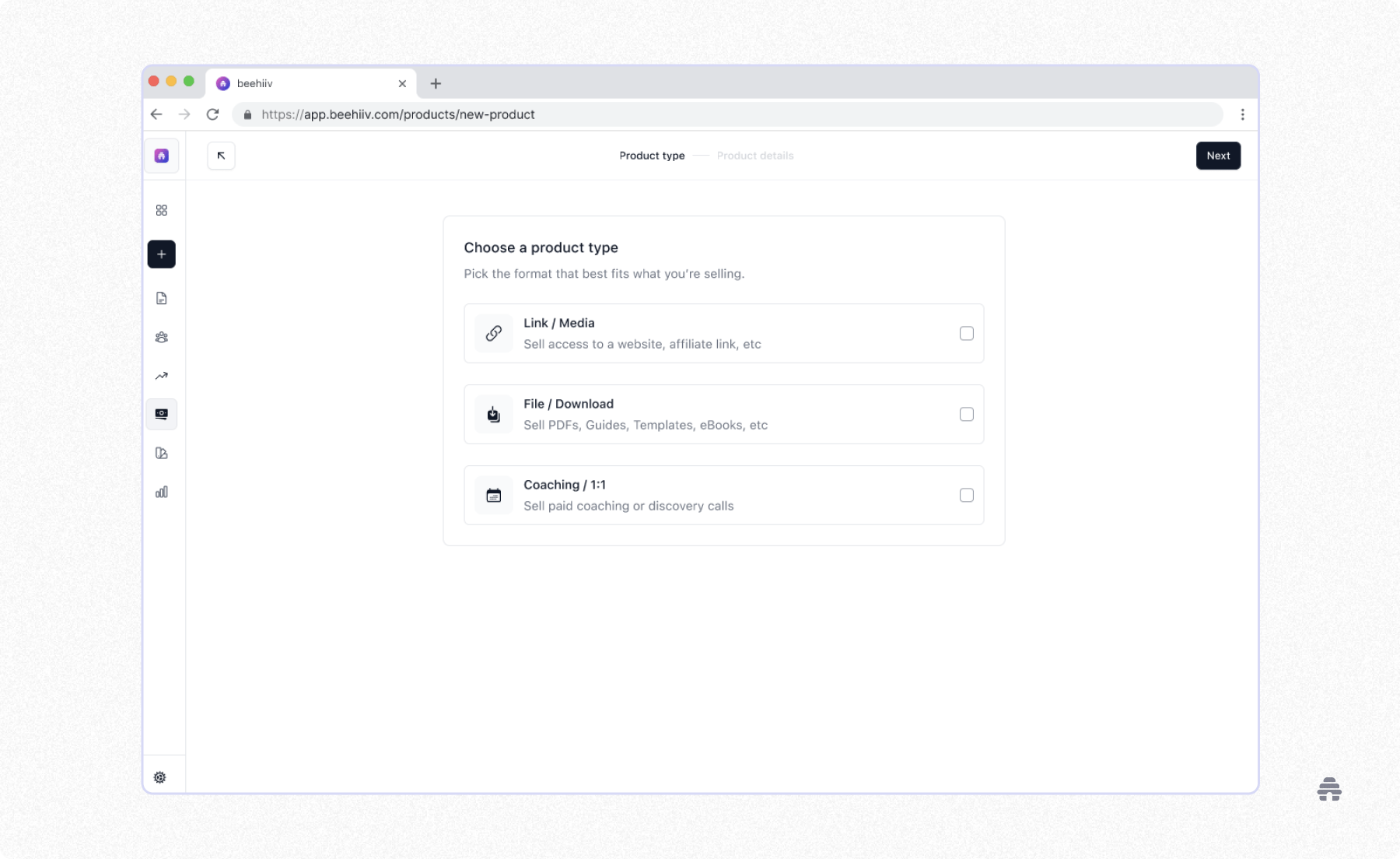
Step 2: Choose the Right Platform To Sell
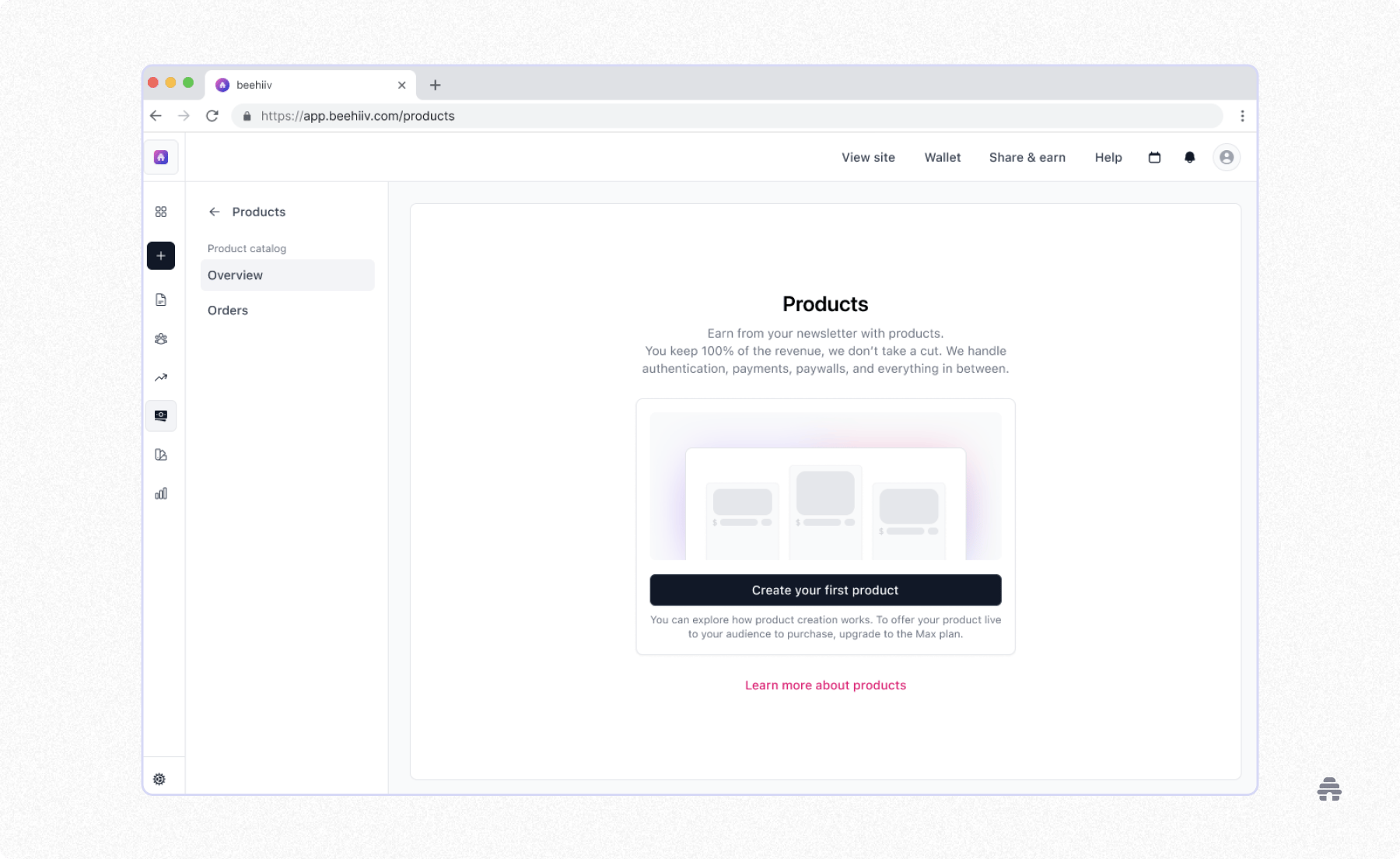
Your sales platform is your digital storefront. While many options exist, you want one that makes the process simple for you and your customers. Platforms like Gumroad and Podia are popular choices designed for creators to sell digital goods.
However, there’s no need to stitch together multiple tools. If you're building an audience with a newsletter, beehiiv offers an all-in-one solution.
With beehiiv paid plans, you can create a beautiful landing page for your product, set up an automated email funnel to nurture leads, and collect payments through Stripe — all in one place. This integrated workflow saves you time and simplifies your tech stack.
Step 3: Build Your Sales Funnel With Your Newsletter
Your email list is your most powerful sales tool. Unlike social media, you own your audience and can communicate with them directly. A simple sales funnel using your newsletter can drive consistent revenue.
Imagine a writer who creates an eBook on freelance writing. They can promote it by sending their newsletter subscribers a three-part email series. The first introduces the text, the second shares a testimonial or free chapter, and the third delivers a limited-time offer.
Using beehiiv's automation features, you can build this entire sequence to run on autopilot . New subscribers who show interest in the topic can be automatically added to the funnel, creating a system that turns readers into customers while you focus on creating more great content.
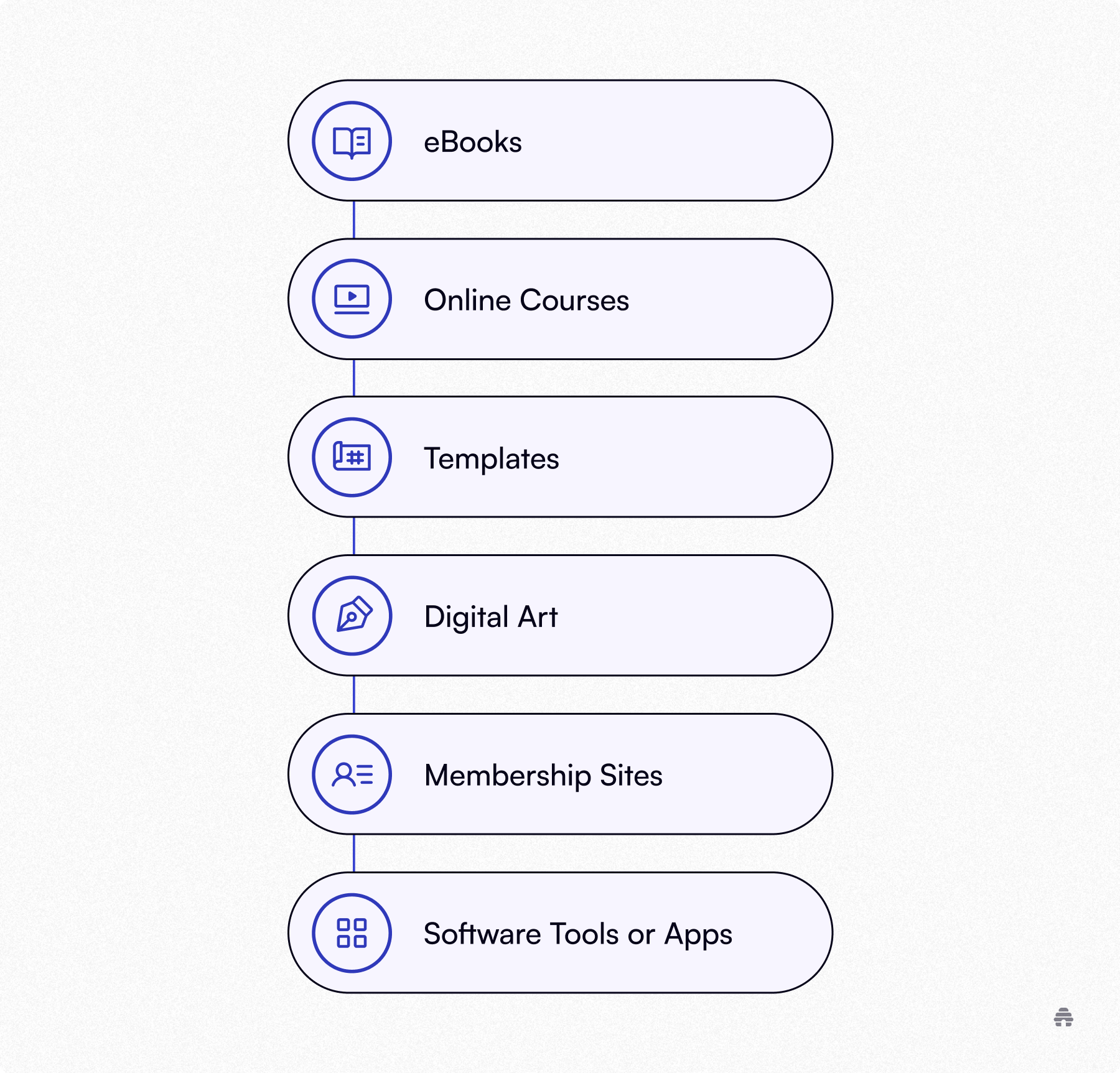
The Best Digital Products for Newsletter Creators To Sell
If you want to learn how to sell digital products and earn from your newsletter, choice is key. What digital product should you sell? You have valuable knowledge, but what’s the best way to package it?
eBooks: The Knowledge Blueprint
An eBook is a great way to package your expertise. Think of it as a deep-dive document that solves a specific problem for your reader- anything from a detailed guide to a short, practical workbook.
Ease: eBooks are very accessible. If you can write, you have the main skill needed. Tools like Google Docs or Canva make formatting simple without needing technical skills.
Competitiveness: The market is crowded. To succeed, your topic must be niche and your value clear. A book on "Instagram Reels for Coffee Shops" will do better than a generic "marketing" eBook.
Time Cost: A short guide can take a weekend, while a full ebook could take months. Once done, maintenance is minimal, making it a "create once, sell forever" asset.
Best Niches
eBooks shine in any niche where people value detailed, actionable information.
Business and Marketing: Guides on copywriting or SEO.
Health and Wellness: Fitness plans or recipe books.
Finance: Budgeting guides or investing plans.
Hobbies: Manuals on photography or gardening.
Online Courses: The Interactive Classroom
Online courses offer a structured learning experience, often using video, text, and quizzes. They guide students step-by-step, providing a more hands-on and transformative journey than an eBook.
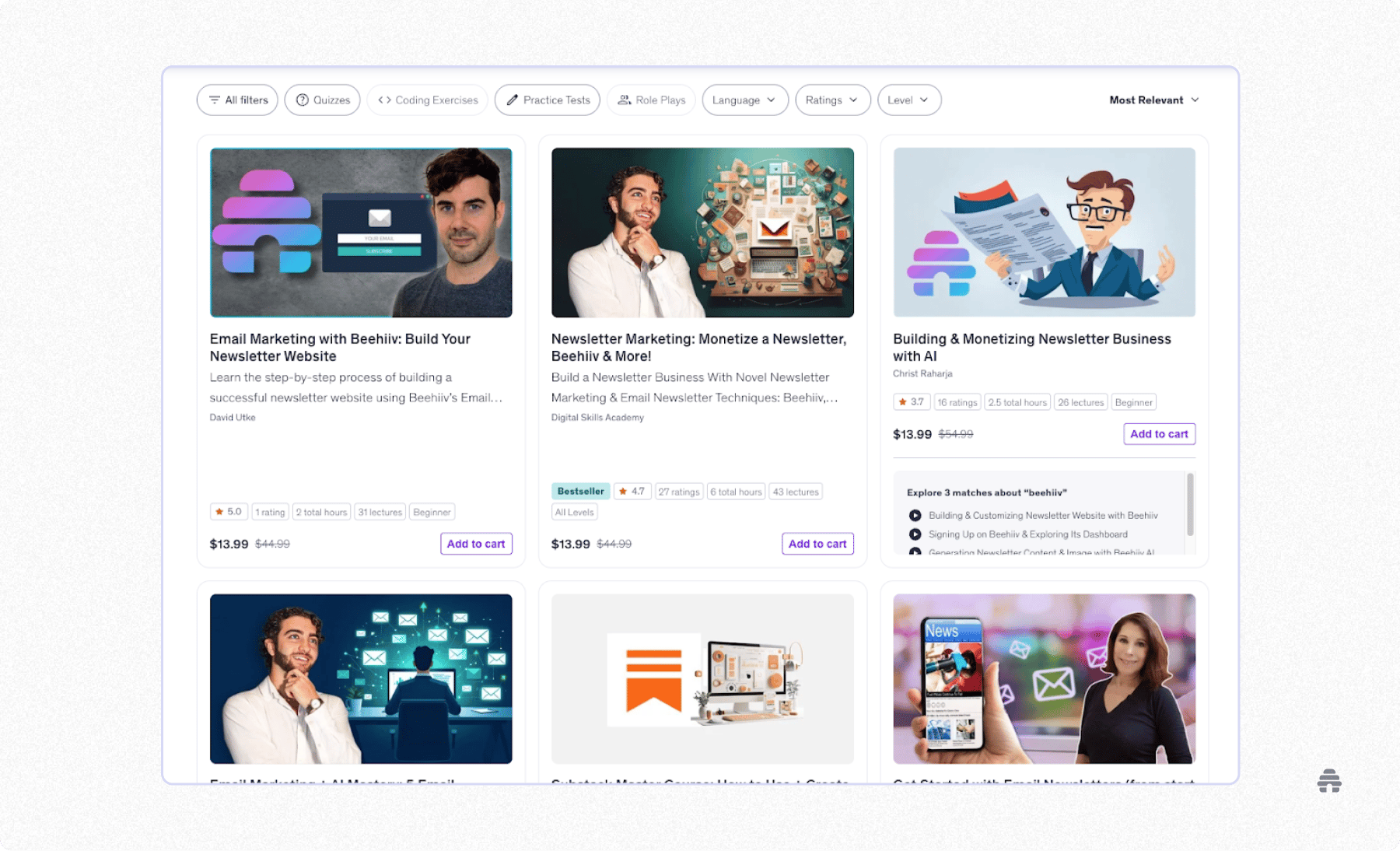
In addition to selling through your beehiiv website and newsletter, you can offer the course through dedicated e-learning platforms, increasing your reach.
Ease: Creating a course is a big project. It involves curriculum planning, scriptwriting, and video editing. The technical hurdles are higher than with other products.
Competitiveness: The market is less saturated with low-quality options because of the high barrier to entry. Customers will pay more for courses that promise a clear result.
Time Cost: Expect to spend 10-20 hours for each hour of content in your course. Maintenance is also a factor, as you may need to update videos and answer student questions.
You can also try offering a course by email, sending subscribers their next lesson on a regular basis.
Best Niches
Courses are ideal for topics that benefit from visual demos and structured learning.
Tech and Software: Tutorials on coding or design software.
Creative Skills: Courses on painting or video editing.
Professional Development: Training on public speaking or leadership.
Lifestyle and Personal Growth: Courses on productivity or cooking.
Templates: The Ready-To-Use Solution
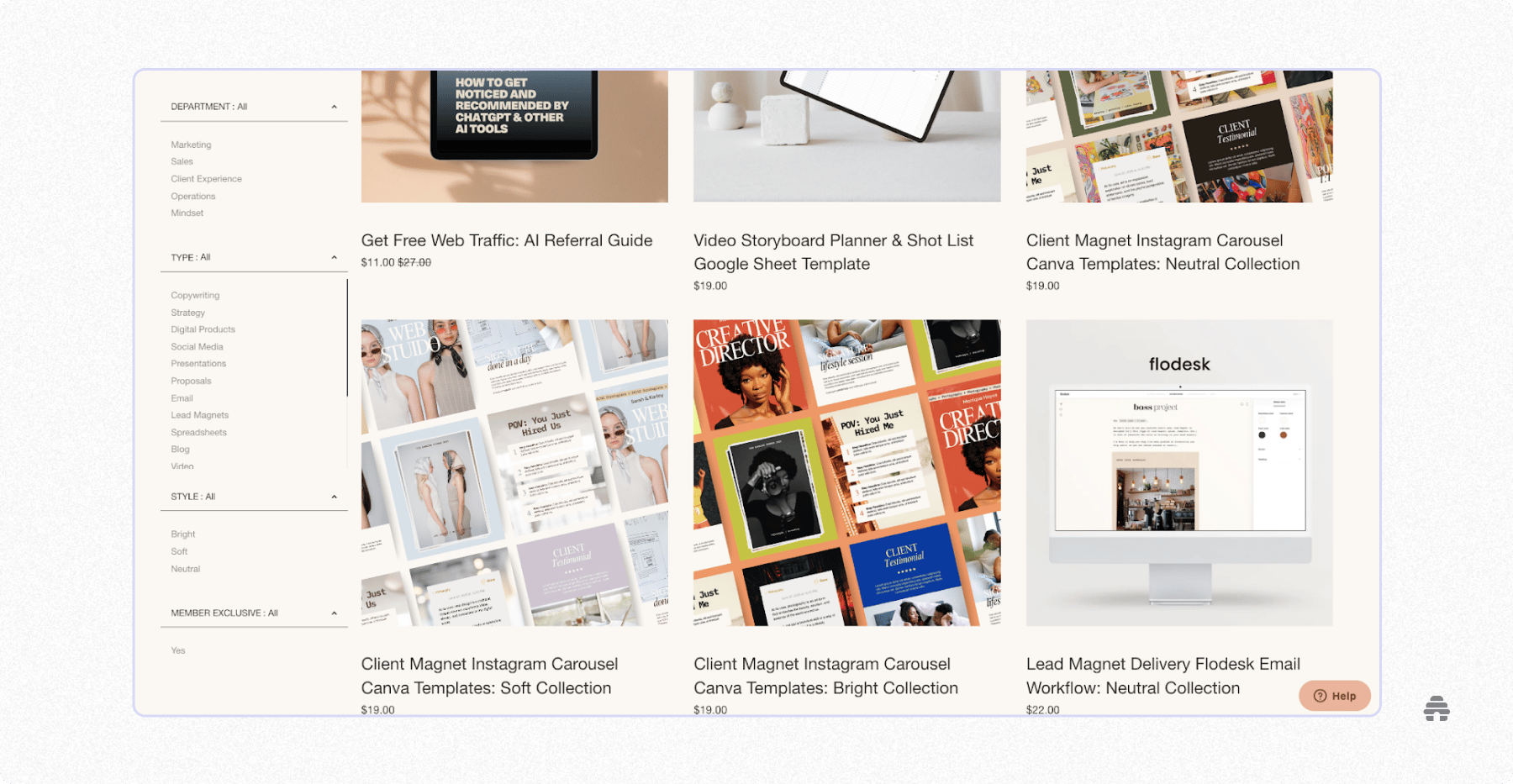
Templates are pre-made files that save customers time and effort. They offer a starting point for tasks like creating social media graphics or project management dashboards.
Ease: The difficulty depends on the software. Canva templates are straightforward if you have design skills, while complex Notion dashboards require special expertise.
Competitiveness: The template market is booming. The key is to find a repetitive task that people in your niche dislike doing. Because the price is often lower, success depends on volume.
Time Cost: A simple template pack might take 10-20 hours. Maintenance is low, but you may need to offer customer support or update files when software changes.
Best Niches
Templates shinewhere people want professional results quickly.
Design and Branding: Social media graphics and brand kits.
Productivity: Notion dashboards and spreadsheet trackers.
Business Operations: Email scripts and invoice designs.
Web Development: Website themes and landing page templates.
Digital Art: The Creative Expression
Digital art includes any creative work sold online, like illustrations, photo presets, or custom fonts. You are selling your unique artistic talent and style.
Ease: This depends entirely on your artistic skill. If you are already a skilled illustrator or photographer, it's a natural extension of your craft.
Competitiveness: The market is trend-driven and crowded. Success hinges on developing a unique style that connects with a specific audience. People are buying your vision.
Time Cost: The time can vary from a few hours for a simple illustration to days for a complex piece. Like eBooks, these products require very little maintenance once created.
Best Niches
Digital art thrives in visual niches where people value aesthetics.
Photography and Content Creation: Lightroom presets, stock photos, and Photoshop actions.
Graphic Design: Custom fonts and icon packs.
Planning and Organization: Digital stickers and planner pages.
Personal Use: Printable wall art and phone wallpapers.
Membership Sites: Building Community and Recurring Revenue
Membership sites let you offer exclusive content, resources, or community access for a recurring fee. You gain predictable income and a deeper relationship with your audience.
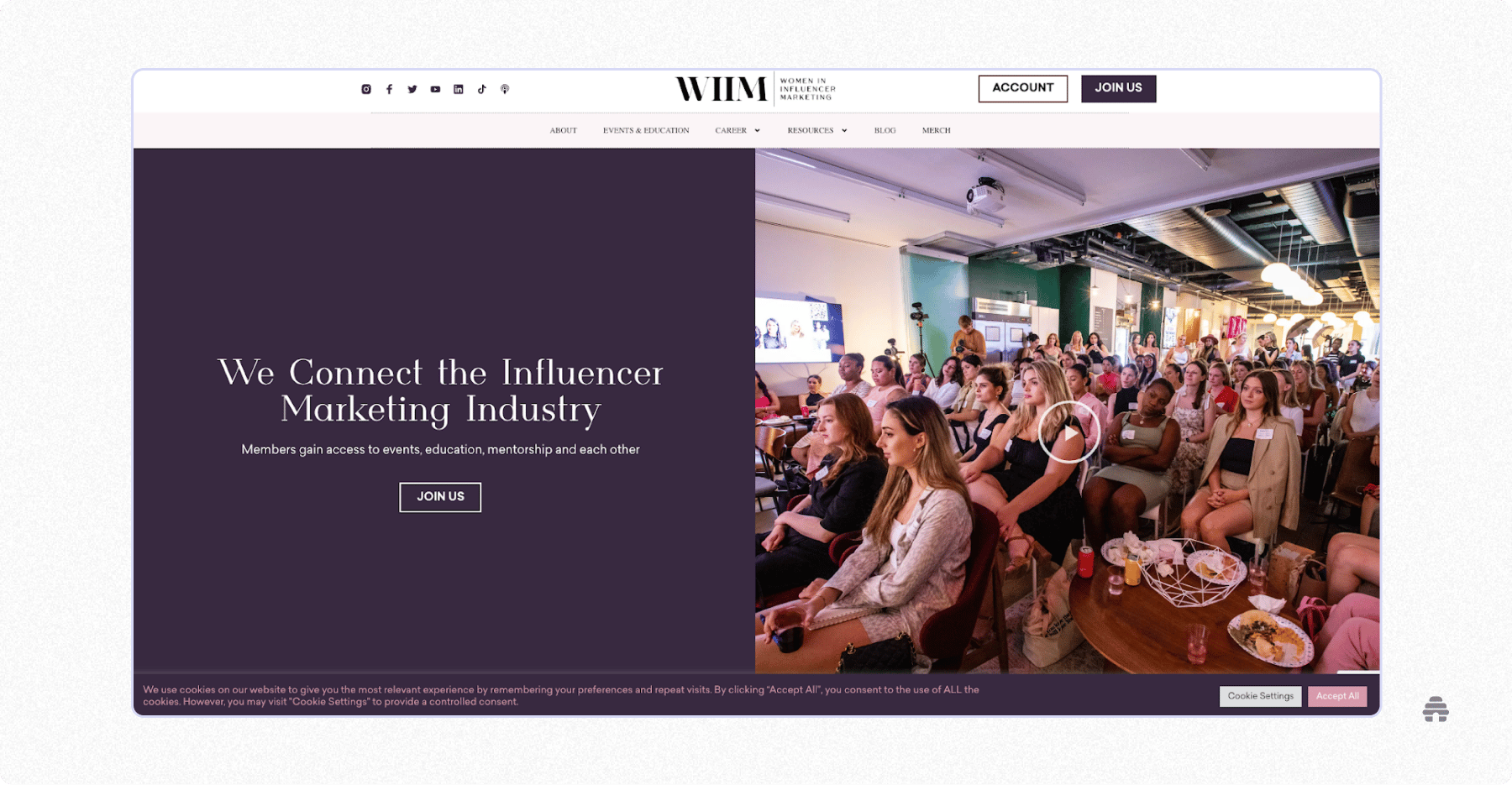
You don't need a huge paid audience to earn with your community. Jessy Grossman has fewer than a thousand members in Women in Influencer Marketing, but the $500/year price tag adds up nicely.
Ease: Setup depends on your vision. Managing members and delivering value on a regular schedule takes planning and engagement.
Competitiveness: Significant competition exists, especially in popular niches. The best sites focus on unique value, strong community, or premium access that others can’t match.
Time Cost: Expect initial setup to take several weeks or more, with ongoing effort needed for content, moderation, or live events.
Best Niches
Membership sites thrive where people want ongoing support, learning, or networking.
Education and Coaching: Private learning groups, ongoing courses, mastermind communities.
Hobbies and Interests: Book clubs, fitness groups, creative workshops.
Professional Development: Industry networks, resource libraries, exclusive job boards.
Software Tools or Apps: Automating Solutions for Your Audience
Creating and selling software or mobile apps offers scalability and can solve pain points in ways content and templates can’t. This route appeals to tech-savvy creators aiming to build proprietary solutions.
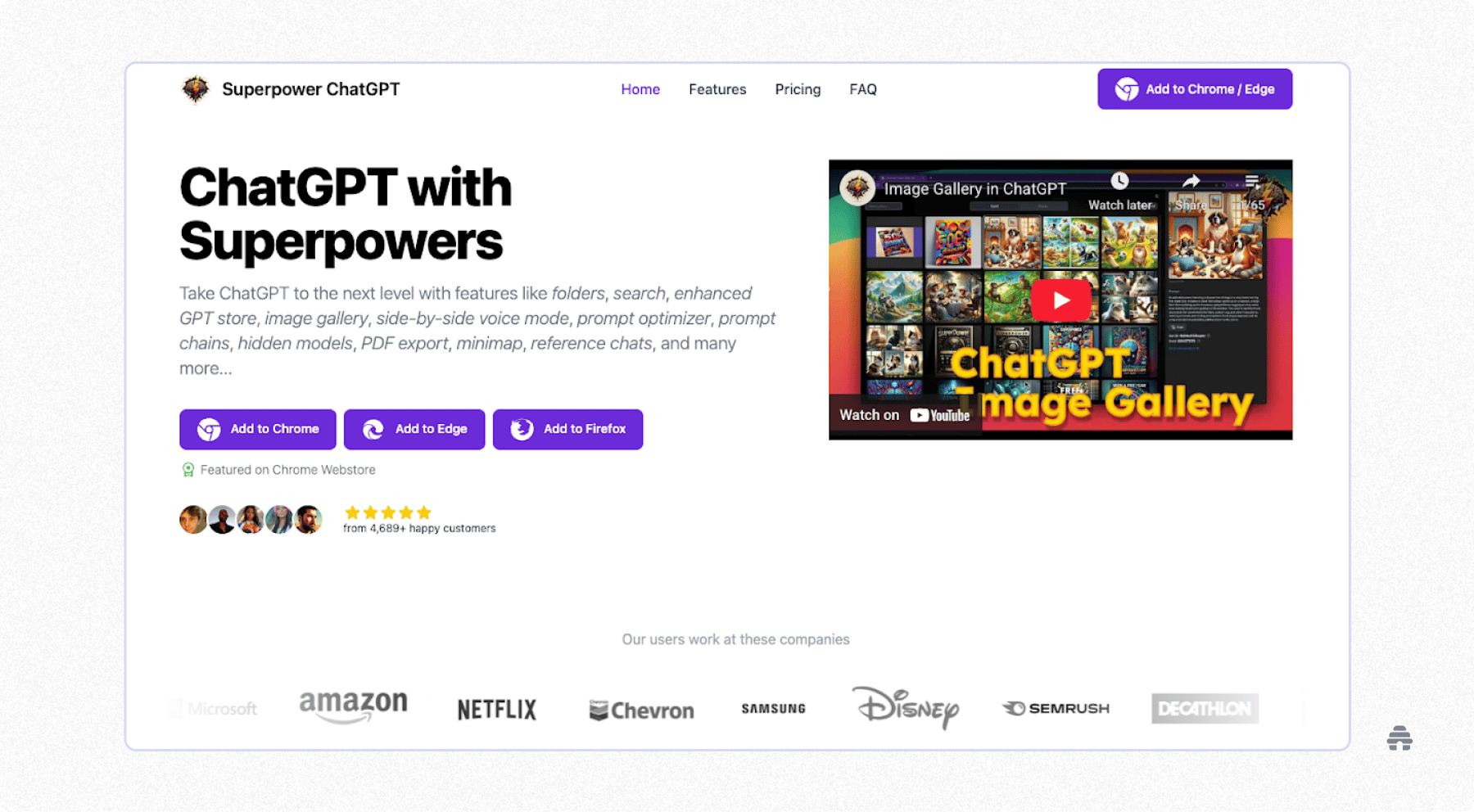
Take Saaeed Ezzati, who offers a free newsletter, Superpower Daily, covering the hottest AI news. Not surprisingly, many of his readers are eager to give his ChatGPT extension a try.
(Not a developer? Me neither. You can still add some tech-related dollars through newsletter affiliate marketing.)
Ease: Building software requires coding skills or a team of developers, plus UX/UI design and bug testing. No-code tools lower the barrier but still involve a learning curve.
Competitiveness: The software market is saturated, but a well-targeted tool that clearly solves a real problem stands out. Niche solutions can be more successful than broad ones.
Time Cost: High upfront investment—often several months or more. Ongoing maintenance is required for updates, bug fixes, and support.
Best Niches
Software and apps shine where automation, analytics, or productivity are valuable.
Productivity & Organization: Task managers, note-taking apps, workflow automations.
Creative & Design: Photo editors, font generators, design tools.
Industry-Specific: Tools for marketers, agencies, educators, or other verticals.
What I’m Looking for in a Digital Product Selling Platform
The right platform should save you time and help you with how to sell digital products and earn revenue.
Above all, look for a platform that helps you build and own your audience, rather than just renting space on a crowded marketplace.
Easy Setup & Fast Automation
When you're ready to sell, you don't want to spend days wrestling with complicated software. The less time you spend on technical hurdles, the more time you have for the fun stuff.
This is where an all-in-one platform shines. With beehiiv, you can create a website, add a newsletter, upload your product, set a price, and create a checkout page in minutes.
You could patch together different third-party tools for landing pages, payments, and email. But why would you want to?
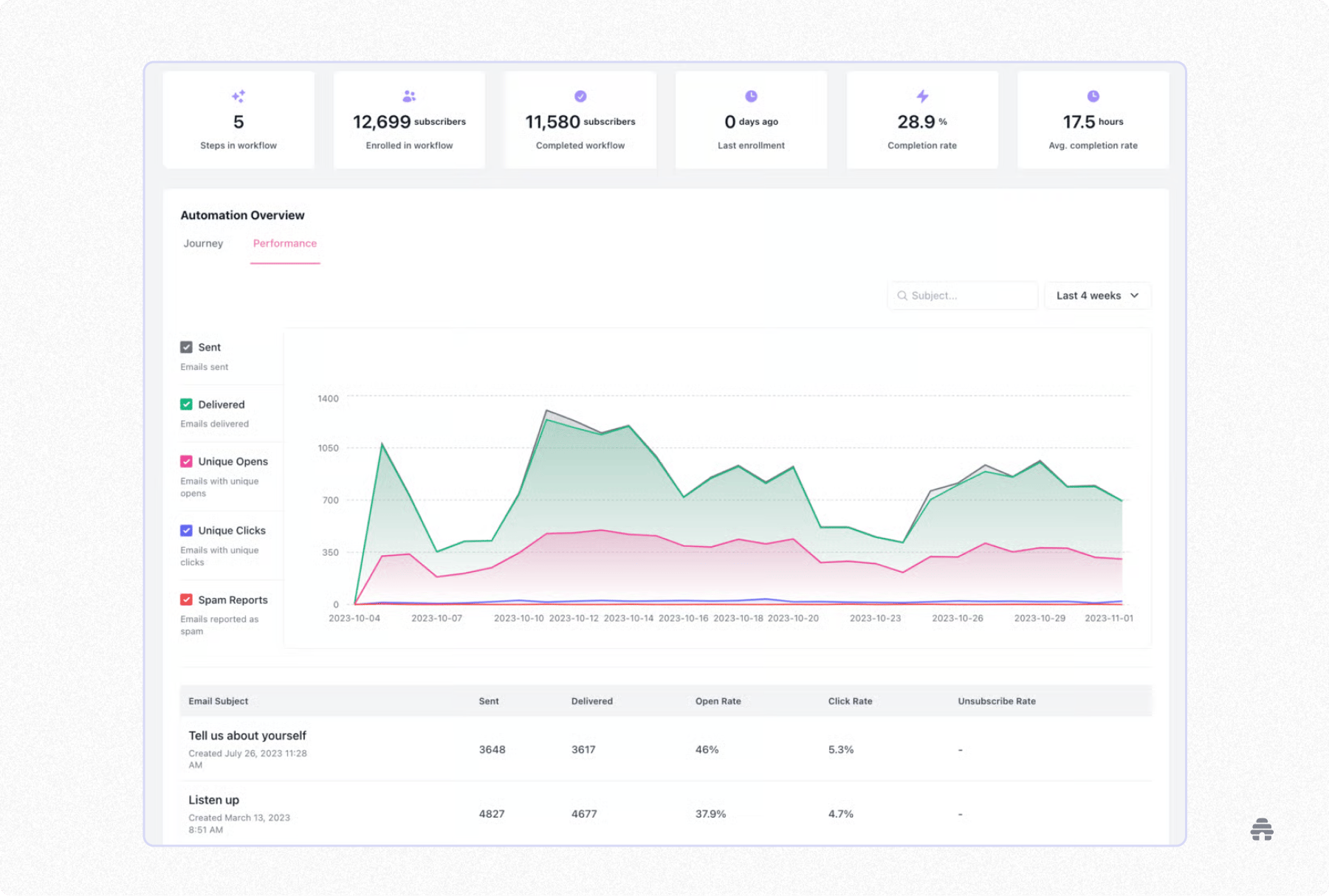
beehiiv also lets you automate key communications, staying in touch with your customers and providing the information they need.
Payment Processing & Fees
How you get paid matters. Hidden fees and slow payout schedules can quickly eat into your profits and create cash flow problems. It’s important to understand the transaction fees, subscription costs, and how quickly you can access your earnings.
Look for transparent pricing. beehiiv integrates directly with Stripe, giving you access to low processing costs and complete ownership of your revenue.
Keep more of the money you earn.
Marketing & Audience Growth
Selling a product is only half the battle. You also need a way to market it. While social media is useful for discovery, email marketing delivers better results for nurturing and engaging an audience.
Building an email list gives you a direct line to your most engaged followers, allowing you to nurture relationships and drive sales.
With beehiiv, you can grow your list and build automated funnels that turn new subscribers into customers.
Product Delivery & Security
Your relationship with a customer doesn't end at checkout.
A clunky or unreliable delivery process can damage trust and lead to refund requests. File protection is also crucial to prevent unauthorized sharing of your hard work.
A dependable platform handles this for you. beehiiv manages secure file hosting and automates delivery as soon as a purchase is confirmed.
This ensures your customers get what they paid for right away, building confidence and protecting your digital assets without any extra effort on your part.
Who Is Crushing It Right Now Selling Digital Products?
Theory is great, but seeing creators turn their passion into profit is even better. These experts are using their newsletters to build incredible businesses. They’re gaining subscribers and selling digital products that their audiences love.
These examples show how to sell digital products. This is what's possible when you combine valuable content with the right tools.
Brandon Storey: How He Built a $250K Business on beehiiv
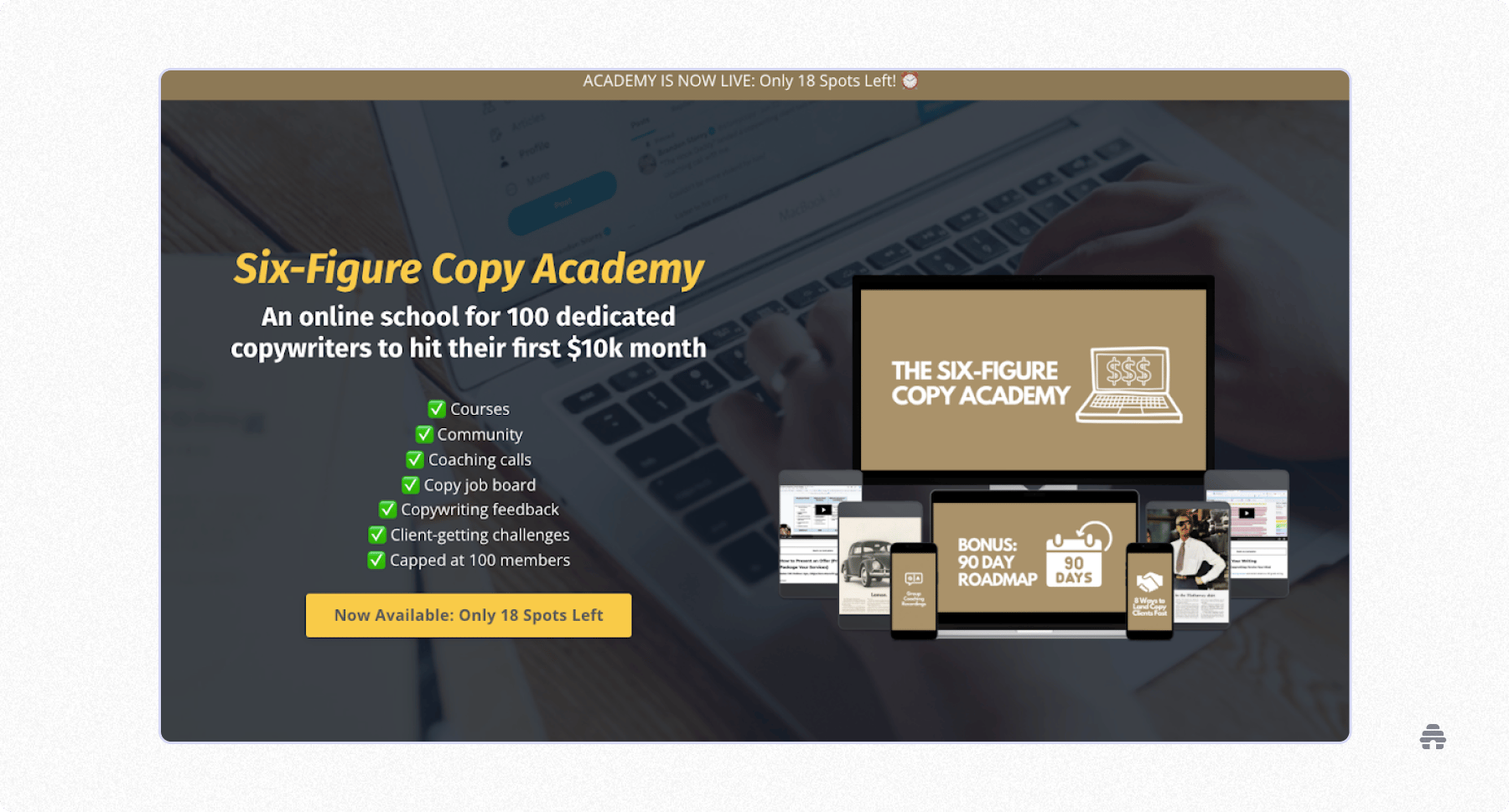
Brandon Storey, creator of Storey Time, started by growing his newsletter for aspiring copywriters. Then, he began offering selective services: one-on-one and group coaching sessions.
He realized that many of his readers wanted help but weren’t ready to commit to coaching.
So he developed his digital product ladder, creating a free newsletter and tiered online courses with different prices and focuses.
He launched The Six-Figure Copywriter course first. This self-paced flagship course is designed around the top challenges new copywriters face — writing high-performing copy, landing clients, and building consistent income.
Brandon built on this success with The 30 Day Copywriter, a low-ticket course for beginners. He also offers upsells like a Niche Mastery Toolkit.
The proof is in the results. By combining valuable content, a clear offer progression, and the power of beehiiv, Brandon turned his newsletter into a $250,000 business in less than two years.
Linda Hwang: Creating Profitable Digital Products
Linda Hwang transformed her content experience into a profitable business by focusing on an audience-first strategy. She set out to build trust and provide value, then capitalized on the interest she generated.
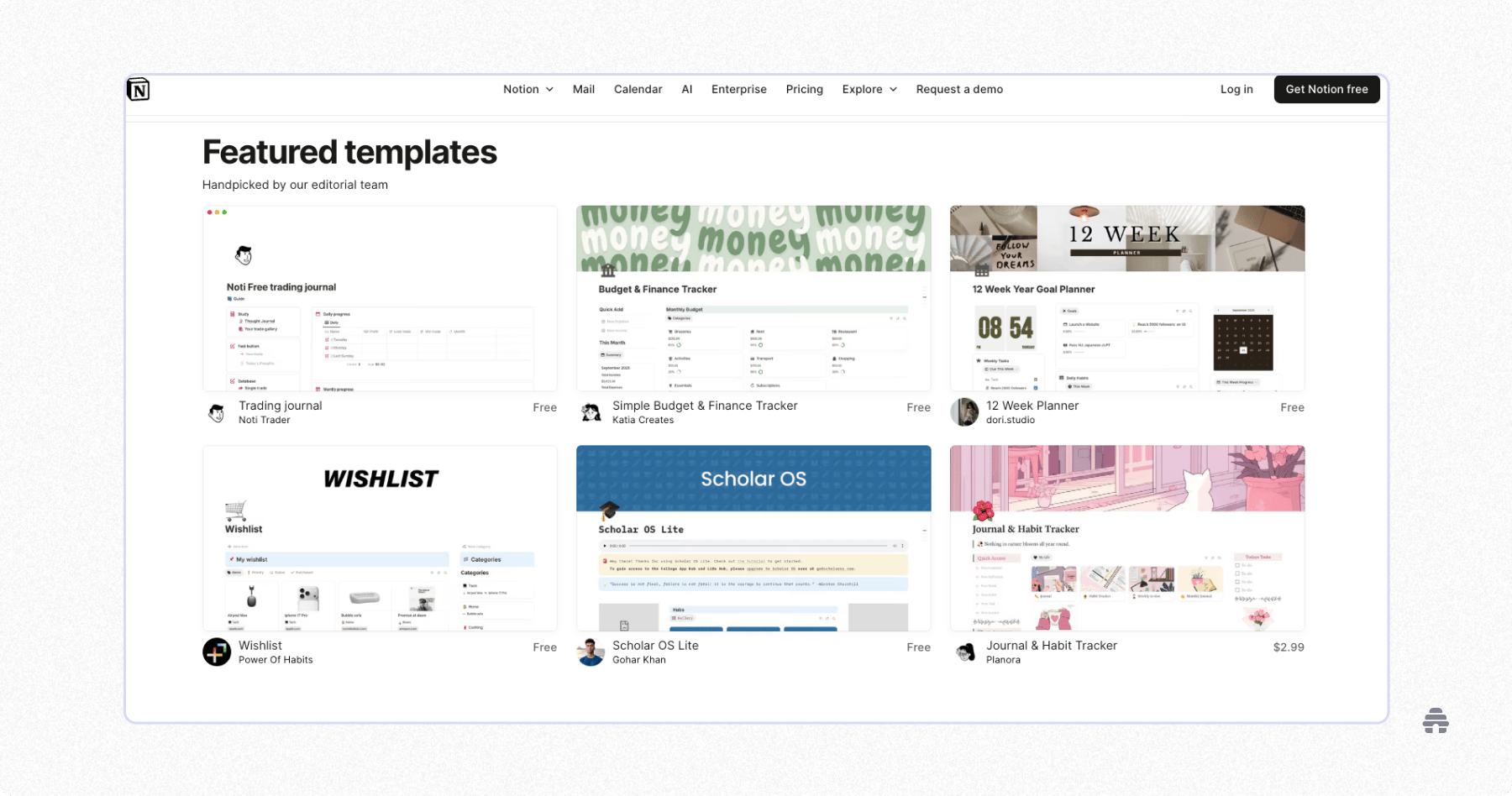
Linda listened to her audience's needs and created simple, targeted solutions. She started by selling a $15 Notion template that solved a specific problem her readers were asking about.
This initial success validated her approach and led to the creation of a product ladder, including a $40 template bundle and a $90 mini-course. This allowed her to meet customers at different price points and stages of their journey.
She uses beehiiv as the engine for her entire business, leveraging the platform's intuitive tools to grow, refine, and earn.
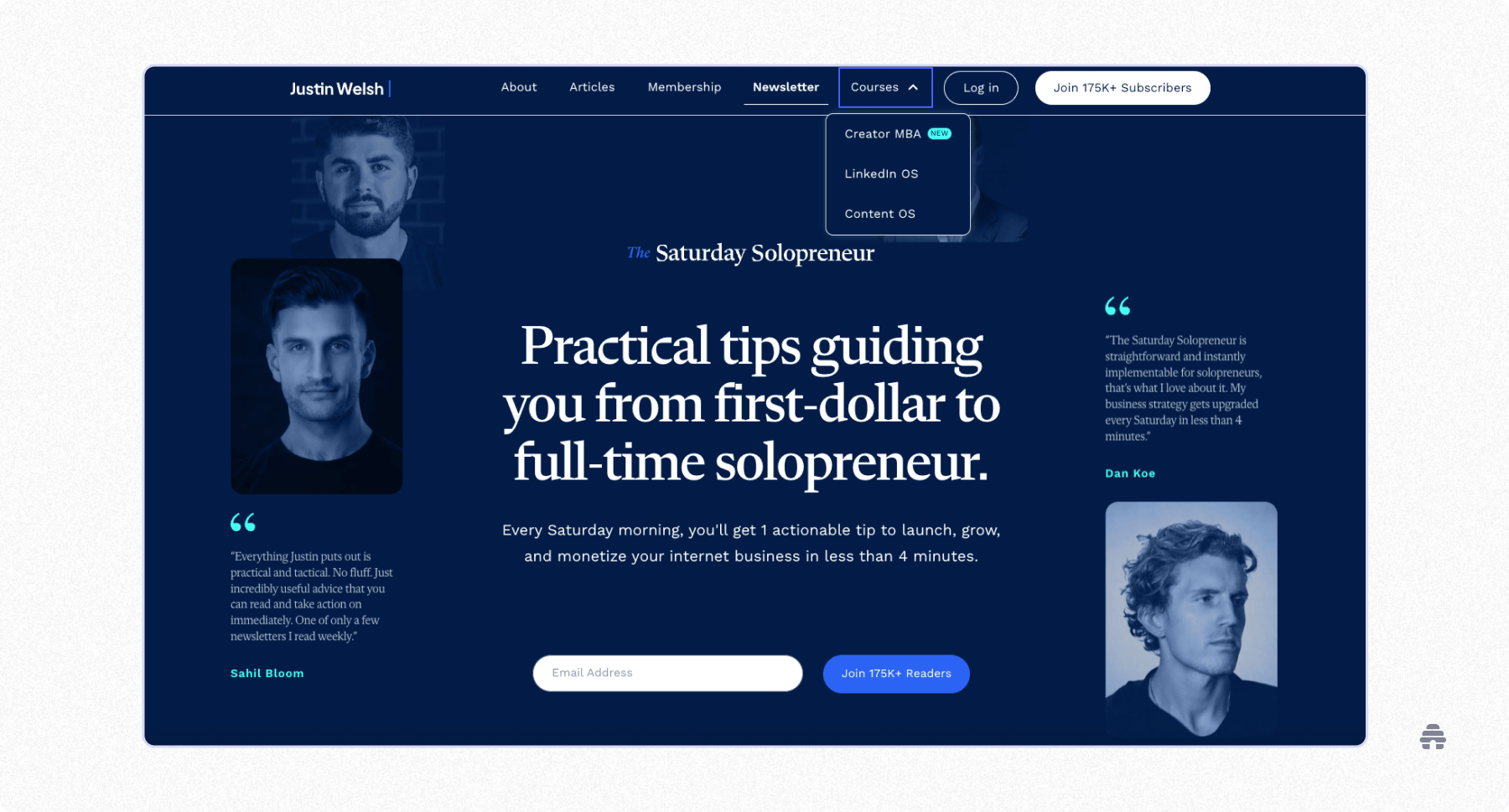
Justin Welsh is a masterclass in turning a massive social media following into a thriving digital product business.
The Saturday Solopreneur has over 180,000 newsletter subscribers, and Welsh has capitalized on this attention and his expertise in growth marketing to create valuable memberships and courses.
His growth strategy revolves around a powerful synergy between his social media- LinkedIn and X (formerly Twitter)- and his newsletter. He uses his social channels to attract a large audience and then funnels them to his newsletter.
Justin’s primary revenue driver is his $150 courses, which have sold to over 23,000 customers, generating more than $2.5 million in sales.
The takeaway: With a loyal audience, you can build a highly profitable business around low-cost, high-value digital products that scale.
Harry Dry: Building a Business on Value and Community
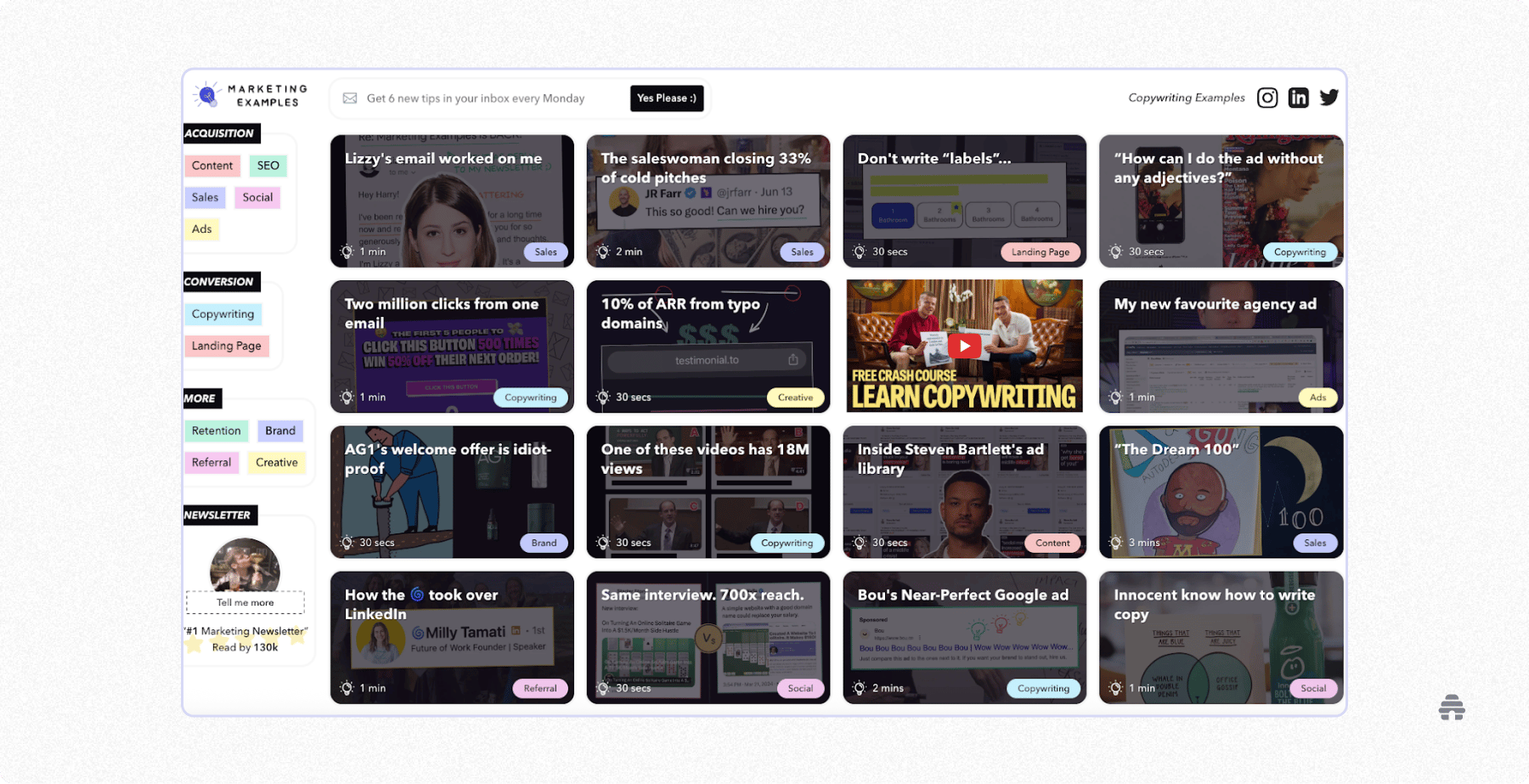
Harry Dry, the one-man force behind Marketing Examples, demonstrates the power of community and content distribution. With over 120,000 subscribers, he has built a profitable brand by providing immense value first and promoting second.
His strategy is rooted in genuine engagement. Harry actively participates in online communities on platforms like Reddit and Indie Hackers. He shares valuable content before ever mentioning his newsletter.
Marketing Examples generates an estimated $600k to $1 million annually through a mix of sponsorships and high-ticket coaching calls priced at $900.
By focusing on becoming a genuine member of each community he serves, Harry has built a loyal following that trusts his recommendations and is willing to pay for his expertise. He is also exploring online courses to further expand his digital product offerings.
David Thurin: From 5M Followers to a Profitable Owned Audience
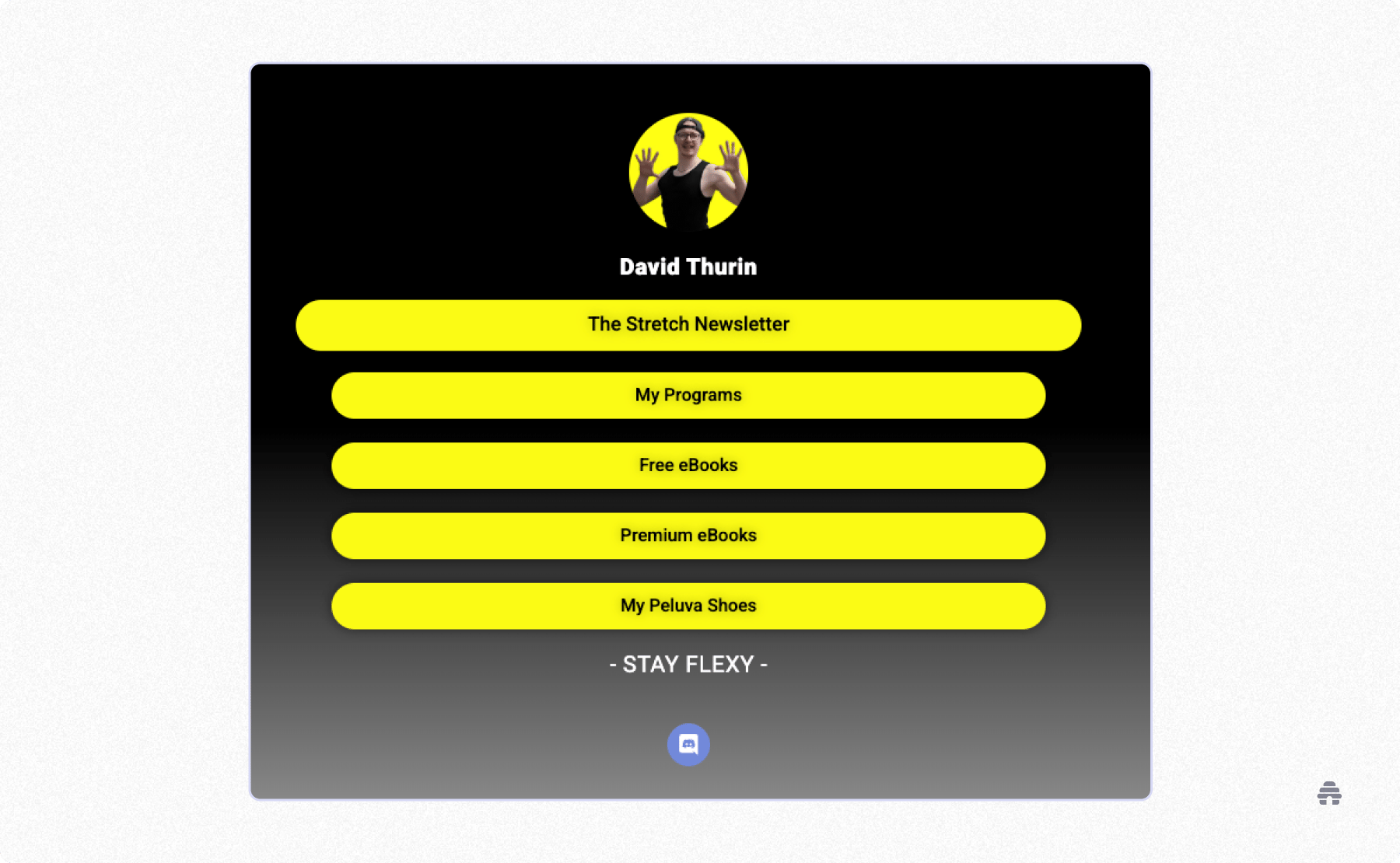
David Thurin had a massive social media following, but he knew attention alone wouldn’t generate revenue. He launched The Stretch newsletter to build a deeper connection with his most engaged audience members and create a business he could control.
In just eight months, he converted his social media fame into over 100,000 email subscribers.
His strategy was to offer immense value upfront. He created free, targeted lead magnets — like eBooks with protocols for hip or shoulder mobility — that solved specific problems for his audience.
By promoting these guides on his YouTube and Instagram channels, he created a powerful funnel that turned casual viewers into loyal subscribers.
David earned with his newsletter by selling premium flexibility and mobility programs. This approach was highly effective because the products were a natural next step for an audience that subscribed to improving their health.
Using beehiiv's growth tools and analytics, he was able to scale quickly and build a revenue stream that outpaced his YouTube AdSense earnings.
What I Avoid When Selling Digital Products
When choosing tools for your digital products, prioritize ownership, simplicity, and scalability.
But knowing what to watch out for is just as important as knowing what to look for. Here are a few red flags to avoid when deciding where to sell digital products.
Platforms That Rent Your Audience
Some platforms and marketplaces are great for getting initial eyeballs on your product. However, they often come with a major catch — you don't own the customer relationship.
These platforms control the data, making it nearly impossible to build a direct connection with your buyers.
This structure limits your ability to upsell other products or build a loyal community. You are essentially renting an audience instead of building an asset.
For example, a creator who sells a popular course on a marketplace might never get the chance to sell a follow-up workshop to their students because the platform owns the email list.
Want to learn how to sell digital products online for free?
Me too. There’s always some investment required, whether it’s for the right tools or even just the time creation takes.
But you can minimize the bites taken out of your slice of the pie.
Profitability is about more than just your sale price. Platforms with complicated fee structures or delayed payout schedules can seriously impact your bottom line.
Imagine launching a product and seeing great sales, only to realize a huge chunk of your earnings is eaten by hidden transaction costs.
Worse yet, some platforms hold your money for weeks or even months. This can create major cash flow issues, especially for creators just starting out.
Look for platforms that offer transparent pricing and quick, reliable access to your money.
Complicated, Disconnected Tools
Your time is valuable. Spending hours trying to connect a separate landing page builder, payment processor, and email marketing service is a recipe for burnout. This "duct tape" approach often leads to broken workflows and a poor customer experience.
When a customer buys your product, the delivery should be instant and seamless. If your tools don't communicate well, you could end up manually sending files, which hurts your credibility.
Why beehiiv Is the Best Platform To Sell Digital Products
Choosing the right platform is the key to turning your knowledge into income. A successful strategy involves finding a great idea, building a sales funnel, and choosing a platform that supports your growth.
A truly integrated solution can make all the difference. That’s where beehiiv paid plans come in.
beehiiv stands out by merging all things digital sales and email marketing into a single, powerful system.
This unified approach saves you time and gives you unmatched control. With beehiiv, you own your audience, your design, and your revenue. You have everything you need to build a thriving digital business on your own terms.
So tell me — what do you want to sell? I'll bet you that beehiiv can handle it. Give it a try with a free trial of the platform's most powerful plan.

Why Trust Me
I'm an experienced digital marketer and content creator, constantly searching for the best practices and hottest trends in this fast-paced world.
FAQ
How Can I Start Selling Digital Products?
It’s easier to learn how to sell digital products than you might think. Identify a common problem your audience has. Create a digital product that solves that problem — like an eBook, template, or mini-course.
Then choose a platform like beehiiv to host your product and start promoting it to your audience.
Is It Profitable To Sell Digital Products?
Yes, selling digital products can be very profitable. The biggest advantage is that you create the product once and can sell it an unlimited number of times without any inventory or shipping costs. This leads to high-profit margins.
Of course, your success will depend on the quality of your product and your ability to reach the right audience.
What products can be sold digitally?
A wide variety of products can be sold digitally. Some of the most popular include:
eBooks and workbooks
Online courses and workshops
Templates (for social media, Notion, spreadsheets)
Digital art, illustrations, and photo presets
Software tools and apps
Membership sites with exclusive content
What Is the Hottest Product To Sell Online?
While trends change, products that save people time or teach them a valuable skill are always in high demand.
For example, the e-learning services global market was recently estimated at almost $300 billion.
Can You Sell Digital Products on Etsy?
Absolutely. There are plenty of Etsy shops doing just that.
Where Are People Going Instead of Etsy?
Creators looking for more control and lower fees are building their own websites on all-in-one platforms like beehiiv.
These platforms allow you to build your audience and sell directly to them. Build a stronger brand and customer relationships without getting lost in a crowded marketplace.
What Is the Easiest Stuff To Sell Online?
Templates and short eBooks are often the easiest digital products to create and sell. They require less upfront time than a full online course but can provide immediate value to your customers.
How do I create a digital product to sell?
To create a digital product to sell, start by identifying a specific problem your audience wants solved, then choose a format you can produce, such as an ebook, template, or course. Build a simple first version with tools you already use, set up a platform that handles payment and instant delivery, and promote it to your existing audience first. Keep the initial product focused and improve it based on buyer feedback.
What are the best digital products for beginners?
The best digital products for beginners are ebooks, templates, printables, and mini email courses. They require no inventory, cost little to create, and use skills most people already have. Templates and printables are especially beginner-friendly because they solve a clear problem and can be made in tools like Canva or Google Docs in a single afternoon.
How do I make digital products from scratch?
To make a digital product from scratch, pick one problem your audience has, decide on the simplest format that solves it, and build a first version using free or low-cost tools. Focus on usefulness over polish for version one. Once it is built, connect it to a checkout that delivers the file automatically, then sell it to your existing followers and refine it from there.
Related Articles


The one place to build.
Get beehiiv updates delivered directly to your inbox.
By subscribing you agree to our Privacy Policy and provide consent to receive updates from our company.