- Home
- Posts
- How Podcasters Are Earning 3x More With Two Revenue Streams
How Podcasters Are Earning 3x More With Two Revenue Streams
The Podcast Monetization Platforms Worth Your Time in 2026

Linda Hwang
May 21, 2026


How much podcast revenue are you leaving on the table because your podcast monetization platform isn't built for how creators actually earn in 2026?
I ask because I've lived this conversation more times than I can count.
A podcaster pours themselves into a show every week. People listen, share episodes, and send messages saying it changed how they think about something. The connection is genuine.
Then, the bank statement arrives, and none of that shows up in the numbers.

Here's what the data shows:
The global podcasting market is on track to exceed $100 billion by 2028, yet the average independent podcaster still earns under $500 a month.
Over 60% relying solely on dynamic ad insertion say their earnings swing so unpredictably that budgeting feels pointless.
Creators running two or more revenue streams consistently earn 2–3x more annually than those betting everything on one channel.
Here's what I keep coming back to: it's rarely the show.
The problem is almost always the setup: ads on one platform, a premium feed bolted onto another, a Patreon link in the show notes that maybe ten people have ever clicked. Each piece made sense when added, but together they don't add up to much.
If this is starting to feel like something you can fix, that's exactly the right instinct.
Table of Contents
The Worst Podcast Monetization Platforms for Long-Term Growth
Can You Really Afford To Let a Platform Control How Your Podcast Earns?
What a Podcast Monetization Platform Really Is in 2026

Before we go any further, let's clear something up. This confusion costs podcasters real money.
Hosting, distribution, and monetization are three different actions. Mixing them up is one of the most expensive mistakes I see creators make.
Hosting is storage and RSS.
Distribution gets your feed onto Apple Podcasts, Spotify, and everywhere else.
Monetization is purpose-built around how you earn. Subscriptions, premium feeds, listener payments, sponsorship marketplaces – the best platforms give you full ownership of your audience and the data that comes with it.
Hosting and distribution are both necessary; neither is a business model.
I've watched talented podcasters blame their show for stalling when the real problem was a hosting tool masquerading as a monetization strategy.
How I Evaluated These Podcast Monetization Platforms

I've spent years sitting across from creators, literally and on Zoom calls, helping them untangle revenue problems that their platforms quietly created. Some of those conversations were exciting; a few were hard.
The podcasters I've worked with range from solo creators at 2,000 monthly listeners, figuring out their first paid tier, to branded shows pushing 80,000+ downloads, wondering why their income doesn't match their audience size.
That gap between audience and income is what got me obsessed with this aspect in the first place.
Here's the lens I brought to every platform on this list:
Revenue Flexibility: Can you run subscriptions, ads, and tips together, or does the platform quietly pick your business model for you?
Audience Ownership: This one matters most to me. Who owns your subscriber list and listener data? I've seen creators lose years of relationship-building because the platform held their data, and they couldn't take it with them.
Scalability: Do the economics improve as you grow, or do fees quietly eat more of your income the bigger you get?
Integration Depth: Can it connect to your email list, customer relationship management (CRM), or community platform? If not, you're running an elaborate tip jar.
Transparency: Are payouts predictable and fee structures upfront? A lot of creators I've spoken with only discovered the true take rate after they were already dependent on the platform.
Podcast Monetization Platform Comparison Table
Platform | Best For | Verdict | Revenue Models | Audience Ownership | Scalability | Watch Out For |
beehiiv | Creators combining newsletters + podcasts | ✅ Best Pick | Subscriptions, Ad network, Boosts | Full ownership | Excellent | Nothing significant, no revenue cut on subscriptions |
Supercast | Subscription-focused shows with existing hosting | ✅ Good Option | Premium really simple syndication (RSS) feeds, Subscriptions | Strong | Good | Needs separate hosting, adds a tool to manage |
Podbean | Mid-tier shows wanting all-in-one simplicity | ✅ Good Option | Dynamic ads, Premium feed, Listener tips | Good | Good | Ad rev share cuts in, less valuable at scale |
Patreon | Community-driven shows with loyal superfans | ⚠️ Use with Caution | Memberships, Tiers, Private RSS | Moderate | Moderate | 5–12% fees compound fast; platform owns the community feel |
Spotify for Podcasters | Supplementary ad revenue at scale | ❌ Avoid as Primary | Programmatic ads, Subscriptions (US only) | Weak | Algorithm-dependent | No subscriber export, earnings shift with algorithm changes |
Apple Podcasts Subscriptions | iOS-heavy audiences wanting a branded experience | ❌ Avoid as Primary | Subscriptions, Premium content | Vastly limited | Limited | 30% cut in year 1; almost zero listener data returned |
What Are the Best Podcast Monetization Platforms in 2026?
After digging into the options, below are the six platforms worth your serious consideration in 2026.
beehiiv

If you ask me, the platform I recommend most to creators who want their podcast to function as an actual business is beehiiv.
beehiiv started as a newsletter platform, but it's grown into something more interesting: a full monetization hub for creators who understand that audio and written content feed the same audience. Your podcast plugs directly into an email infrastructure built around subscriptions, paid content, and an ad network – no cold-emailing brands required.
The notion I keep coming back to is the no-revenue-cut model on subscriptions. What your audience pays, you keep. That's genuinely rare, and it adds up fast.
I've seen it work firsthand; one client moved from Patreon to beehiiv and watched paid subscriber revenue climb 40% in three months. The audience didn't change. What changed was that beehiiv's email sequences converted free listeners into paying members at a rate that Patreon's notification system never approached.
Best for: Creators who want subscriptions, newsletters, and ad revenue all working together in one place
Spotify for Podcasters

Spotify is the biggest podcast platform on Earth by listener volume; and for shows with a healthy audience, their ad marketplace can generate solid revenue through programmatic dynamic insertion without you managing a single sponsor relationship.
Here's my honest take, though: your audience ownership is thin. You're building on Spotify's terms, inside Spotify's interface, at the mercy of their discovery algorithm. When that algorithm shifts, and it will, your earnings move with it. I've seen it happen to shows that had no backup plan.
Use Spotify as a revenue channel; don't make it your foundation.
Best for: Established shows with 10,000+ monthly listeners who want ad income without running a full sponsorship operation
Apple Podcasts Subscriptions

Apple's subscription layer lets you offer premium content directly in the native app, which removes friction for iOS listeners who already have a payment method saved and trust the Apple brand. That trust signal is real, especially for older or less tech-forward audiences.
But here's what gives me pause: Apple takes a 30% cut in Year 1, and the listener data you get back is minimal. If owning a direct relationship with your paying audience is part of your plan, and it should be, Apple keeps you at arm's length from the people sending you money.
Best for: Shows with a loyal Apple Podcasts audience that wants a clean, low-friction subscription option and isn't relying on direct audience data to grow
Patreon

Patreon has been the go-to creator membership platform for nearly a decade, and its private RSS feed integration is still solid for shows built around genuine community. The tier system is flexible, familiar to those who have supported a creator online, and surprisingly good at converting superfans into monthly revenue.
That said, the platform fees between 5% and 12% compound uncomfortably as you scale, and I've seen something happen more than once where Patreon's community features start pulling your audience's attention toward the platform rather than your actual show. It’s worth keeping an eye on.
Best for: Podcasters whose listeners show up for the host as much as the content and who want a membership structure their audience already knows how to use
Podbean

Podbean bundles hosting, distribution, and monetization into a single affordable product. And honestly, for creators who want one dashboard instead of three separate tools, that's a relief.
The Patron program lets listeners fund the show directly, while the Ads Marketplace connects you with sponsors programmatically. For a creator at this listener range, that combination covers most of what you need without adding complexity to your workflow.
If you're tired of duct-taping tools together, Podbean is worth a serious look.
Best for: Mid-tier podcasters around 5,000 to 15,000 monthly listeners who want a self-contained setup covering dynamic ads, subscriber content, and listener tips in one place
Supercast

Supercast does one task and knows it well. Its sole purpose is to run premium podcast subscription feeds cleanly and reliably. You handle the audio; Supercast handles the private RSS, subscriber management, and payment processing.
What I appreciate is the per-subscriber pricing. It's refreshingly predictable, and the subscriber data is yours to keep. But beware, it doesn't replace your hosting provider; it sits on top of it. For subscription-focused shows, that's a worthwhile trade. For everyone else, it's another tool to manage.
Best for: Podcasters who already have a hosting setup they love and want to add a clean, reliable subscription layer without rebuilding anything
The Worst Podcast Monetization Platforms for Long-Term Growth

Not every platform deserves a warning label, but these three come up consistently enough that I flag them before creators get too comfortable:
Anchor (now Spotify for Podcasters): One client I was working with spent 18 months building a subscriber base and couldn't export a single email address when they were ready to leave – modest ad revenue, no real audience ownership, no exit ramp.
Buzzsprout's Monetization Layer: Buzzsprout is a great podcast host, but it's not a monetization platform. The ads program is limited and generates minimal revenue for most shows.
RSS.com: It’s simple to set up, but payout delays and limited premium feed customization come up repeatedly from creators trying to scale on it.
The throughline across all three: built for distribution first, revenue bolted on later. That’s fine when you're starting out, but a real ceiling once you're building something serious.
Why Trust Me
Linda Hwang is a marketing advisor who helps small businesses create compelling brand stories that convert. Her career includes building and executing content and social media marketing strategies at a globally recognized facilities management company operating across more than 60 countries, where brand credibility is non-negotiable and content precision directly impacts client relationships.
Podcast Monetization Models Compared

As a marketing advisor, I've watched businesses leave serious money on the table, not because they chose the wrong tool but because they deployed the wrong model for their stage of growth.
Here's how I break it down.
Dynamic Ad Insertion (DAI): Revenue scales with downloads, which sounds great until downloads dip and your income follows. Cost per mille (CPM) rates range from $10 to $18 per thousand listens for general entertainment and from $25 to $50 for finance and business shows. At 10,000 listeners per episode, you're looking at $250 to $500 before platform fees.
Subscriptions and Premium Feeds: This is the model I push hardest with my clients because it's predictable. A show with 500 paying subscribers at $7 a month earns $3,500 every single month, regardless of whether last week's episode underperformed. That consistency changes how you plan, invest, and grow.
Direct Listener Support: This works beautifully for creator-driven shows where the audience feels personally connected to the host. It’s less predictable than subscriptions, but surprisingly powerful in the right niche.
Host-Read Sponsorships: It’s the highest-yield model at scale when negotiated directly. A mid-roll for a show with 15,000 loyal listeners can command $800 to $2,000 per episode from the right brand. The tradeoff is that it requires real relationship-building, which programmatic tools completely bypass.
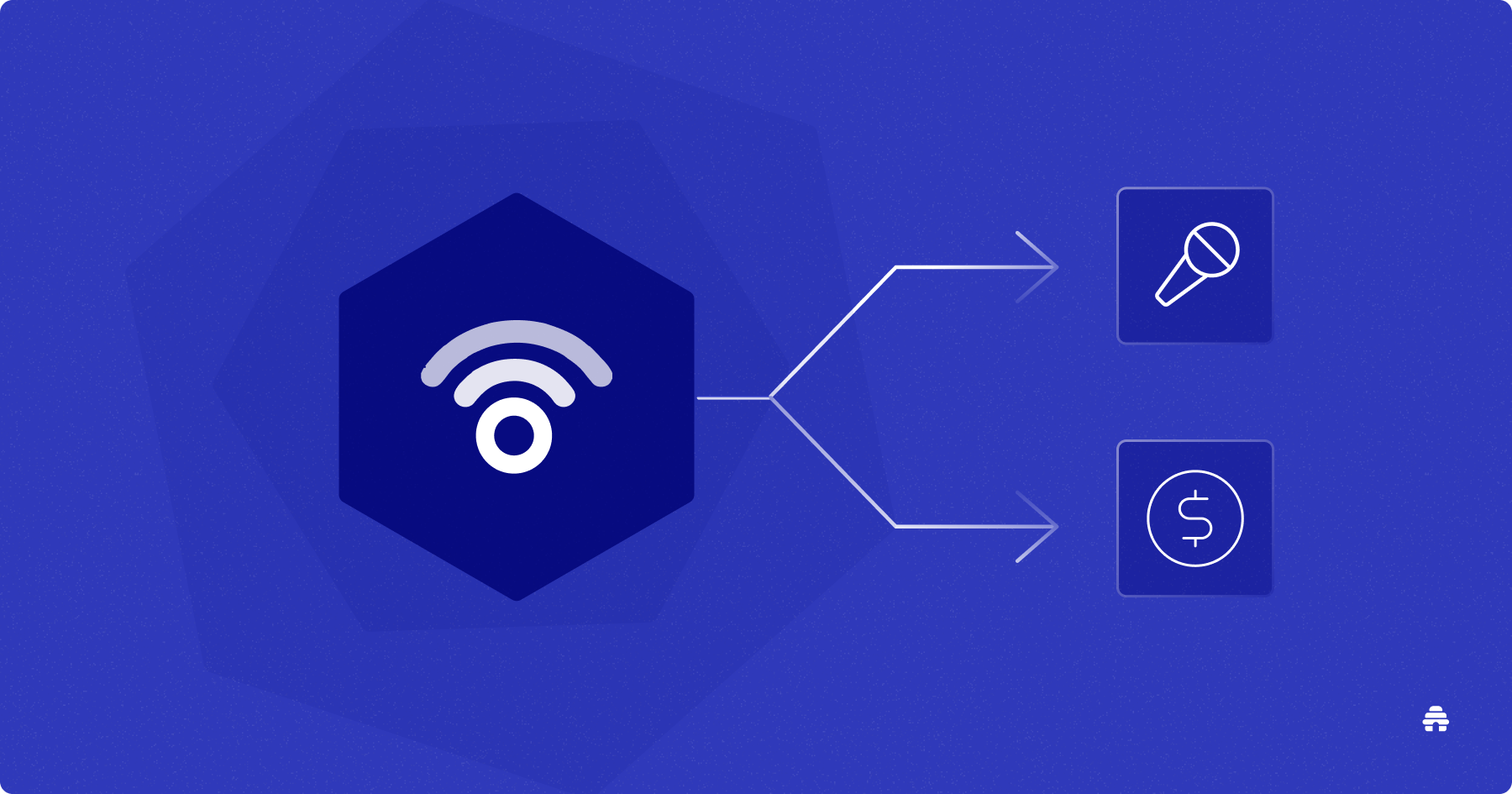
The best platforms let you stack these models, not choose between them.
Audience Ownership and Listener Data

Here's something I come back to constantly with my clients: the platform that holds your listener data holds your advantage.
Think about what you actually need that data for:
A sponsor wants to verify your audience demographics before committing to a $5,000 campaign.
You want to personalize a subscription offer to listeners in a specific city.
You're launching a course and want to email the people most likely to buy.
You're migrating platforms and need to bring your community with you.
Every one of those scenarios requires data. A platform that anonymizes your listeners or locks your subscriber list behind a wall isn't a monetization tool. It's a dependency with a monthly fee.
The platforms that get this right: beehiiv hands you your full subscriber list. Supercast lets you export everything. Podbean gives you actionable listener analytics.
The platforms that don't: Spotify gives you aggregate numbers inside a dashboard you don't own. Apple Podcasts gives you almost nothing regarding the people paying you. Use both for distribution, but never as the foundation of your revenue strategy.
Monetizing Podcasts Beyond Ads

When downloads fall during the summer season, or a sponsor pauses a campaign, or income drops 40% with about 72 hours' notice, the creator spends the next two weeks stressed, scrambling, and quietly questioning whether the show is worth the effort.
I've seen this often as someone who has helped businesses build sustainable revenue models.
The shows consistently earning $5,000 to $20,000 a month aren't only running ads; they are stacking at least two of these simultaneously:
Paid Memberships or Premium Feeds: Exclusive episodes, early access, or an ad-free experience
Digital Products: Courses, templates, or guides that extend the expertise the podcast already demonstrates
Live Events or Virtual Workshops: Sold directly to a listener base that's already warm and engaged
Newsletters: Paid subscriptions generated $19M in 2025, up 138% from $8M in 2024, providing easy income through offering additional information or building a community with your listeners
Consulting or Services: Pitched naturally to the professional audience the show attracts
Affiliate Revenue: Tools and products the host genuinely uses and can vouch for
My advice? Creators who diversify their revenue streams are earning an estimated three times more than those who offer only subscription-only content.
Andy Austin, founder of Adsora and creator of the Growth Catalyst Club newsletter, said during an interview, “Diversify your monetization strategies. We use a mix of referrals, agency services, and beehiiv's built-in monetization features.”
How To Switch Podcast Monetization Platforms

Fear of switching platforms keeps more creators stuck on bad infrastructure than any other single factor.
Export Your Data First: Before you touch anything else, pull your subscriber list and listener data. If your current platform won't let you do that, that's not a technical limitation. That's a signal of how much they respect your ownership of your own audience.
Build Out beehiiv Completely Before Going Public: Set up your subscription tiers, premium feed, and ad settings in full before announcing anything.
Update Your RSS Feed If You're Switching Hosts: Most podcast directories refresh within 24 to 72 hours. Listener disruption is almost always minimal.
Send One Clear Email to Your Subscribers: Explain where they're going and how to access their content.
Run both platforms briefly in parallel if you have paying subscribers, but long enough to make sure no one loses access mid-billing cycle.
One of beehiiv’s creators, Doone Roisin, launched her podcast, Female Startup Club, where she speaks with her founder friends about insights, advice, and a bit of guidance.
Roisin stated, “Since joining beehiiv earlier this year, writing and publishing our weekly newsletter has been a very smooth process. We've seen our open rate significantly increase since our time with Substack, currently standing well above industry standards.”
FAQs on Podcast Monetization Platforms

When is the right time to start monetizing a podcast?
Earlier than creators think – you don't need 10,000 listeners to launch a subscription tier or test a digital product. A small, highly engaged audience of 500 loyal listeners will outperform a passive audience of 5,000 every single time.
What do sponsors look for before they say yes?
Audience fit matters far more than download numbers. A finance podcast with 3,000 highly engaged professionals is more valuable to the right sponsor than a general interest show with 30,000 casual listeners.
What closes deals is specificity: clear demographics, engagement data, and a host who can speak directly to why their audience trusts them.
How do I switch to a paid model without losing my free listeners?
Gradually and transparently – keep your core content free. Gate the bonus items, the extended interviews, the ad-free feed. Give your audience a reason to upgrade, not a reason to feel cut off. One honest email explaining what's changing and why converts better than any funnel I've ever built.
What happens to my revenue if my platform changes its terms or shuts down?
This is the question creators don't ask until it's too late. The answer depends entirely on whether you own your audience data. If you have your subscriber list, you can migrate. If you don't, you're starting over.
Platform terms change. Companies get acquired. Algorithms shift. Your email list is the only asset that travels with you, regardless of what happens.
Can a podcast with a small audience generate meaningful income?
Yes, and I'd argue that small audiences are underrated. A podcast with 800 listeners and a 10% paid conversion rate at $9 a month is generating over $700 monthly in recurring revenue before a single ad is sold. The math on subscriptions favors depth of relationship over breadth of reach.
Niche shows with passionate audiences consistently outperform larger shows that monetize solely through ads.
Can You Really Afford To Let a Platform Control How Your Podcast Earns?

Every podcaster I've worked with who finally cracked consistent income shares the same turning point. They stopped waiting for the platform to hand them something and started building infrastructure that put them in control.
The best monetization platforms in 2026 aren't gatekeepers. They're levers.
Creators who move to a stronger platform are up and running within a week. No technical expertise is required, only a decision.
If you want no cut of your subscription revenue, full ownership of your audience, and podcast and email monetization built into one place, beehiiv is exactly where you begin.
Start your podcast journey with beehiiv today!

Related Articles
The one place to build.
Get beehiiv updates delivered directly to your inbox.
By subscribing you agree to our Privacy Policy and provide consent to receive updates from our company.