- Home
- Posts
- 10 Paid Newsletter Examples That Make Money
10 Paid Newsletter Examples That Make Money
Steal the Strategies Behind the Most Successful Paid Newsletters

Kawusara Salley
December 12, 2025
I’ve always been curious about what makes readers pay for newsletters when there’s already so much free content online.
Is it the writer’s expertise?
The sense of belonging to a community?
Or access to curated content or insights they can’t find elsewhere?
This curiosity led me to dig into how different paid newsletters are built.
In this article, we’ll look at a few that are getting it right and what they can teach us about running a paid newsletter.
If you’re on the fence about launching a paid newsletter or converting your existing free subscribers to paid, there’s definitely a tip or two you can pick from here.
Why Trust Me?
I am passionate about researching and writing about tools that help creators and businesses grow. This article is the result of hours of studying and analyzing how different creators run and monetize their paid newsletters.
Table of Contents
Let’s take a look at 10 paid newsletter business models that show how different creators have built paying audiences their own way, and what you can take from each.
Note: These paid newsletter businesses (along with their websites, pricing, and upgrade pages) were built on beehiiv. Sign up for a free beehiiv plan to create yours too!
1. Extra Points (By Matt Brown)
Niche: College sports
Total subs: 30,000+ subscribers
Paid subs: 2,000+ subscribers
Revenue: $200,000/year
Growth: X (formerly Twitter), Facebook, Instagram
Earning: Paid memberships, Ads, Sponsored content
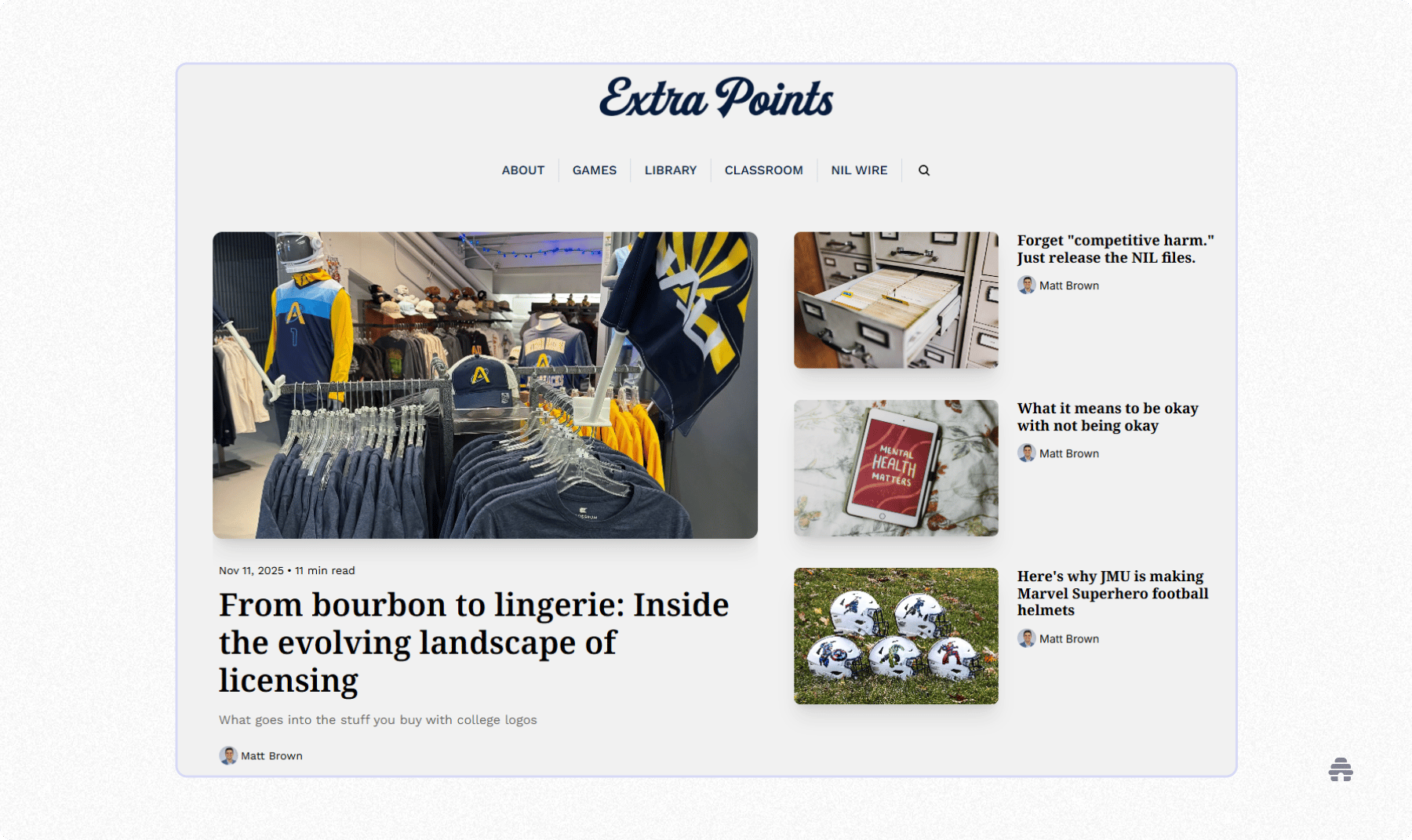
After being laid off from SB Nation in 2020, journalist Matt Brown launched Extra Points, a paid newsletter focused on the off-the-field side of college sports. It covers topics like athletic budgets, NAIA programs, and NIL legislation.
What Subscribers Get
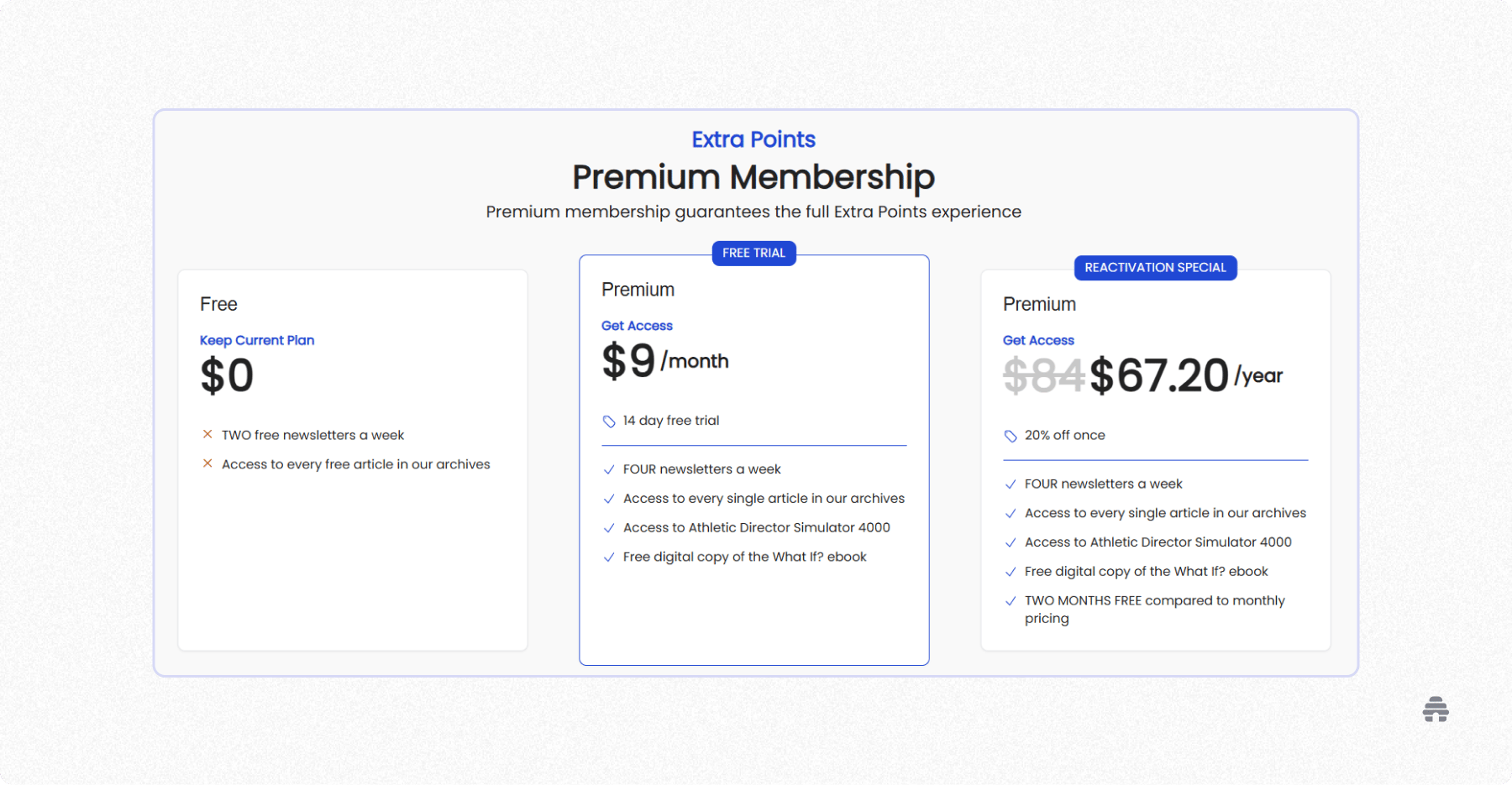
Free readers receive two newsletters weekly. Paid members get four, plus a digital copy of Matt’s What If? book and access to the Athletic Director Simulator 4000, a game that teaches sports students how to manage a college sports department.
Brown also licenses paid membership content (plus lesson materials) to universities offering sports management and business programs. It’s used by the faculty as a practical, up-to-date teaching resource.
Why It Works
Extra Points focuses on a very niche topic. With few outlets covering this space, readers find value in Matt’s expertise and reporting. His credibility from SB Nation, strong social following, and licensing model all help him build trust and diversify revenue.
2. Status News (By Oliver Darcy)
Niche: News reporting and analysis
Total subs: 100,000+ subscribers
Growth: LinkedIn, X (formerly Twitter), Instagram, YouTube, TikTok
Earning: Paid memberships, Merch
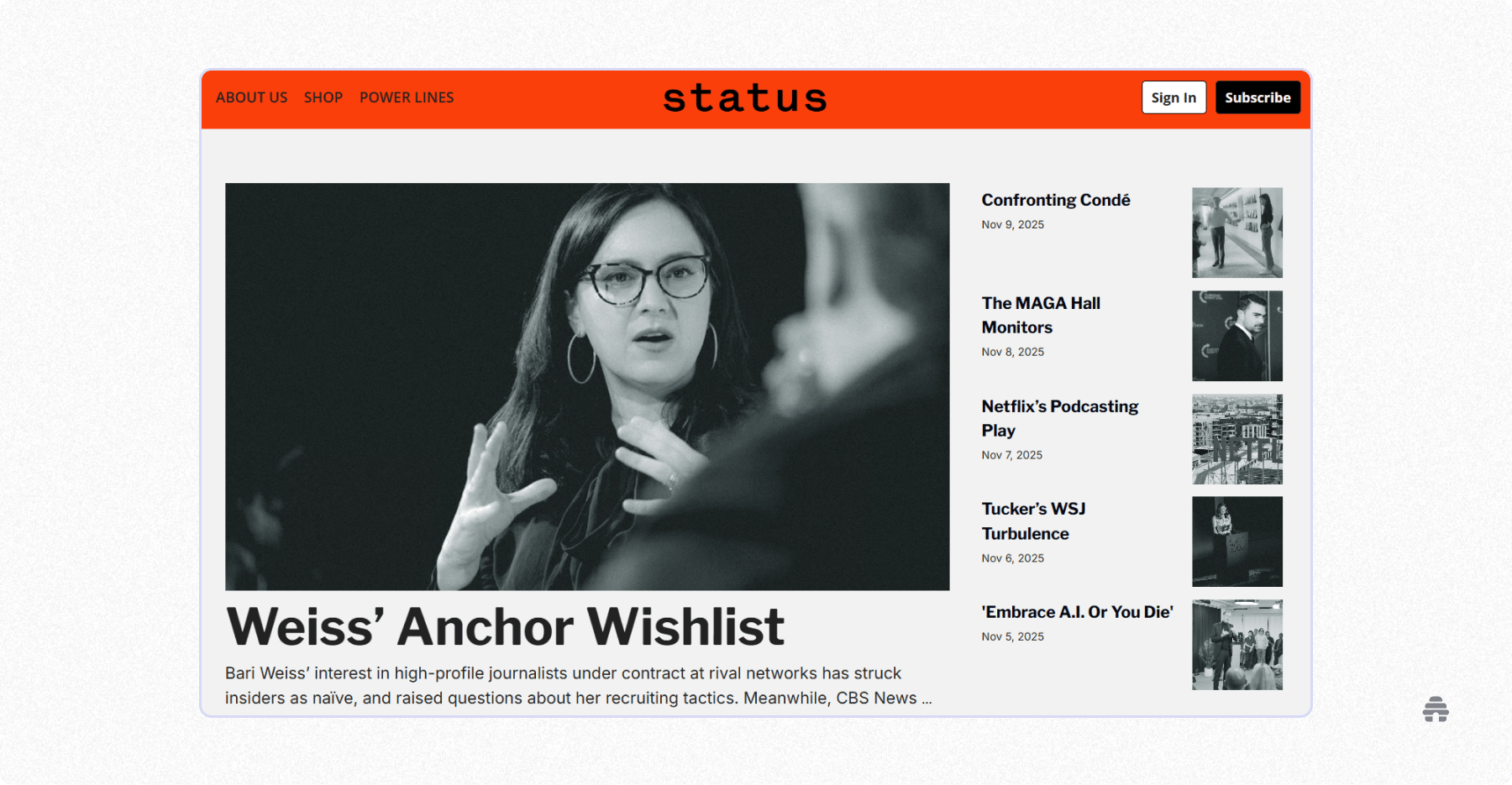
Status News is a daily paid newsletter by former CNN journalist Oliver Darcy that reports on how major media, tech, and entertainment players (like Disney, Meta, Google, and CNN) shape public perception and culture. Its mission is to uncover the truth behind their influence and hold these institutions accountable.
What Subscribers Get
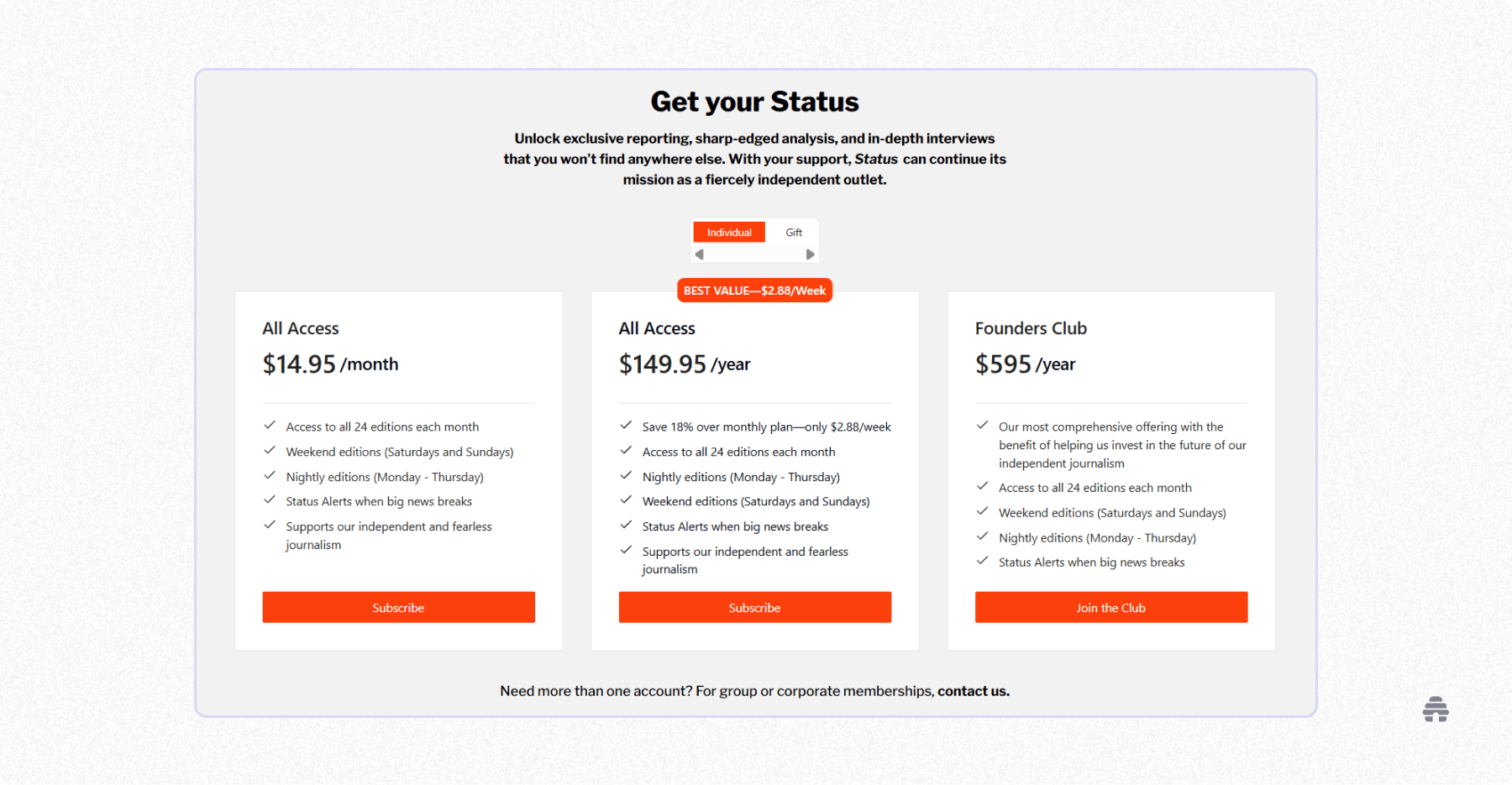
Status follows a freemium model, offering some posts for free while reserving exclusive content for paying members.
Why It Works
Darcy’s background at CNN and social media presence give him authority and an engaged audience eager for his insights. Status stands out by delivering breaking news ahead of traditional outlets. As a fully reader-funded platform, subscribers can rely on Status for journalism that’s transparent and free from outside influence.
3. European Listings (By Michelle Wolf)
Niche: Real estate

Total subs: 2,000+ subscribers
Paid subs: 270 subscribers
Revenue: $3,405/year
Growth: Instagram
Earning: Paid memberships
European Listings is a paid weekly newsletter that curates affordable luxury real estate properties across Europe. The team partners with trusted agencies, reviews thousands of listings, and handpicks the top 1% of homes under €500K.
The audience was built on Instagram by sharing short property reels and descriptions with a call to action to subscribe for more details.
What Subscribers Get
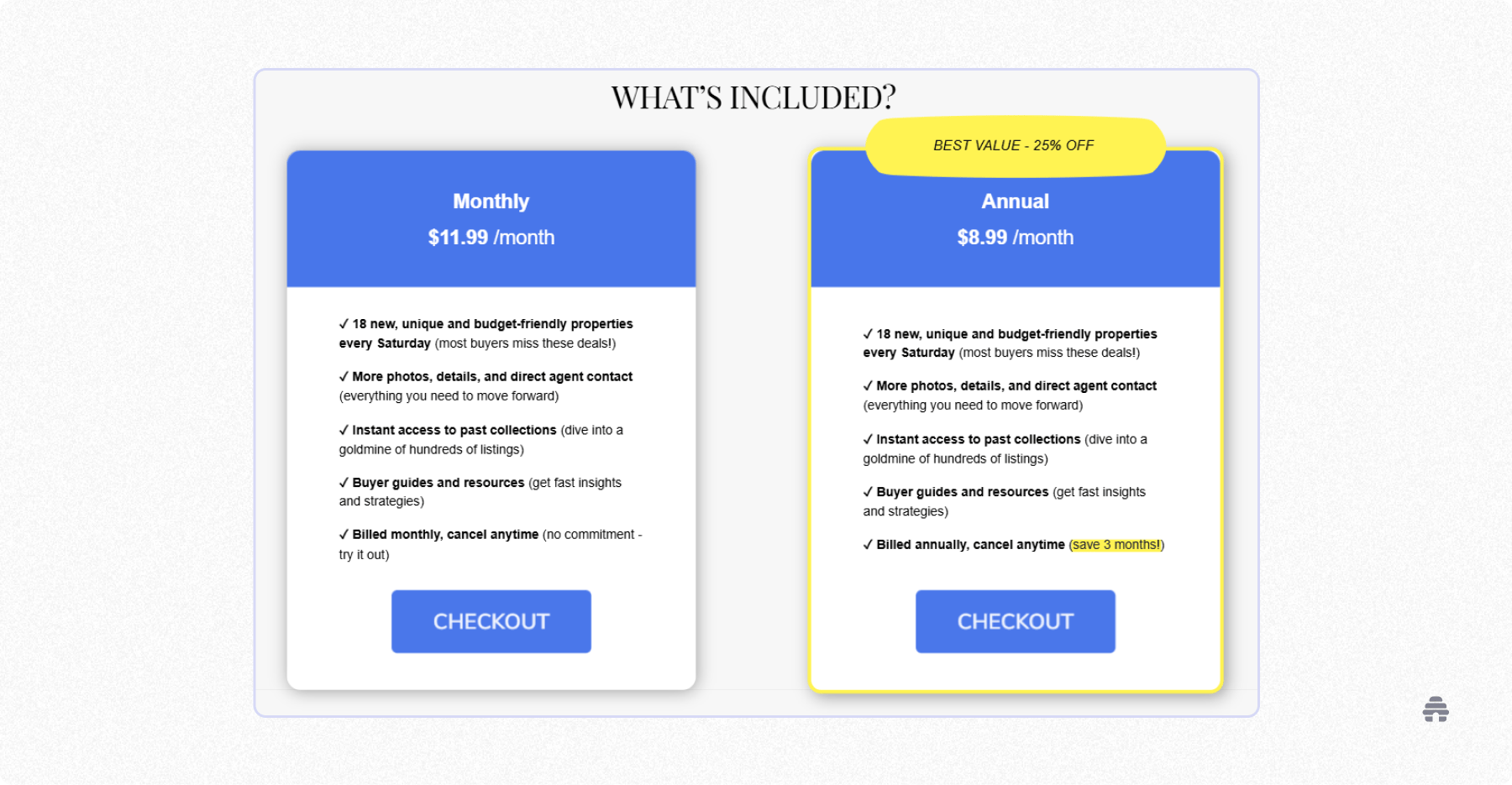
Each Saturday, paid subscribers receive at least 18 vetted property listings straight to their inbox—along with market updates, design inspiration, and buying tips—to make finding their next property easier and faster.
Why It Works
The newsletter saves readers time and stress by curating authentic, affordable listings all in one place, solving a problem investors and future homeowners will happily pay for. Wolf also runs monthly surveys to consistently improve the newsletter’s value.
4. Ajenda (By Dr. Jen Ashton)
Niche: Health and wellness
Total subs: 180,000+ subscribers
Growth: Instagram
Earning: Paid membership, Wellness program, Books
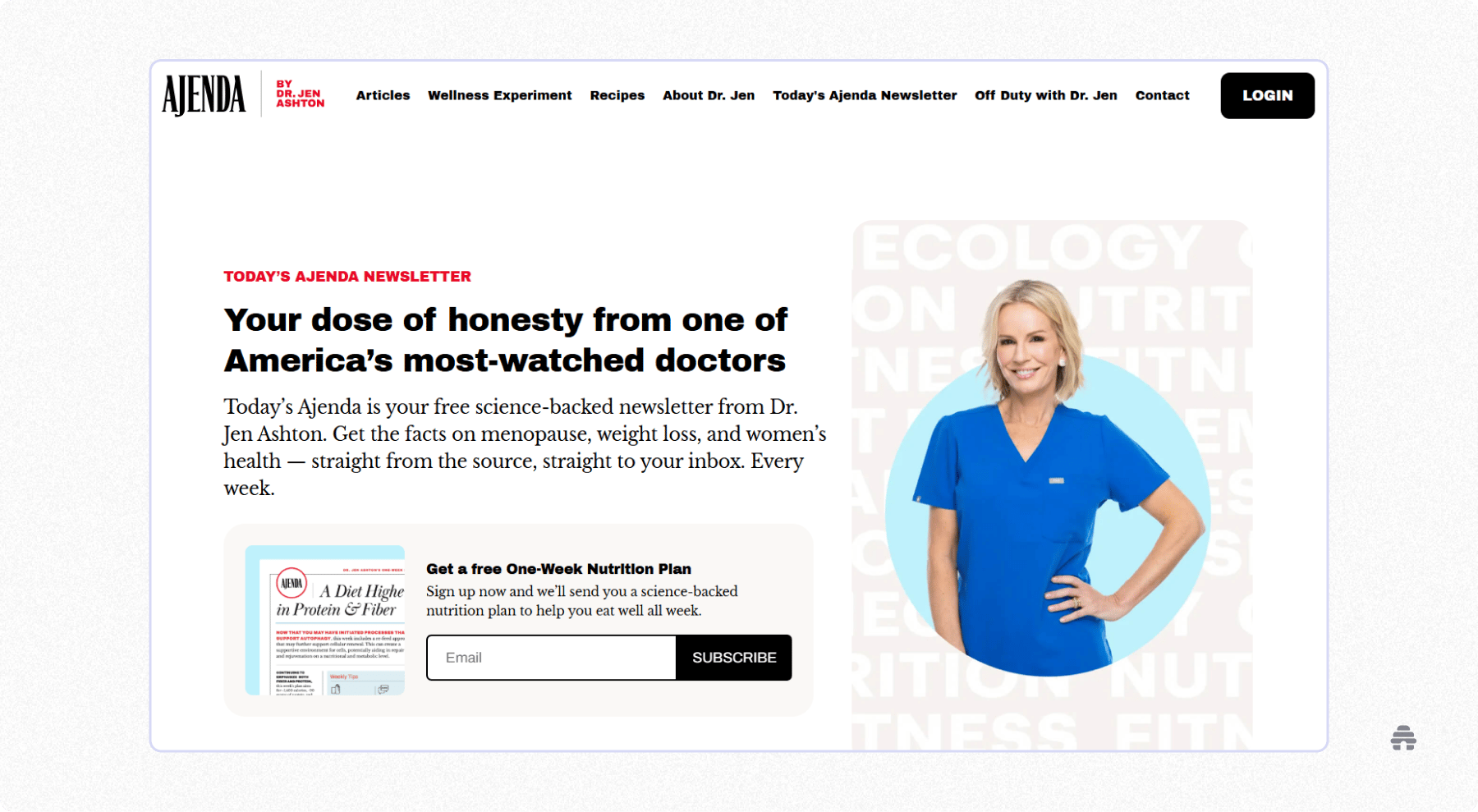
After 12 years as Chief Medical Correspondent at ABC News, Dr. Jen Ashton launched Ajenda, her own newsletter focused on women’s health, nutrition, and fitness.
With 580K Instagram followers, she funneled her audience to her free newsletter, where she shared expert advice on weight management, women’s health, and her six-month wellness journey to get into the best shape of her life at 55.
As her newsletter grew, readers frequently replied asking for more personalized advice on how to start their own wellness journey. The strong engagement and replies were a sign she needed to create a paid product.
What Subscribers Get
Dr. Ashton continues to publish her free newsletter while offering a paid wellness program that includes weekly recipes, fitness plans, wellness guides, access to a private community, and live Q&A sessions.
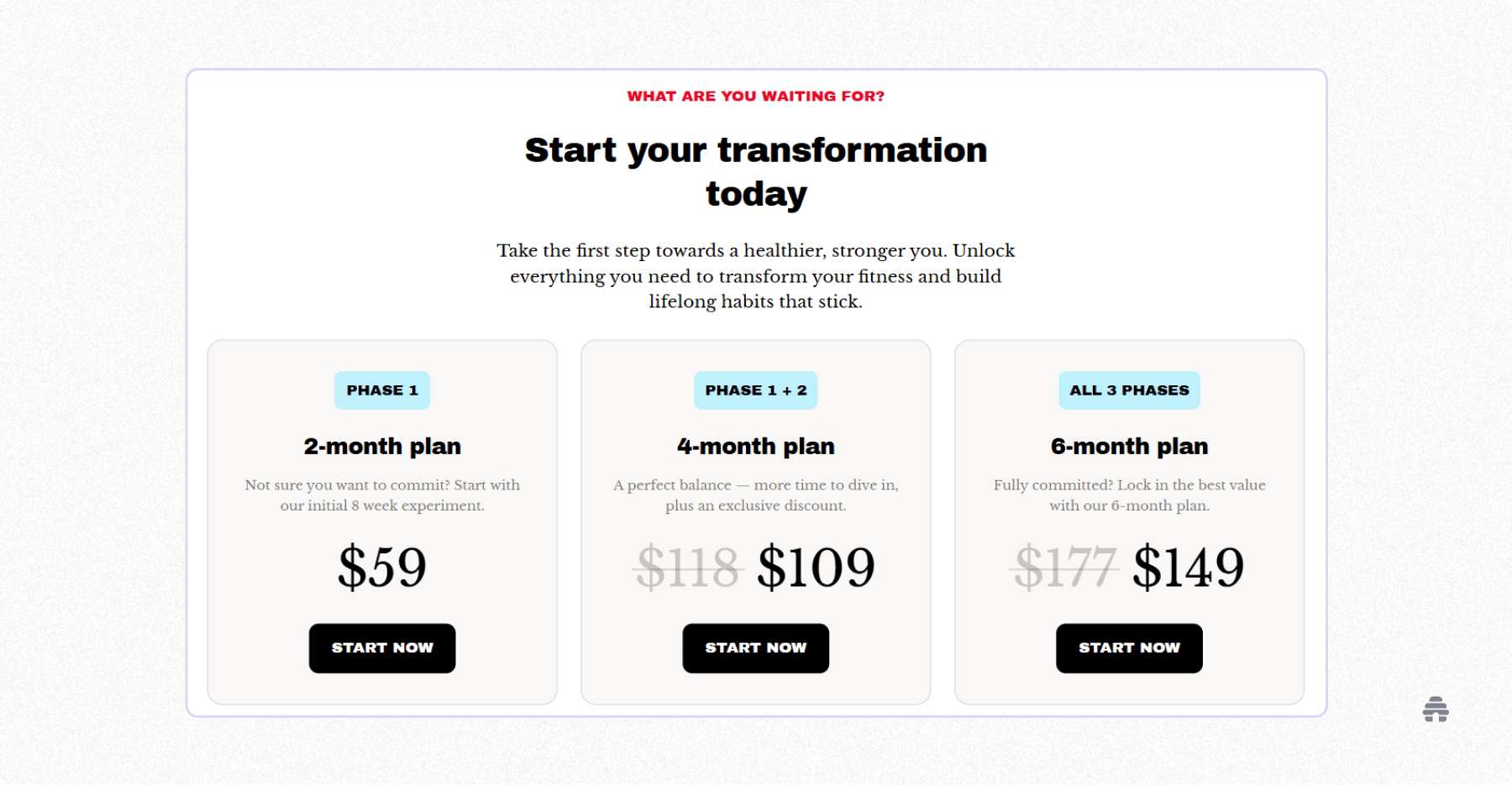
After receiving many questions about her daily life—what she’s reading, eating, or wearing—she also launched Off Duty with Dr. Jen, a paid weekly newsletter sharing those up-close-and-personal details.
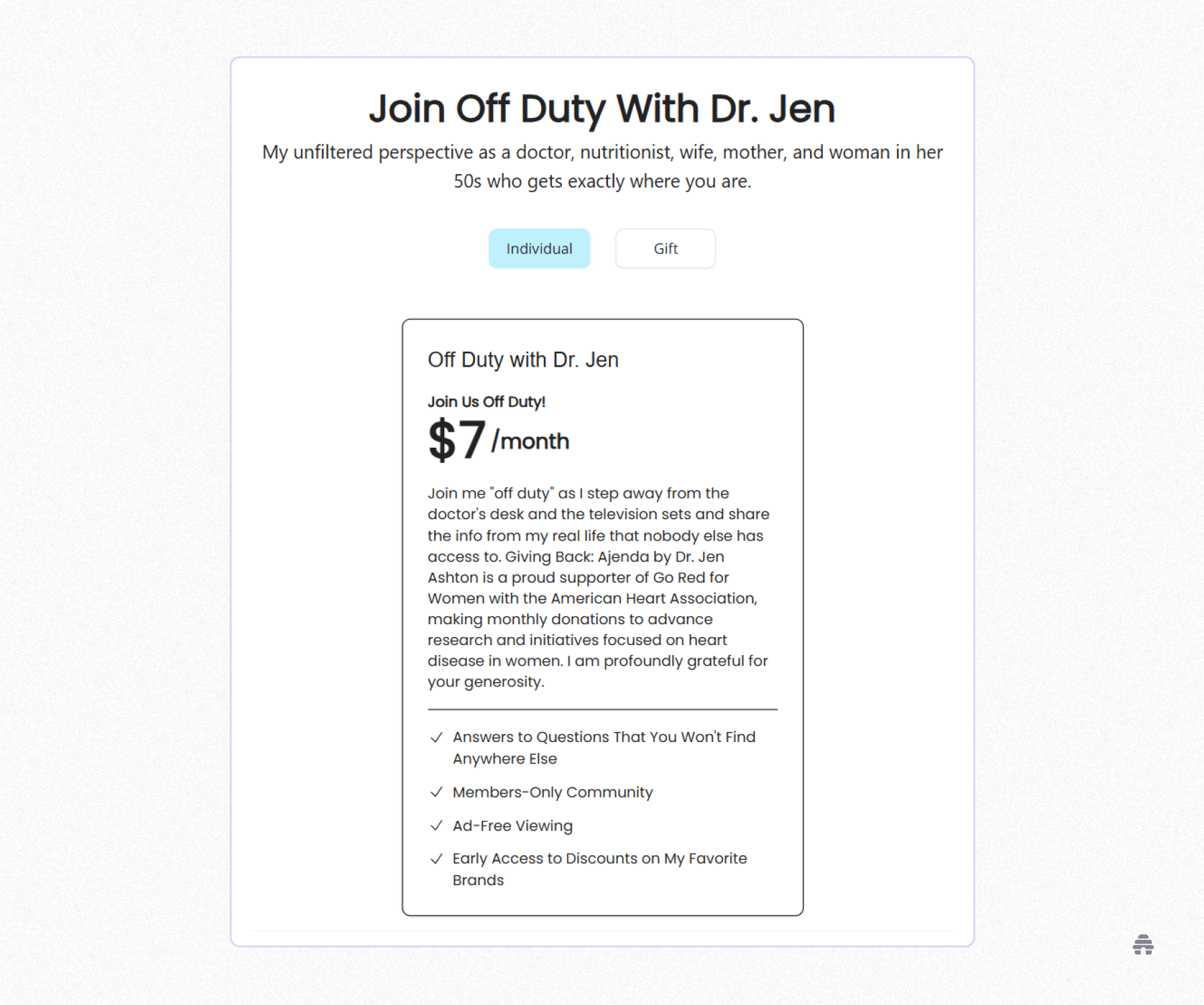
Why It Works
Dr. Ashton spent two decades building trust and credibility through her medical career and television presence, which made it easy to grow her audience. She also focused on delivering valuable free content first, then introduced paid offerings when her audience signaled demand for it.
5. Vegan Tech Nomad (By Jennifer Chou)
Niche: Productivity and business
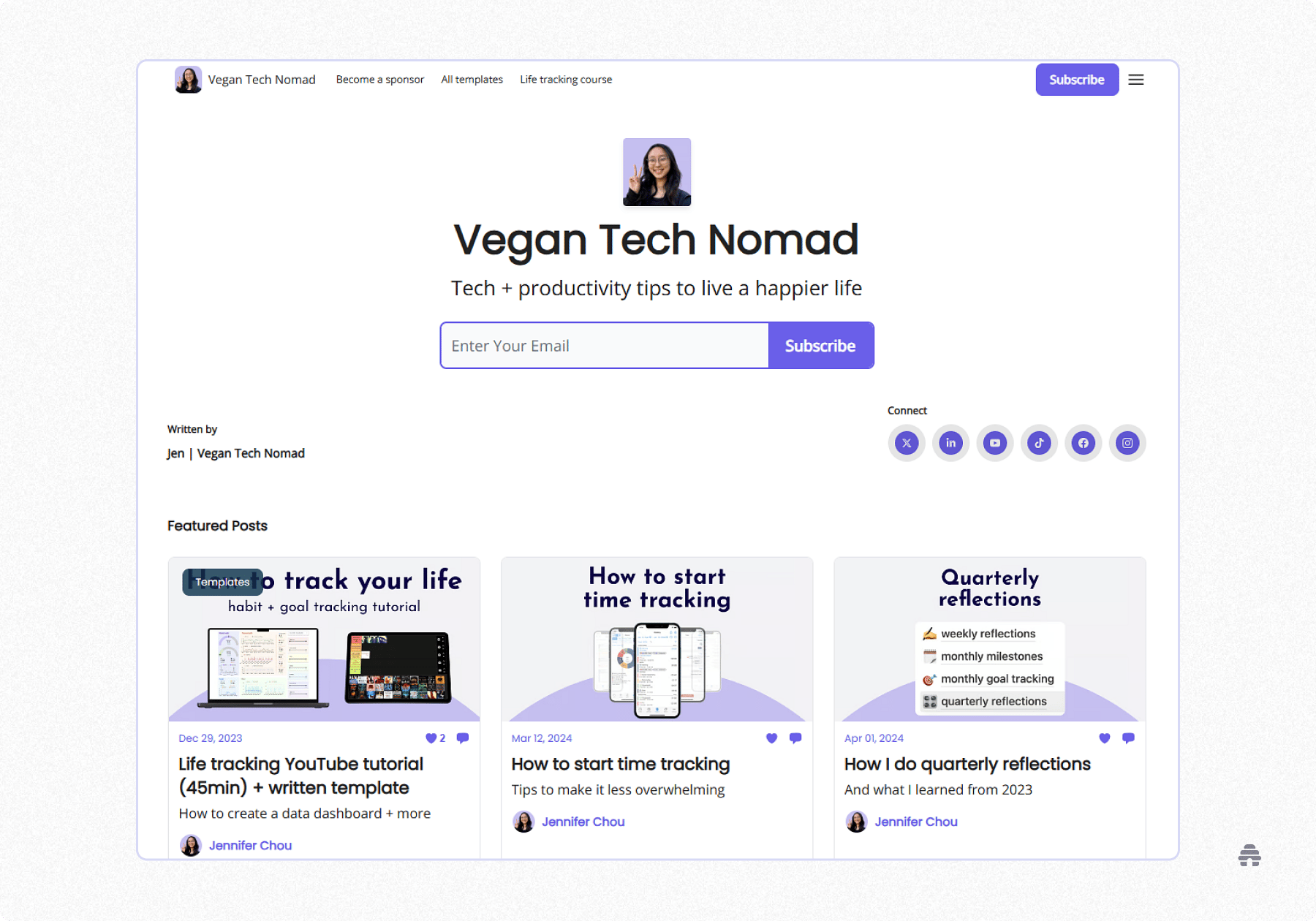
Total subs: 13,000 subscribers
Paid subs: 60 subscribers
Growth: Instagram, X (formerly Twitter), LinkedIn, YouTube, TikTok
Earning: Paid memberships, Notion templates, ADHD Content Creator Course, Sponsorships, beehiiv Ads, beehiiv Boosts
Vegan Tech Nomad is a weekly newsletter where Chou shares practical business and productivity lessons from her own experiences. After gaining traction on Instagram, she decided to create a newsletter as well.
Before launching, she tested interest by adding a waitlist link to her Instagram bio, which helped her gauge how many followers were interested in subscribing.
What Subscribers Get
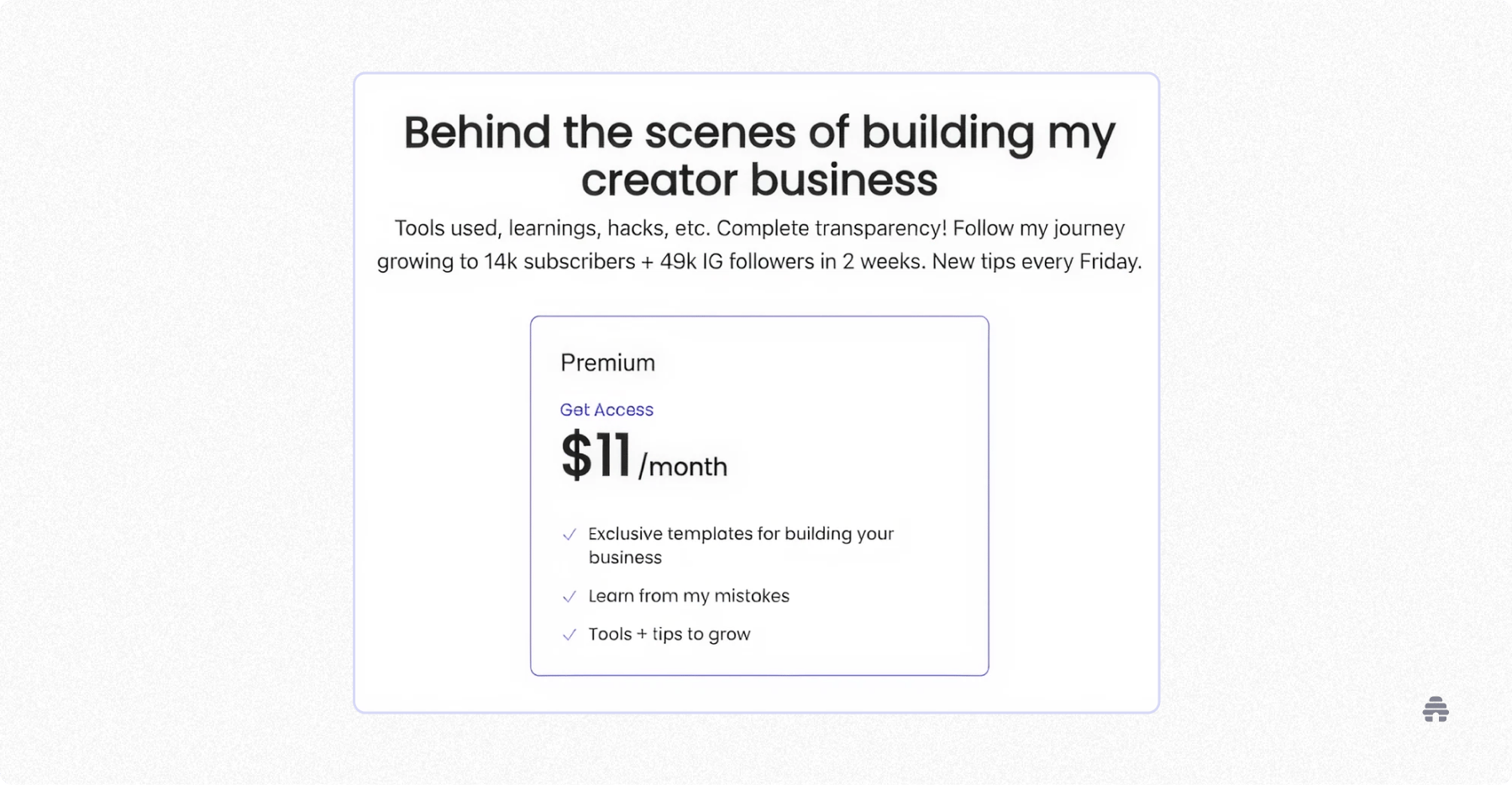
Chou started by offering free weekly productivity tips, paired with premium posts that took a deeper dive into business growth, earning strategies, and the tools and systems driving her success behind the scenes. This generated $627 in monthly recurring revenue.
While Vegan Tech Nomad has currently paused paid memberships, it continues to earn through other revenue streams.
Why It Works
She built her audience across social platforms, tested demand before launching, and stayed consistent with her weekly sends. Her content is concise, visual, and easy to digest, perfect for busy creators looking for quick, actionable advice.
6. Sunday Money (By Christian Collard)
Niche: Personal finance
Total subs: Not publicly available
Growth: X (formerly Twitter), beehiiv Boosts, Partnerships
Earning: Paid memberships and beehiiv Ads
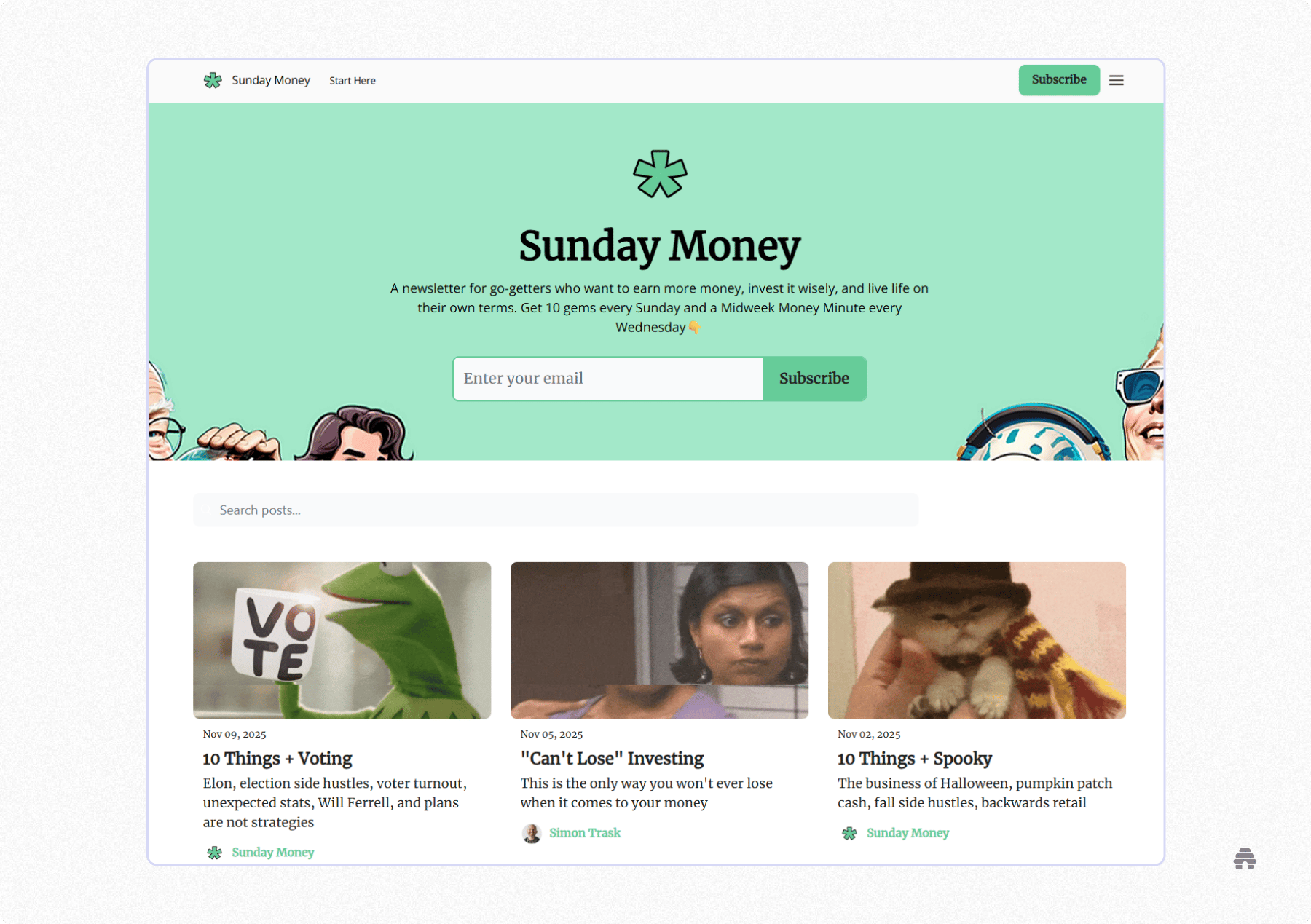
Sunday Money is a bi-weekly personal finance newsletter by Christian Collard that helps readers take control of their money through practical tips on budgeting, saving, investing, and building wealth. The goal is simple: to help people earn more and live life on their own terms.
What Subscribers Get
Free subscribers receive two newsletters each week:
10 Quick Gems: a curated roundup of money-related news and resources.
Money Minute: short, actionable insights on personal finance.
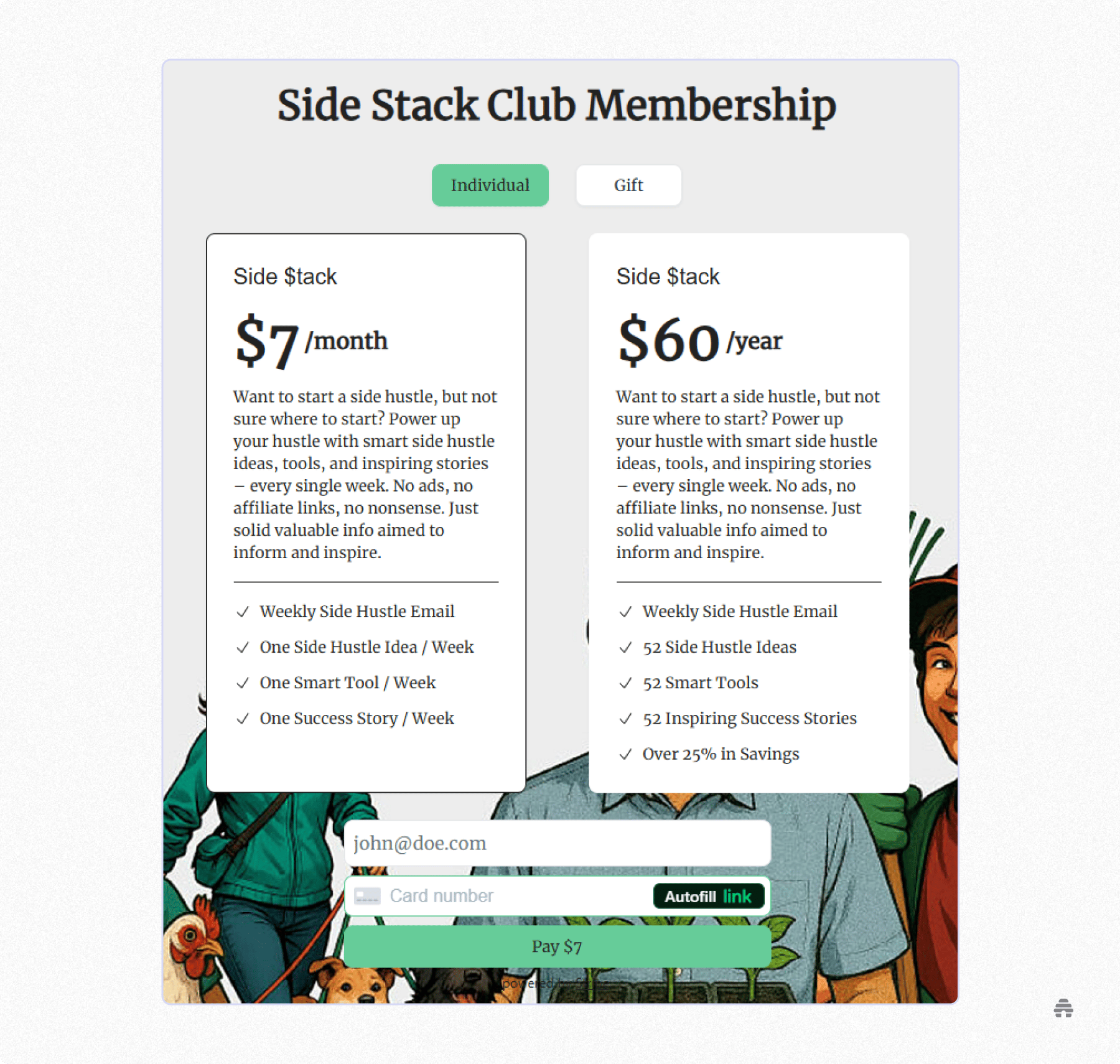
Paid members get access to Side Stack, a weekly newsletter focused on side hustles. It features business ideas, tools, and success stories.
Why It Works
Finance audiences are comfortable paying for content that promises a clear return on investment. The newsletter’s value is well-defined on its homepage and upgrade pages, making it easy for readers to see what they’re getting.
The free version delivers consistent value, attracting repeat readers and naturally guiding them toward the paid subscription.
7. Court Watch (By Seamus Hughes)
Niche: Legal news
Total subs: 9,000+ subscribers
Paid subs: 300+ subscribers
Growth: Word of mouth, media partnerships
Earning: Paid memberships
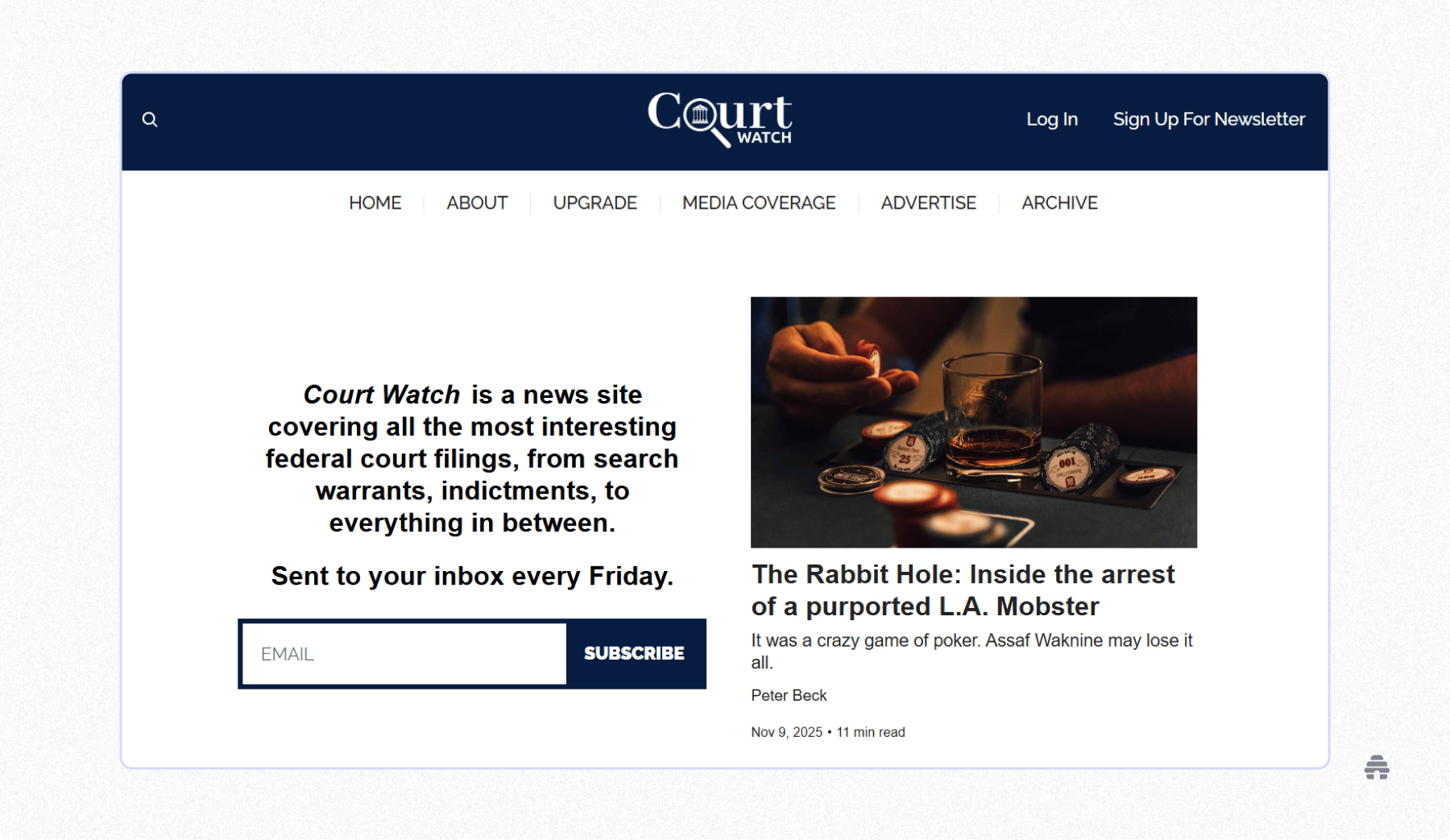
Court Watch is a weekly newsletter by Seamus Hughes that uncovers stories buried in U.S. federal court filings. He combs through PACER, the government’s court record system, to find new cases, indictments, and search warrants, often before they make the news.
What Subscribers Get
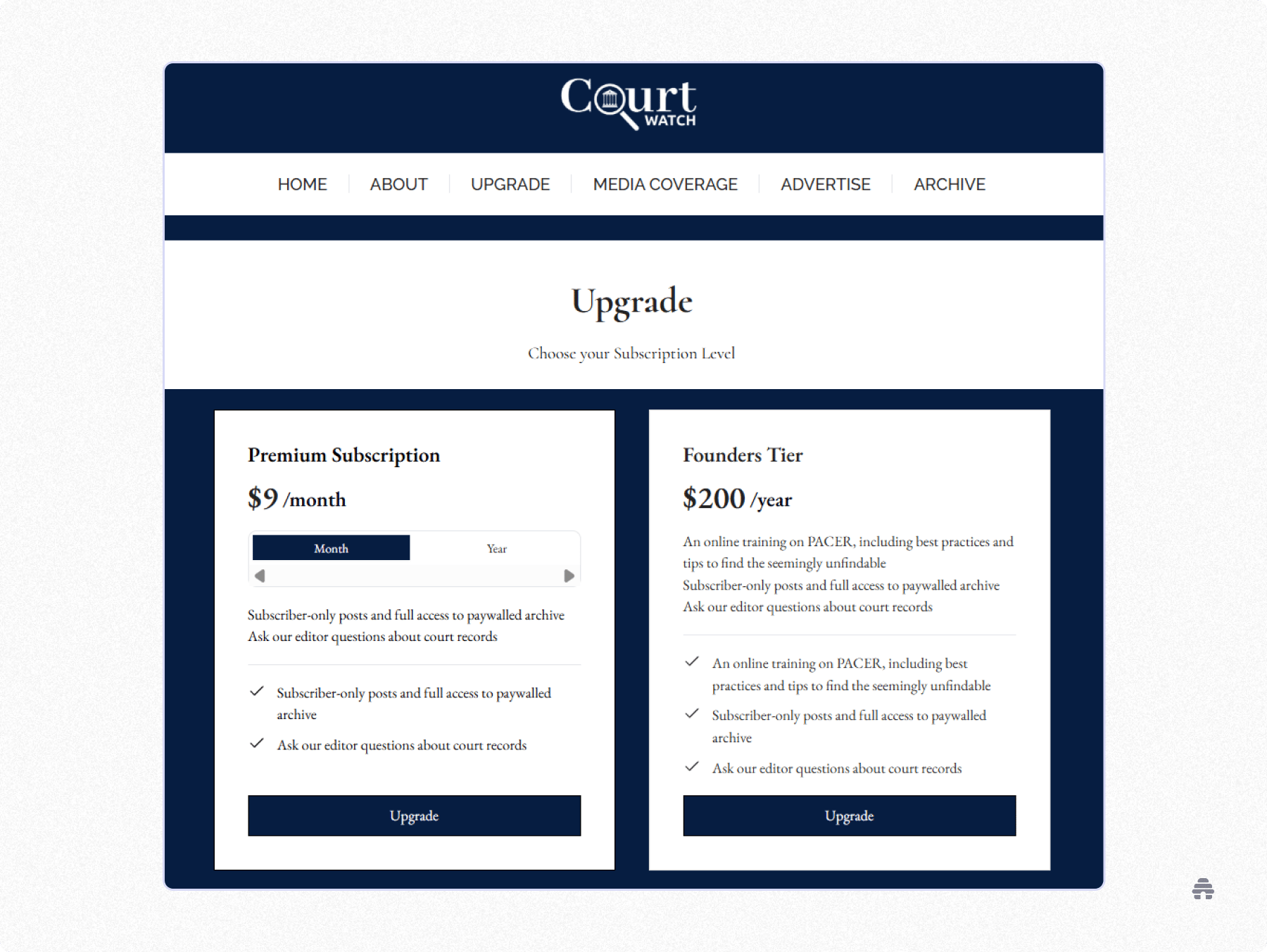
The newsletter offers a mix of free and premium posts. Paid members get extra perks, like asking the editor questions about court records and getting a virtual PACER training, so they can quickly find any information they need on their own.
Why It Works
By doing the heavy lifting, Court Watch saves reporters, researchers, and curious readers hours of tedious searching while giving them access to credible, newsworthy information in a simple, easy-to-read format. As a result, they can also improve the speed and accuracy of their own reporting.
8. Breaker Media (By Lachlan Cartwright)
Niche: Media and culture
Total subs: Not publicly available
Growth: X (formerly Twitter), Instagram, YouTube
Earning: Paid memberships
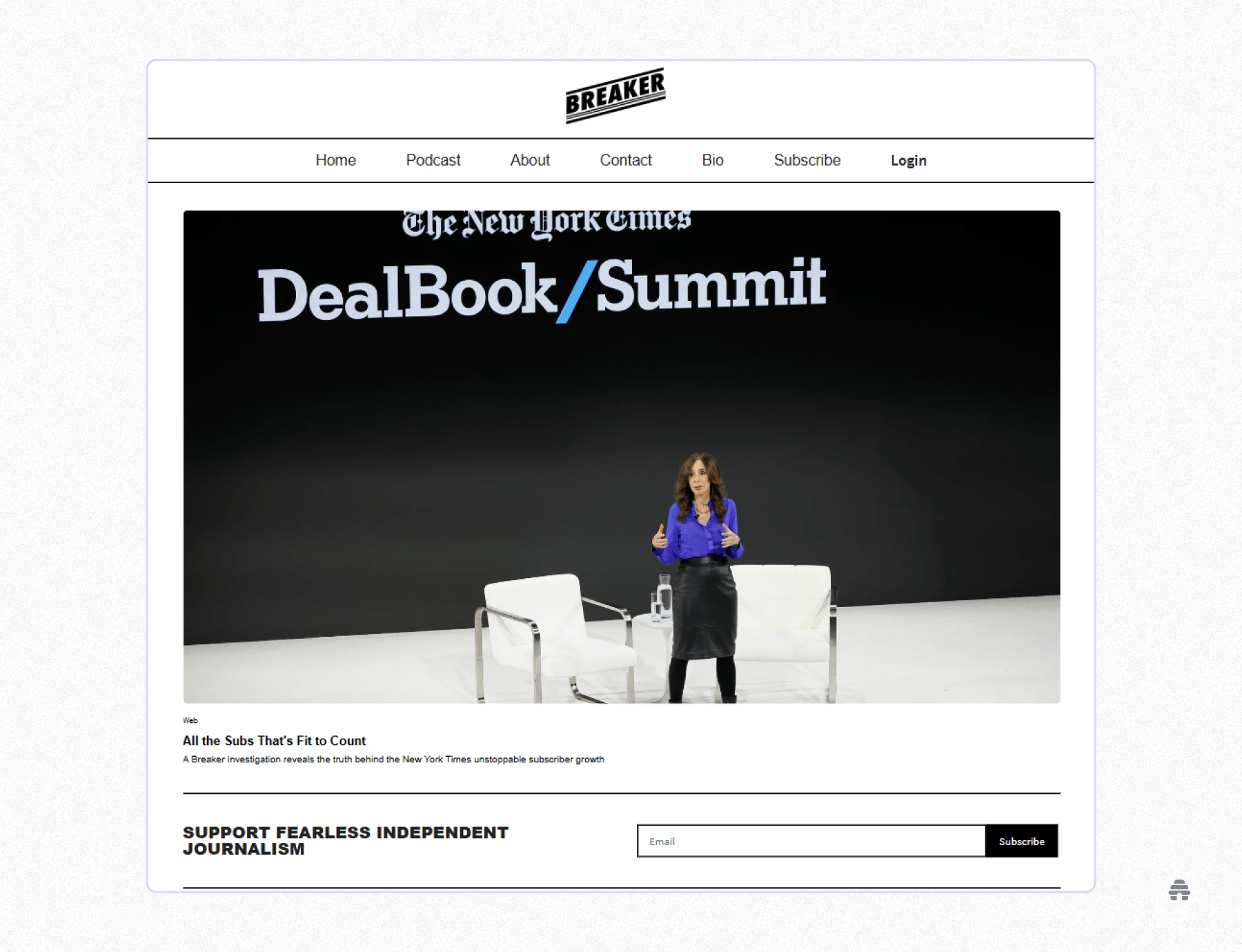
Breaker Media is a weekly newsletter created by veteran journalist Lachlan Cartwright. It pulls back the curtain on New York’s media and cultural elite, offering exclusive scoops, unique commentary, and insider analysis.
For PR professionals and media watchers who want to understand how influence flows through the city’s media world, this is the place to be.
What Subscribers Get
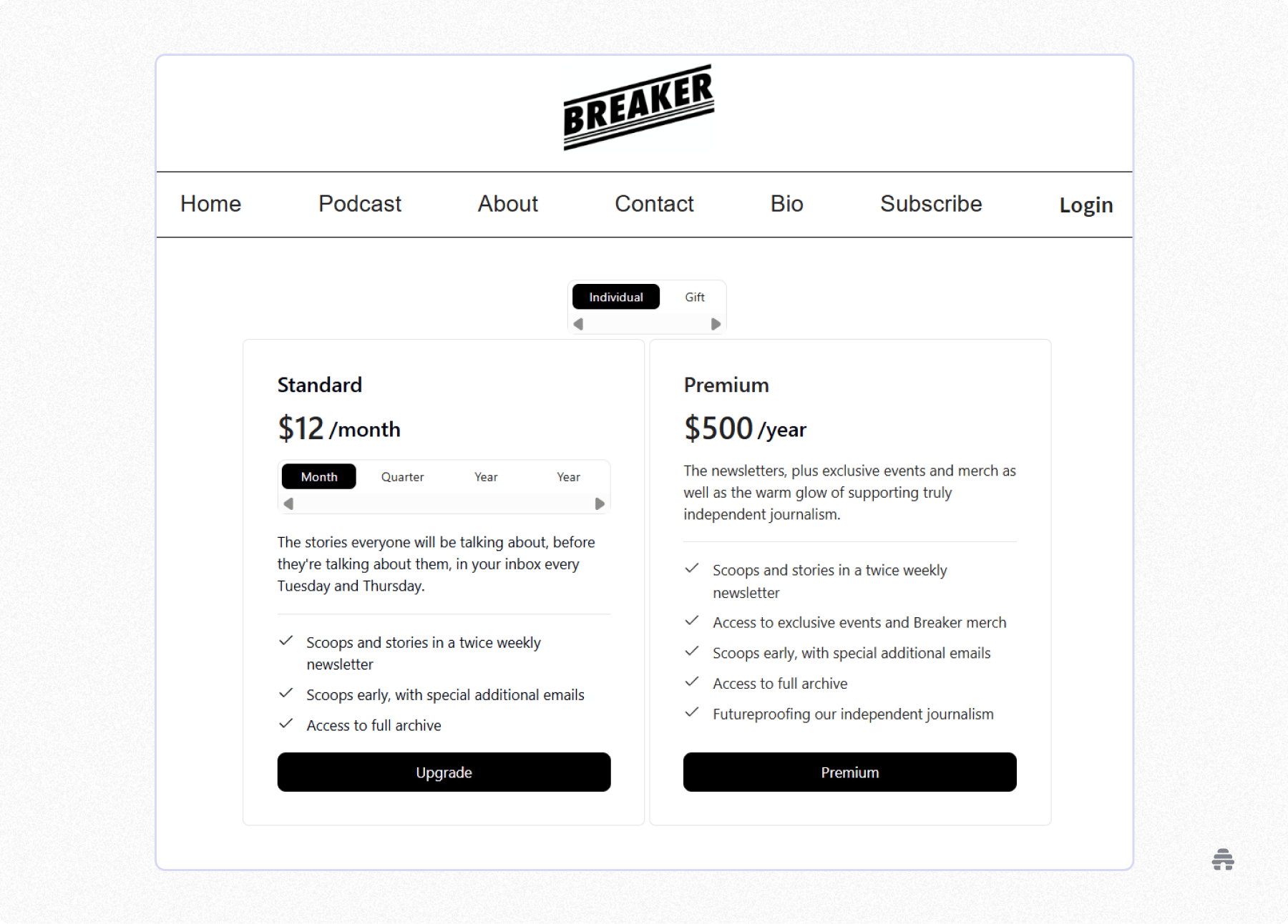
Breaker Media follows a freemium model with both free and paid posts. Readers can subscribe for free updates or upgrade for full access to premium stories.
Why It Works
The newsletter stands out for its clear niche, unique insights, and the credibility of its founder, who brings over 20 years of experience writing for top publications like The New York Post, The Hollywood Reporter, and Vanity Fair.
9. Chaotic Era (By Kyle Tharp)
Niche: Politics, media, and tech
Total subs: 13,000+ subscribers
Growth: X (formerly Twitter), LinkedIn
Earning: Paid memberships, Ads
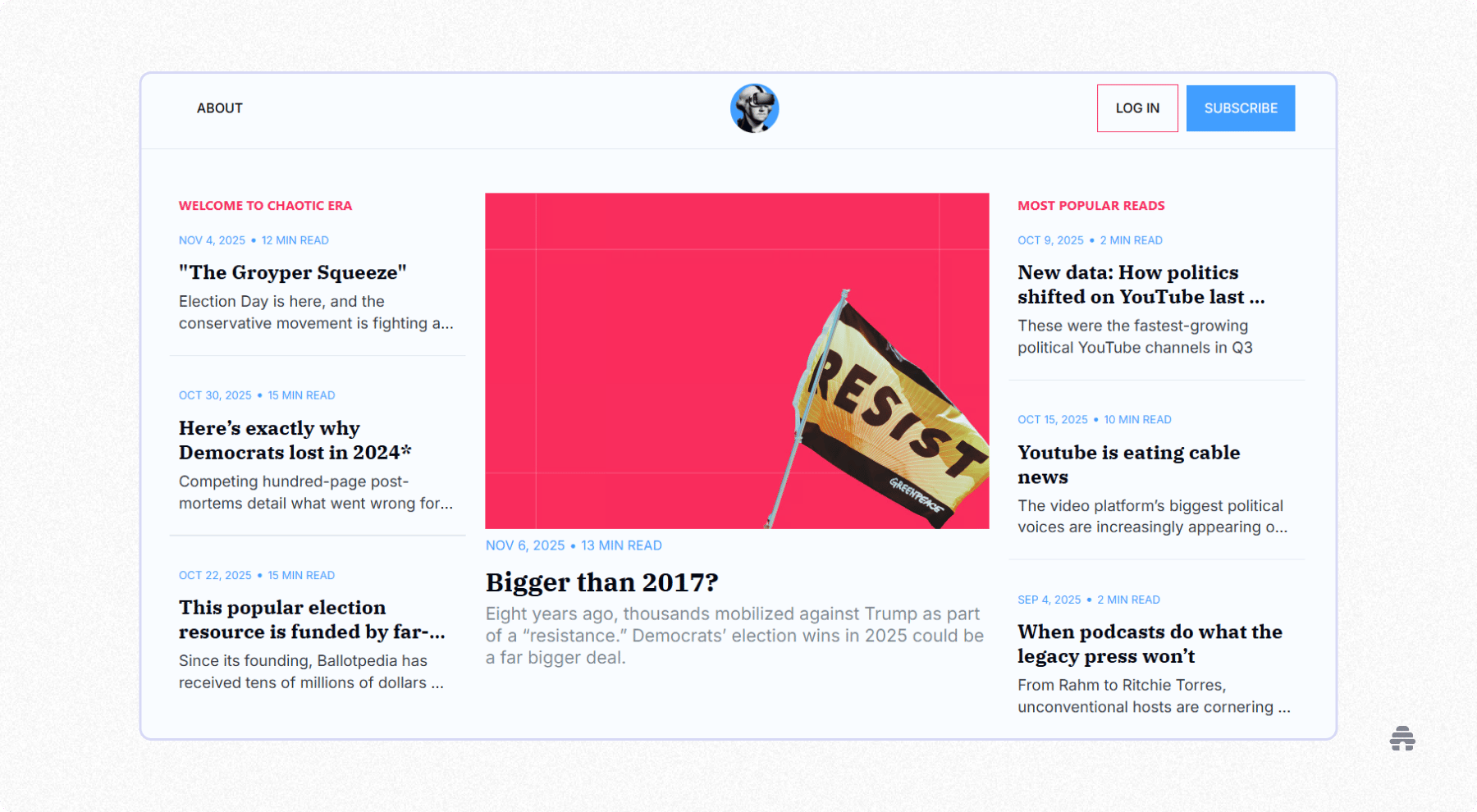
Chaotic Era covers political stories and insights often overlooked by mainstream media. It helps readers stay informed, identify emerging trends, and bring fresh perspectives to professional and peer discussions.
What Subscribers Get
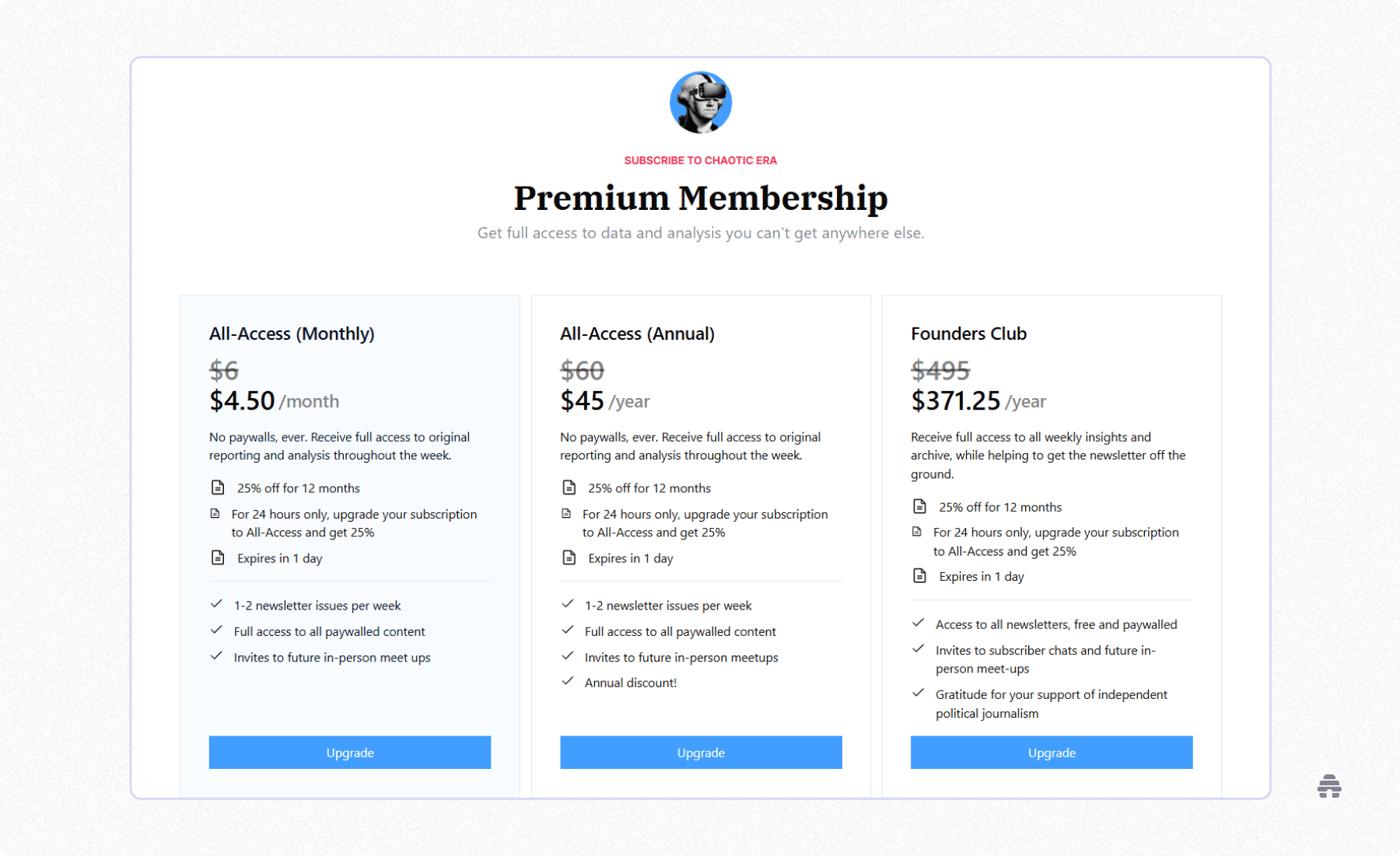
Free subscribers get access to regular content. Meanwhile, paid members can access premium posts and invites to upcoming in-person meetups.
Why It Works
Tharp’s credibility, gained from years in political media, builds trust with readers who value his expertise and perspective.
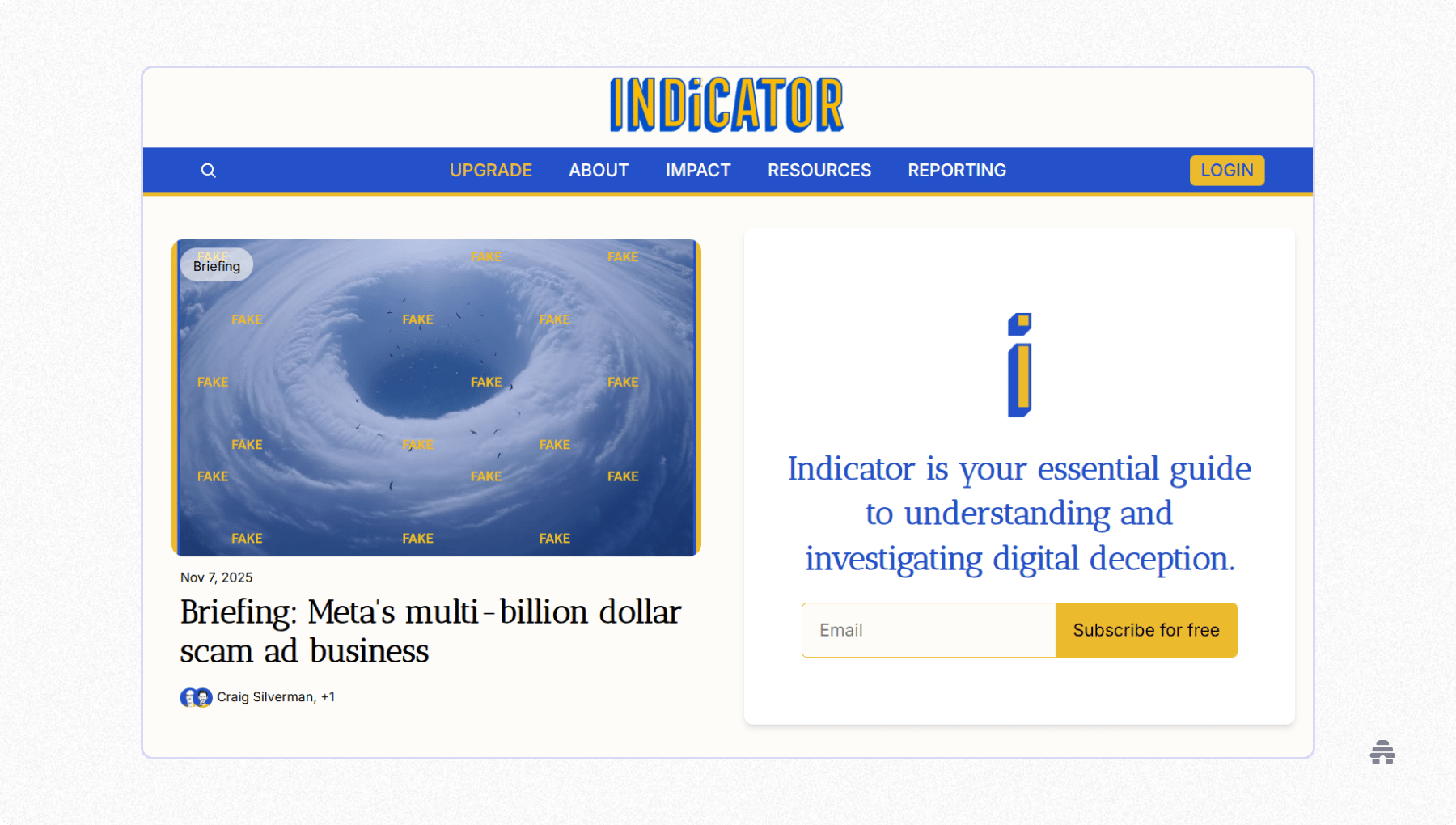
10. Indicator Media (By Craig Silverman and Alexios Mantzarlis)
Niche: Digital deception
Total subscribers: Not publicly available
Growth: LinkedIn
Earning: Paid membership
Indicator Media is a paid newsletter business delivering in-depth investigations into online scams, misinformation, and AI-generated content. It’s designed for journalists, researchers, analysts, and anyone interested in understanding and exposing digital deception.
What Subscribers Get
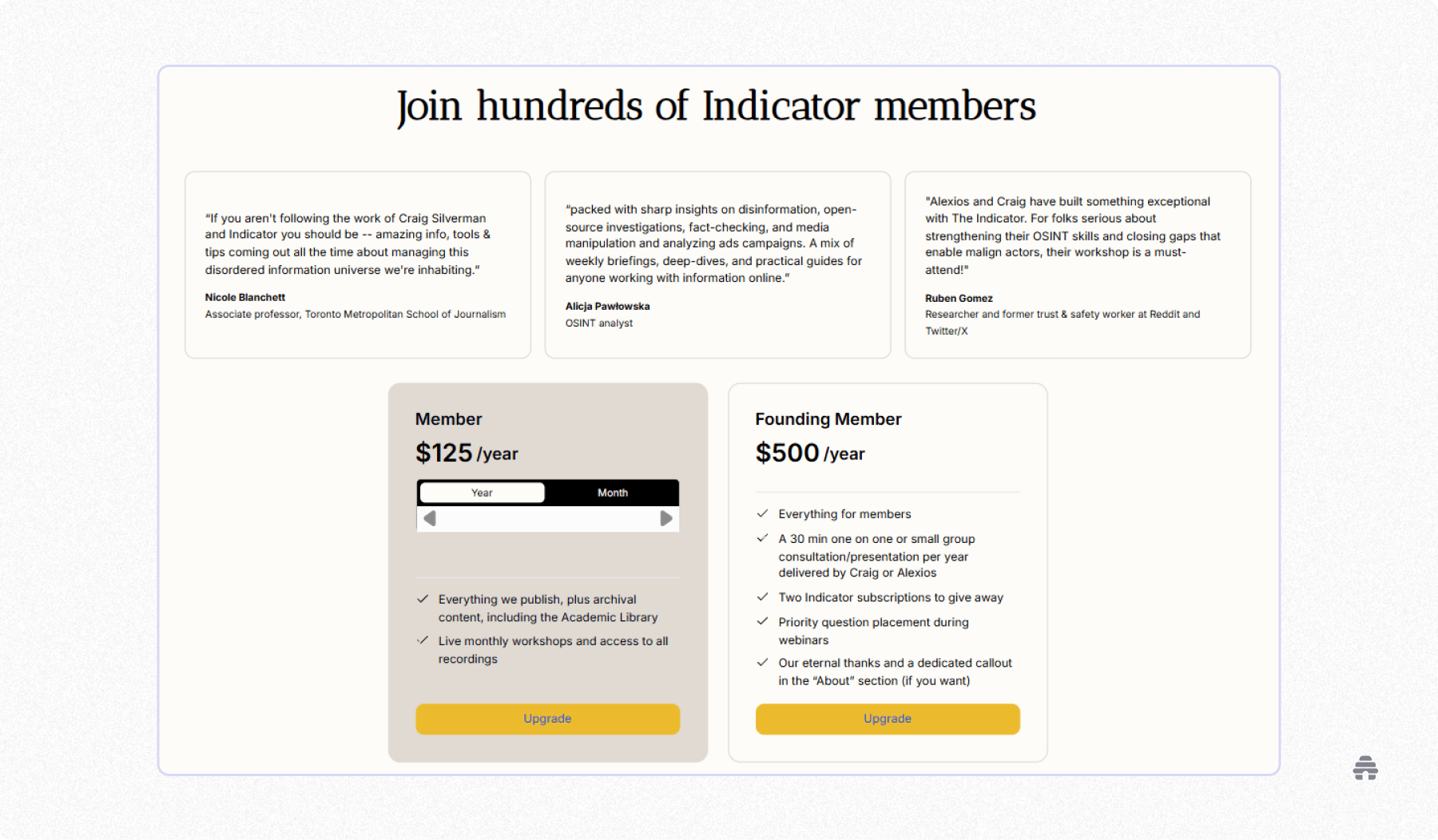
All posts are paywalled. Free subscribers can only preview a portion before being prompted to upgrade. Paid members gain full access to newsletter posts, an archive of past investigations, and live monthly workshops on investigative tools and techniques.
Why It Works
The newsletter is run by two seasoned fact-checkers with more than a decade of experience investigating misinformation. Readers subscribe for credible, expert-led analyses they can trust and use in their own reporting.
After studying these paid newsletter examples, I noticed common patterns as the reasons for their success. Let’s take a look.
They Build Visibility on External Platforms
Most successful paid newsletter businesses didn’t start behind a paywall. Their creators first grew an audience on platforms like X (formerly Twitter), Instagram, or LinkedIn by sharing valuable insights and engaging with followers.
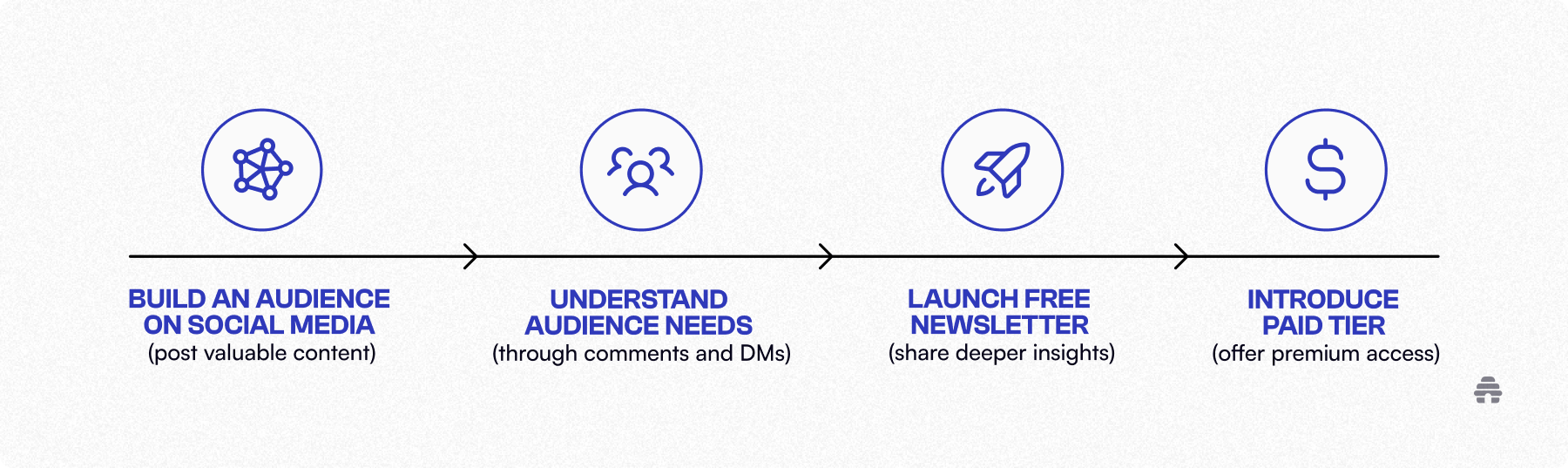
This early visibility helped attract readers who already trusted their expertise and wanted to hear more. It also allowed creators to learn what their audience cares about and shape their newsletter around those needs.
For journalists and media personalities, existing exposure through television or major publications makes this process faster, helping them grow both their social following and newsletter audience.
They Offer a Clear, Specific Value Proposition
With so much information online, readers need a strong reason to pay attention to you, let alone pay for your newsletter. The key is to offer value they can’t easily find elsewhere.
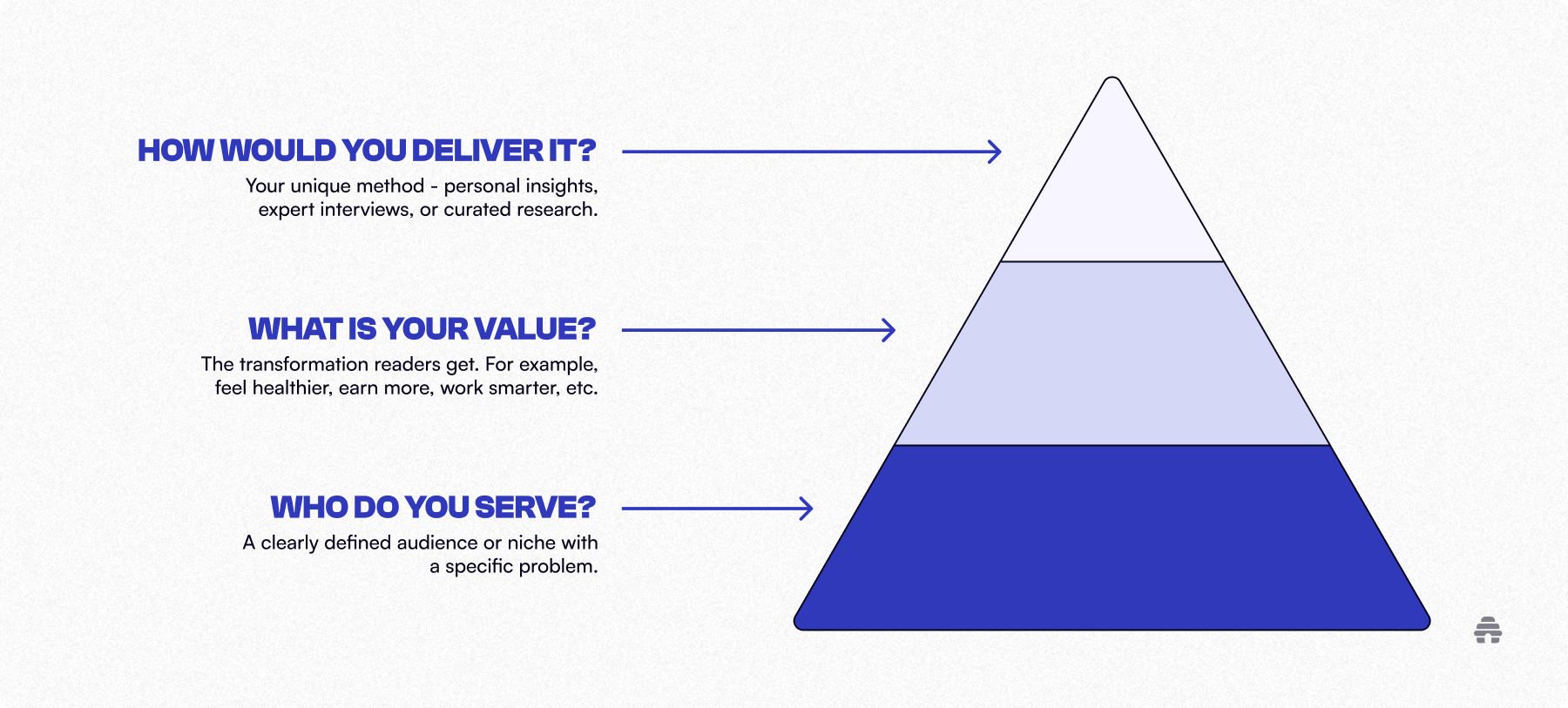
Identify a burning problem for your audience. Can you help them save time, earn more, or improve their work or life? Use personal experience, expert interviews, curated research, or your unique perspective to enrich your content.
For example, Dr. Jen Ashton helps women over 50 feel and look their best. Sunday Money helps readers grow their wealth. Status, Breaker Media, and Court Watch give media professionals exclusive reporting that improves their work.
There’s no shortcut to earning online. People need to know, like, and trust you before they’ll pay for what you offer. The best way to build that trust is by consistently sharing valuable free content.
As mentioned earlier, this starts with posting helpful tips, personal lessons, or industry insights on social media. Then, repurpose that content for your free newsletter.
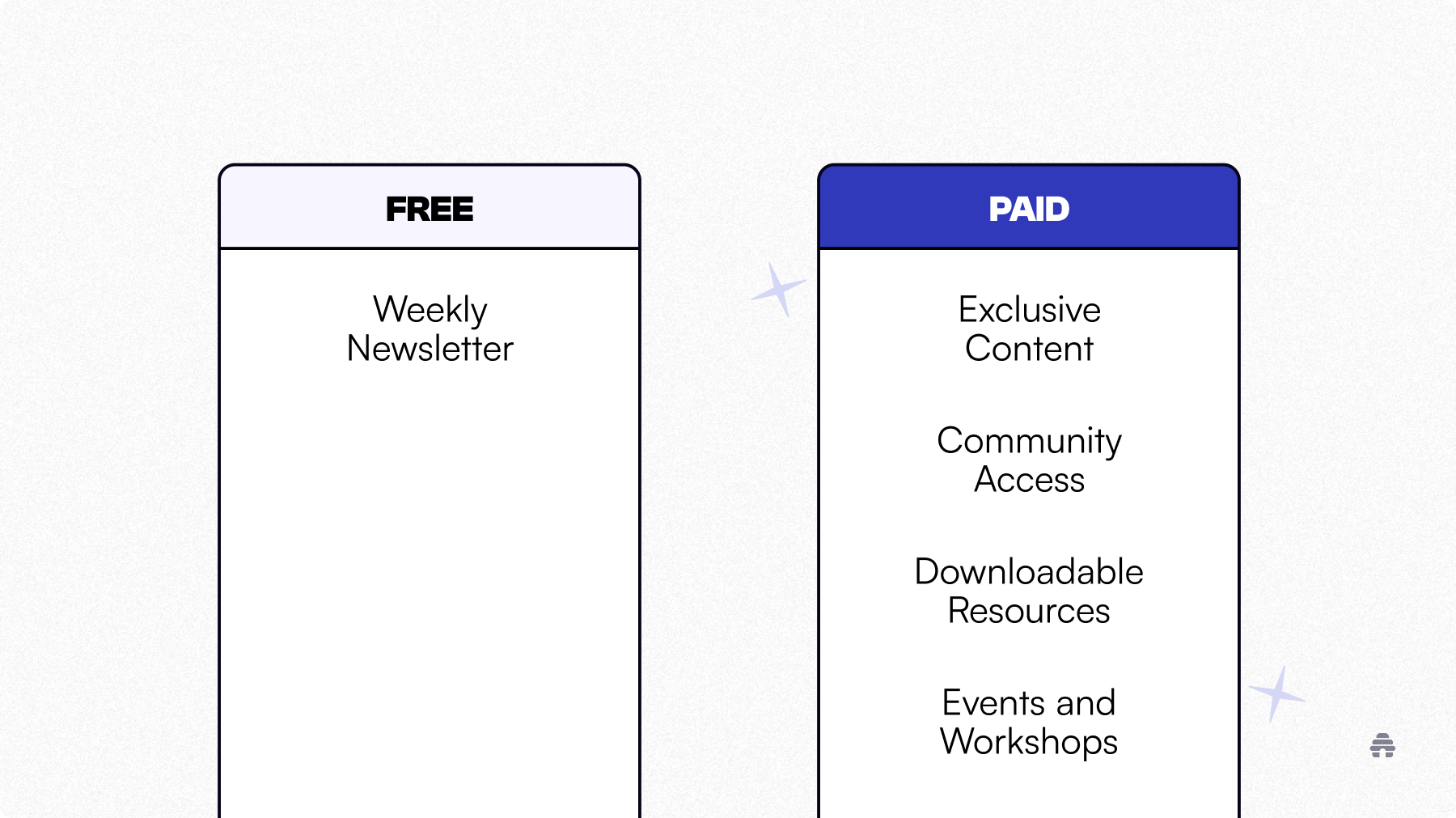
When your newsletter engagement starts to grow—through comments, questions, or replies—it might be time to explore a paid tier. You can also run a quick survey to gauge interest before launching.
Your paid newsletter business should offer something extra: exclusive content or access to bonuses like downloadable resources, community spaces, live events, or workshops.
That said, you don’t need to overcommit. Start small, and refine as you go. I’ve also seen some creators turn on paid subscriptions to let loyal readers support their work, without adding extra perks…you could try that too!
They Diversify Their Revenue Streams
While paid subscriptions are the main income source for most newsletters, successful creators don’t stop there. They look for additional ways to earn without relying solely on one stream.
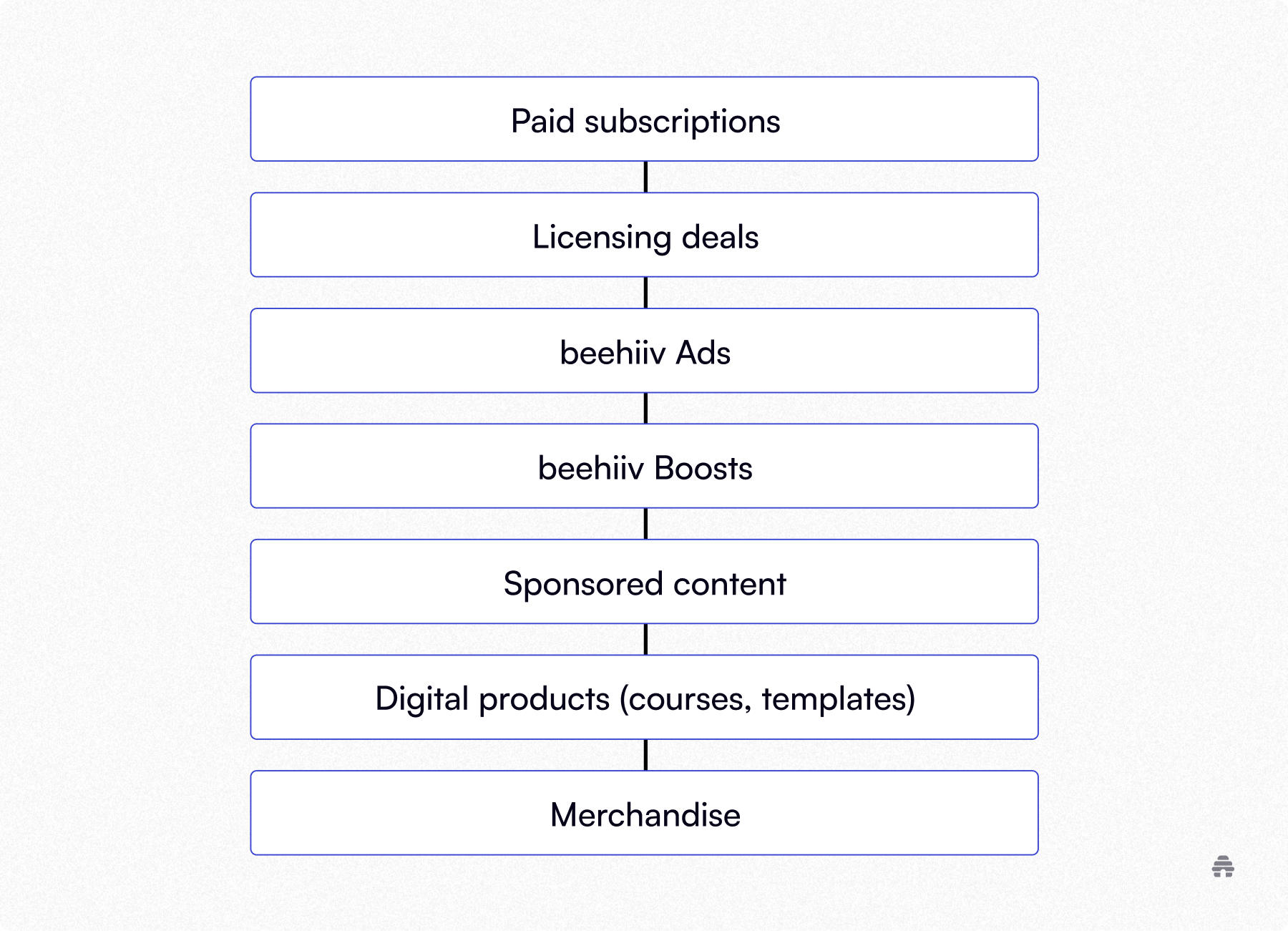
For example, Matt Brown pairs his paid newsletter with extra perks and licenses it to universities and sports programs. Although the sales cycle may be long, this strategy creates steady, long-term income.
If your newsletter serves a specific niche, consider whether institutions like schools, businesses, or training programs might find your content valuable and be willing to pay for bulk access.
You can also explore other earning options such as ads, sponsored content, digital products (like courses or templates), or even branded merchandise.
They Choose the Right Platform for Their Paid Newsletter
All the newsletters featured here are hosted on beehiiv, and it’s for good reason. These creators credit the platform for helping them build scalable, sustainable paid newsletters.
beehiiv is an all-in-one platform for creating websites and signup forms, publishing newsletters, and managing growth and earnings.
With its website builder, creators can design custom, conversion-optimized sites that reflect their brand. They can easily add About, Archive, Upgrade, and Contact pages, complete with signup forms and pop-ups to collect subscribers.
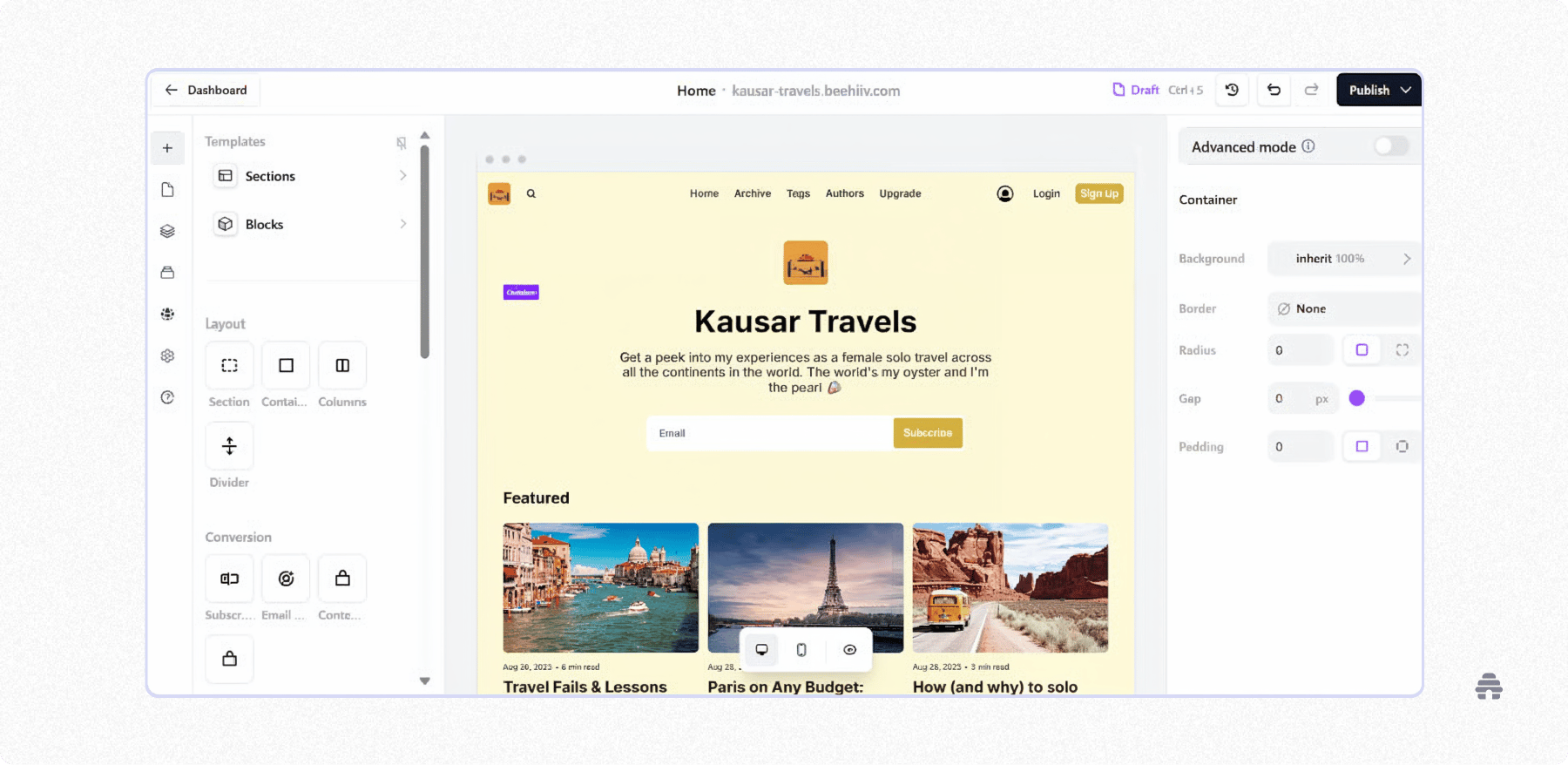
And with beehiiv’s intuitive editor, publishing feels seamless.
Creators can collaborate with editors directly on the platform, then easily send posts by email, publish them on their website, and decide whether each piece is free or paid.
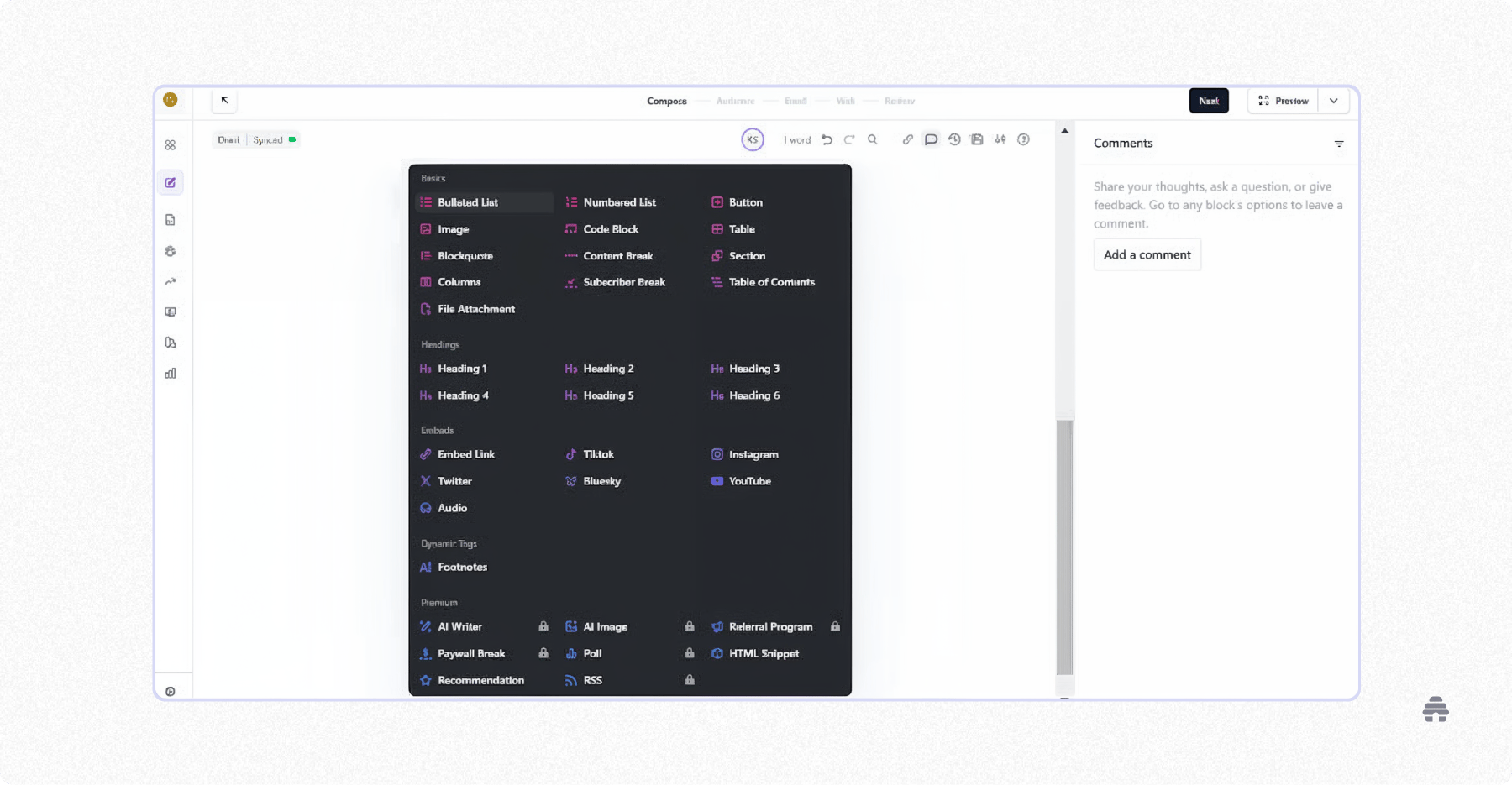
Growth is built into the platform through referral and recommendation tools, while earning options like paid subscriptions, beehiiv Ads, and beehiiv Boosts help diversify revenue.
beehiiv takes 0% of your revenue, so everything you earn stays yours.
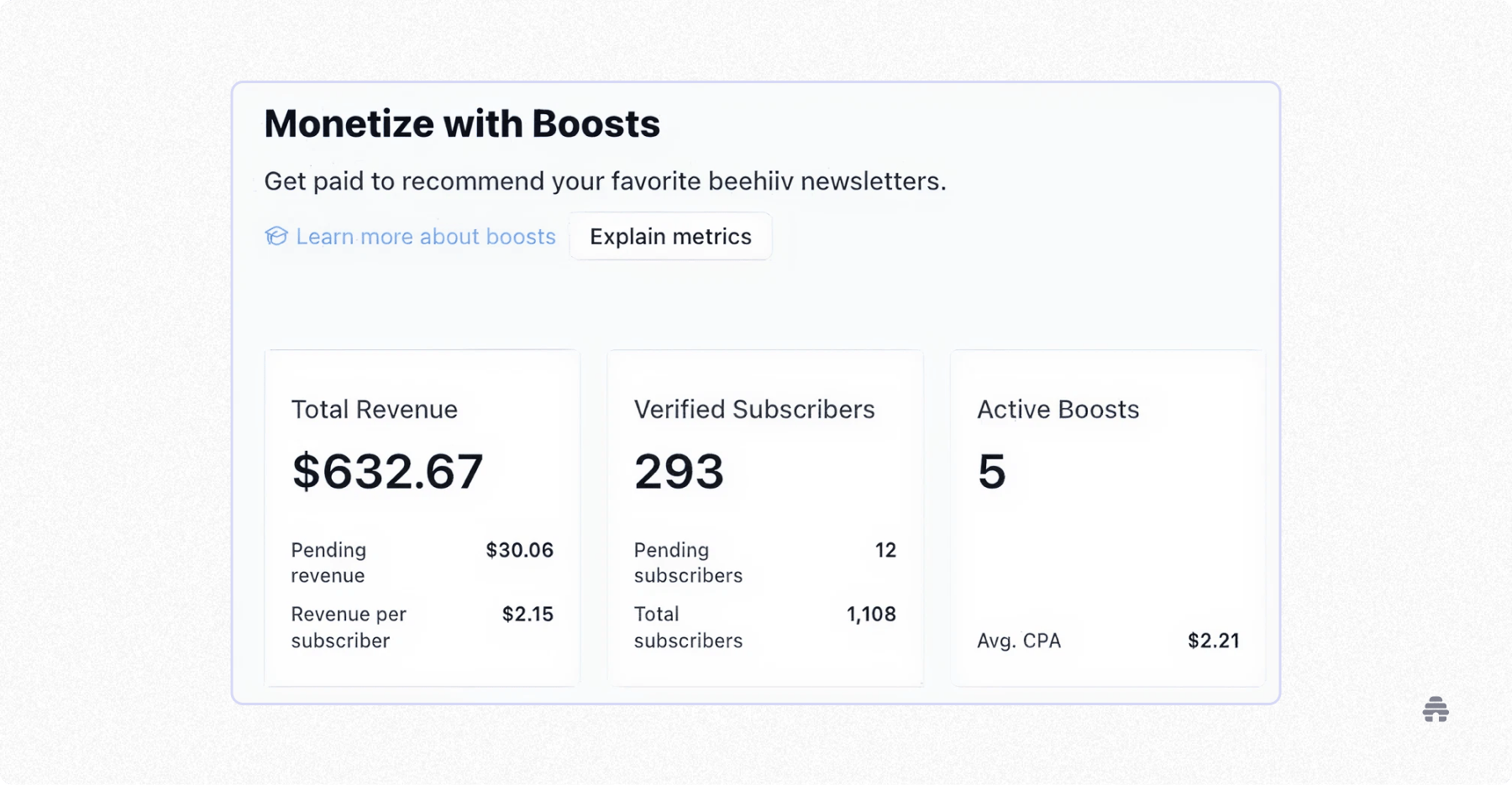
You also get access to an analytics dashboard to track performance across your website and emails, helping you refine your content, growth, and revenue strategies over time.
How I’m Thinking About Paid Newsletters for 2026
After studying multiple paid newsletter examples, I’ve learned that building an audience outside your newsletter is one of the best ways to grow quickly.
It’s equally important to be in a niche where readers see real value in paying for your insights, and to consistently deliver that value through both your free and paid content.
Above all, choose a platform like beehiiv that provides all the tools for growing your audience, managing subscriptions, and delivering both free and paid content seamlessly.
Launch your paid newsletter with beehiiv’s free trial today!

It’s a newsletter format used by James Clear, author of Atomic Habits. It includes 3 short ideas, 2 quotes, and 1 question for readers to reflect on. It works well because it’s simple, quick to read, and consistently delivers value.
What Content Works Best in Newsletters?
The best newsletter content is useful, unique, and actionable. It should help readers save time, earn more, or improve their lives. This could mean curating key insights, sharing personal lessons, or offering your own expert perspective on relevant topics.
What Are the Three Pillars of a Great Newsletter?
A great newsletter is built on clarity, connection, and consistency. Clarity ensures readers instantly understand what your newsletter offers and why it matters to them. Connection builds trust and loyalty through authentic insights and stories. Consistency (whether weekly, bi-weekly, or monthly) keeps readers engaged and always looking forward to hearing from you.
Related Articles